
FLOWERS – ORCHIDS IN COLOMBIA

We work with and recommend booking flights with www.kiwi.com
Orchids have captivated the human race since the Ming Dynasty in ancient China, during which time these amazing flowers were believed to cure almost any malady.
https://www.youtube.com/watch?v=Iq-md1XGKaM
The diversity of orchids in Colombia is truly astounding, with species thriving in the different climates and altitudes across the country. One of the largest families in the plant kingdom and considered among the most highly developed, orchids possess an aura of mystery, luxury and even elusiveness. From tiny, delicate blooms to large, imposing flowers, orchids come in a dazzling array of appearances, proportions and intensities.
Some orchids have intricate patterns and bold hues, while others are more subtle with pastel shades, making them all the more special. Orchids range from enormous plants like the vanilla orchid, from whence comes the costly vanilla pod, which clambers up trees to heights of more than five meters/16 feet, to the exquisite miniature orchids, which require high humidity and special care in cultivation.
Whether they are found in the tropical Amazon rainforest, the high-altitude Andean mountains or the coastal regions, Colombian orchids never fail to impress with their beauty and uniqueness.
The reason Colombia is so hyper-diverse is due largely to the montane areas including the Andean Cordillera. Such a mountain chain is the home of a diverse set of environments, including lowland dry forests, wet forests and cloud forests in addition to the high altitude paramos. Orchids are often highly specialized, meaning they grow in specific ecosystems, such as the high-altitude cloud forests or tropical rainforests and the destruction of these habitats can quickly wipe out entire populations.
Colombia’s landscape is as diverse as the flora and fauna that inhabit it, from tropical beaches to snow-capped mountains and everything in between. Habitat to more orchid species than anywhere else in the world, Colombia’s unparalleled biodiversity and vibrant culture are inspirational.
Most of the Colombian orchid species are epiphytes, plants that live on the bark of other trees. In fact, the cloud forests of the Nariño department in Western Colombia hold the world record for the highest number of epiphyte diversity in the world.
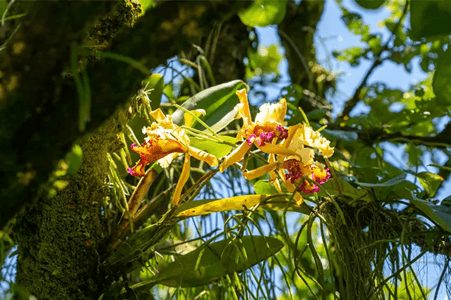
Colombia’s combination of lowland dry and wet forests, cloud forests and paramo (high-altitude savanna) have created a biodiversity hot spot with the country home to more than 274 genera and 4,270 species of orchid. Of these, around 1,572 species of orchids are endemic, unique and exclusive to Colombia. This vast array also reflects the incredible biodiversity of Colombia, one of the most species-rich countries in the world.
Orchids are not just beautiful plants as they play an essential role in the ecosystems they inhabit, attracting pollinators and contributing to the overall health of their environments. For orchid enthusiasts, Colombia is a true paradise, offering the chance to discover rare and exotic species that cannot be found anywhere else.
Ornamental, medicinal, edible, aromatic, aphrodisiac and ritual powers are some of the best-known applications for orchids since ancient times. In addition, they also play a key ecological role in the functioning of ecosystems.
The orchid is a seducer, like a mermaid, mysterious and portraying an irresistible beckoning. It is even seductive in its adaptation, as it deceives numerous insects into pollinating it.
During the time Charles Darwin was formulating his theory of evolution, he became so obsessed with orchids that he wrote an entire volume on the relationship between the orchid and its pollination.
For orchid enthusiasts, Colombia is a true paradise, offering the chance to discover rare and exotic species that do not thrive in other parts.
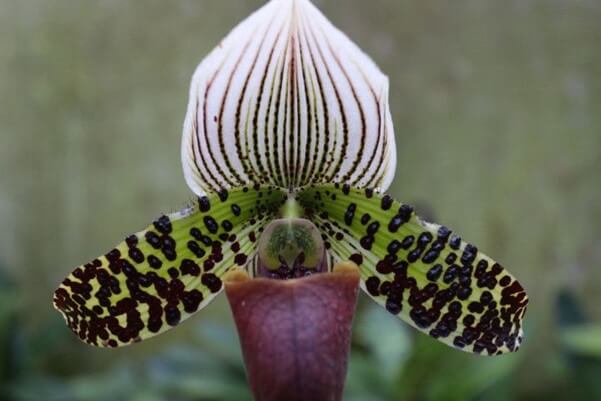 Begin organizing your dream Colombian getaway right away by using our Plan My Trip page!
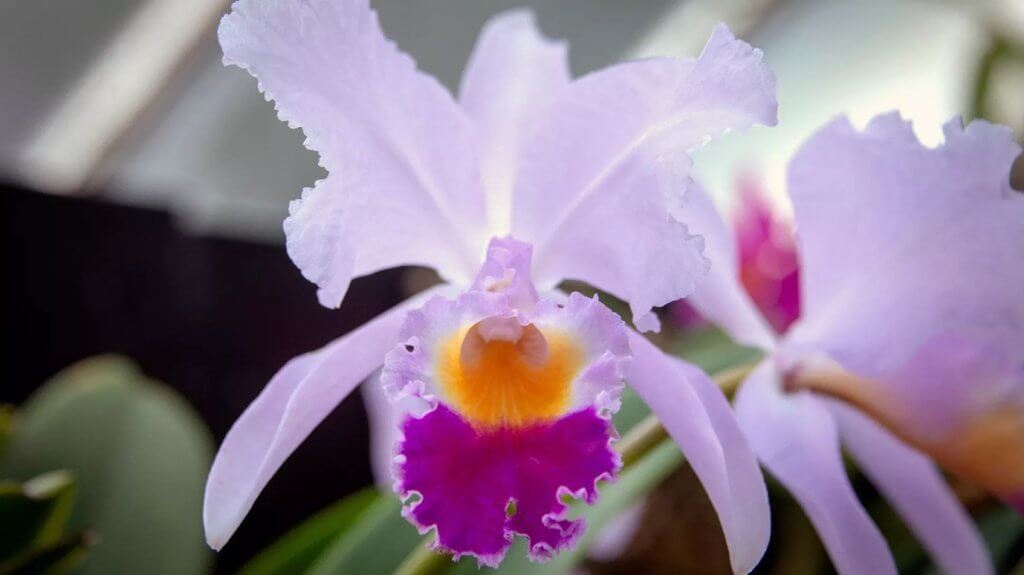
Hummingbirds, poison frogs and orchids all have a high ranking on the seemingly endless list of Colombian biodiversity. Travelers to Colombia will most likely recognize one particular orchid on their travels from the lowlands to the highlands. Colombia’s much-photographed national flower, the cattleya trinae, is even today readily sustained in the farms of the foothills of the Andes.
This orchid, cattleya trianae, has been Colombia’s national flower since 1834 as its colours closely match those of the Colombian flag. With worldwide demand for this rarefied species, the orchid, which still grows naturally in its indigenous environment, began to be uniquely cultivated within the rainforests of the Andes Mountains.
The flower’s blooming date and beautiful floral, spicy scent rapidly made it a symbol of winter and Christmas. The colors of its beloved blooms pass through a spectrum of pastels that endure for up to five weeks.
The high diversity of orchids found in Colombia is attributed to the great variety of habitats generated by Colombia’s fragmented and discontinuous topography, which gives rise to strong altitudinal and climatic gradients.
As incredible as it may seem, in Colombia it is possible to encounter trees that support more orchid species than an entire forest might do in a country with distinct seasons.
https://www.youtube.com/watch?v=peofyJ6Jjmk
In Colombia, 37% of the country’s total orchid species are endemic. Most of these are distributed in very few genera, as about half belong to only five genera.
The Andean region is the area with the highest number of endemic orchid species in the country with a total of 944, representing 78% of the endemic species registered for Colombia.
It is followed by the Pacific region with 98, while the Orinoco has the fewest orchids native to Colombia with 15 species.
https://www.youtube.com/watch?v=8LFFf9yrpB0
Many species of Colombian orchids are endangered. While Colombia is blessed with an incredible diversity of orchids and more than 4,000 species, their survival is threatened by several diverse factors.
Interestingly, the seeds can also withstand long periods of freezing and drought without losing their germination capacity.
Orchid populations in Colombia face challenges from habitat destruction, illegal collection and climate change, which have put many species at risk of extinction.
One of the primary reasons for the endangerment of Colombian orchids is deforestation. Large portions of Colombia’s forests, especially in the Amazon and Andean regions are being cleared for agriculture, mining and urban development.
This habitat loss directly affects the orchids, as many species rely on particular environmental conditions to survive.
Orchids are often highly specialized, meaning they grow in specific ecosystems, such as high-altitude cloud forests or tropical rainforests and the destruction of these habitats can quickly wipe out entire populations. Orchids can live up to 100 years and bloom three to six months out of the year depending on the type.
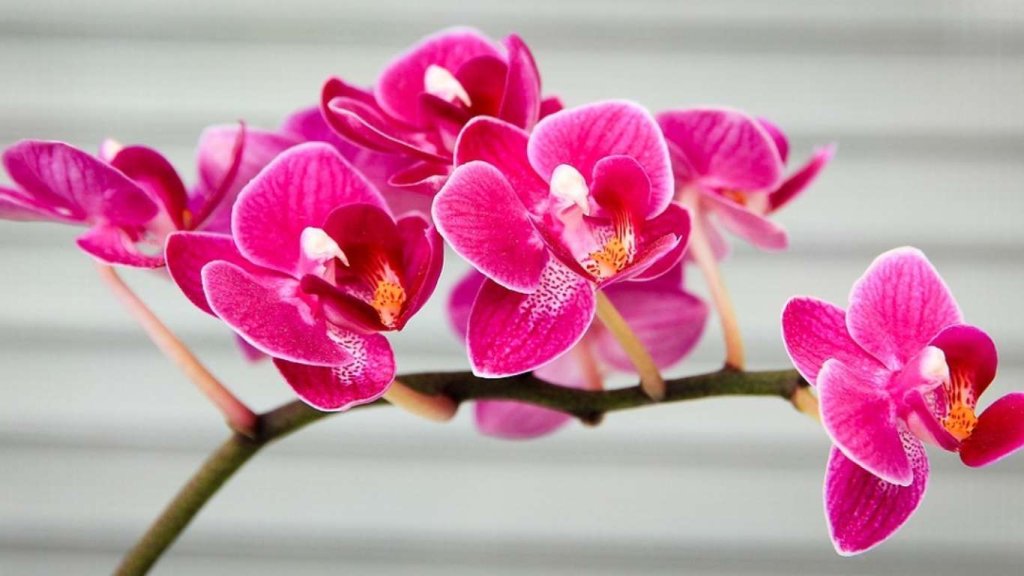
Take the first step in planning your dream Colombian vacation by using our Plan My Trip page now!
Orchids are one of the most wonderful and diverse ornamental angiosperms (flowering plants). However, their vegetative phases can be excessively long, rendering them superfluous in the floral-cut global market.
There is any amount of money in the orchid business. Gram for gram, rare orchids are worth even more than gold worldwide. It is estimated that orchid trafficking globally is now more than US$6 billion. One widely circulated anecdote notes that a rare Kovachii orchid, plucked from the Amazonian wilderness has been valued at over US$25,000.
International orchid trafficking is similar to other wildlife crimes in that it does not function solely by itself. Most often it is embodied with other criminal networks such as arms and drug trafficking, all of which use the same trade routes to smuggle items across international borders. This is the same approach as when the Colombian flower market was hijacked to smuggle cocaine into the US in the 1990s.
For orchid enthusiasts, Colombia is a true paradise, offering the chance to discover rare and exotic species that cannot be found anywhere else.
Colombia is graced with a robust National Park Service that has forty-two parks that support 819 orchid species. This represents just over a quarter of the total of all registered parks in the country.
These National Natural Parks sustain the greatest representation of the total endemic and threatened species of orchids found in Colombia:
National Park Las Orquídeas, Antioquia
Tatamá, Risaralda
Los Farallones de Cali, Valle del Cauca
Puracé, Cauca
Chingaza, Cundinamarca
Munchique, Cauca.
The departments with the greatest number of orchid species are Antioquia, Chocó, Cundinamarca, Cauca and Valle del Cauca.
Like to create or customize a fantastico package tour of Colombia? Use our Plan My Trip page to start planning your dream Colombian vacation now!