
FLOWERS OF COLOMBIA INTRODUCTION
Cut flower production has a long and distinguished history. Roses, carnations and chrysanthemums have been cultivated for centuries in many parts of the world. In the 1600s and 1700 formal cut flower production became established in The Netherlands with the development of greenhouses, where spring flowers were brought into bloom early in the winter.
The development of air transport and refrigerated trucks greatly accelerated the concentration of the cut flower industry and allowed it to move to areas with the best climates for optimum production and lower production costs.
Cut flowers could be imported from other countries because cut stems did not have roots or soil, which had restricted the import of other floriculture crops like potted plants. In the mid-1960s, the first carnation production started in Bogotá, Colombia.
The industry rapidly increased thanks to the excellent climatic conditions – high light, moderate temperatures and very low production costs, especially labor and heat. The production of chrysanthemums and roses followed in later years.
Indeed, other countries followed suit, especially Ecuador, but none have been as successful as Colombia. Today, the majority of all three species sold in the United States are imported.
The impressive breadth of flowers grown in Colombia is in some measure due to the country’s unique landscapes. The countryside surrounding the city of Facatativá, outside of Bogotá, is home to copious flower nurseries.
This area, being on a high savanna plain in the shadow of the Andes mountains, makes it ideal for flower growing. More than 73% of Colombia’s floral production takes place here, while further away in Antioquia the locality around Medellín accounts for an additional 24%.
The fertility of the land, the purity of the Andean water and the bright tropical sun infuse every flower. Then carefully cultivated with expert hands, a multitude of vibrant colours emerge in all their glory.
The Colombian flower-growing industry took its first tentative steps as a worldwide exporter, breaking into the U.S. market over four decades ago with carnations. They were joined a few years later by roses, which now surpass all species of flowers.
Today, the assortment of this flourishing sector embraces over fifty species of flowers and innumerable other varieties that undergo constant rebirth to meet new and evolving trends and consumer tastes.
Spurred on by the dynamics of markets in countries spread across several continents, breeders develop novel varieties and perfect classics that have enjoyed timely acceptance among specific niche clients.
Colombia is today the second largest exporter of flowers in the world, after The Netherlands. Cut flowers are now one of the country’s most important exports alongside coffee, petroleum, coal and precious materials such as emeralds.
We work with and recommend booking flights with www.kiwi.com
Roses, carnations, alstroemerias, hydrangeas and chrysanthemums are among the most important exported Colombian flowers. Approximately 7,000 hectares/17,297 acres are utilized for flower production. Many of the nurseries are over 50 hectares/124 acres and most are still family-owned and operated companies.
They are well-run, aware of the market’s needs, and use good up to date equipment and modern production and logistic methods. Colombian flower farms contribute significantly to the economy and are at the forefront of sustainability and community development. The industry’s dedication to eco-friendly practices and reducing carbon footprints is notable.
One of the most interesting things about Colombia is the incredible diversity of its climate. Positioned on the Equator, Colombia enjoys twelve hours of daylight all year round. This provides a constant and reliable source of natural illumination, so important in the growth of any flora. Also, on the high altitude savanna, there are the perfect moderate temperatures of between 70f/22c and 50f/10c daily, for the utopian development of plant life.
High altitude also increases the ideal flower growing environment as it is this temperate climate that keeps the flower production in full swing all year round.
There are thousands of flowers in Colombia but three stand head and shoulders above the others – roses, carnations and orchids.
Roses are of course by far and away the country’s most popular and most productive. Indeed, on one farm alone, there are at least thirty different colors and varieties. Colombians are very susceptible to the color of their roses with red ones for a display of love, white for any bride-to-be and yellow ones arranged on the graves of departed loved ones.

Begin organizing your dream Colombian getaway right away by using our Plan My Trip page!
Colombian carnations are considered the best in the world for their quality, beauty and longevity. If you live in the US and have worn a carnation in your buttonhole at a wedding or similar occasion, the chances are that it originated in Colombia.
Orchids, of course, are far more of a specialist flower, desired by collectors and enthusiasts across the globe.
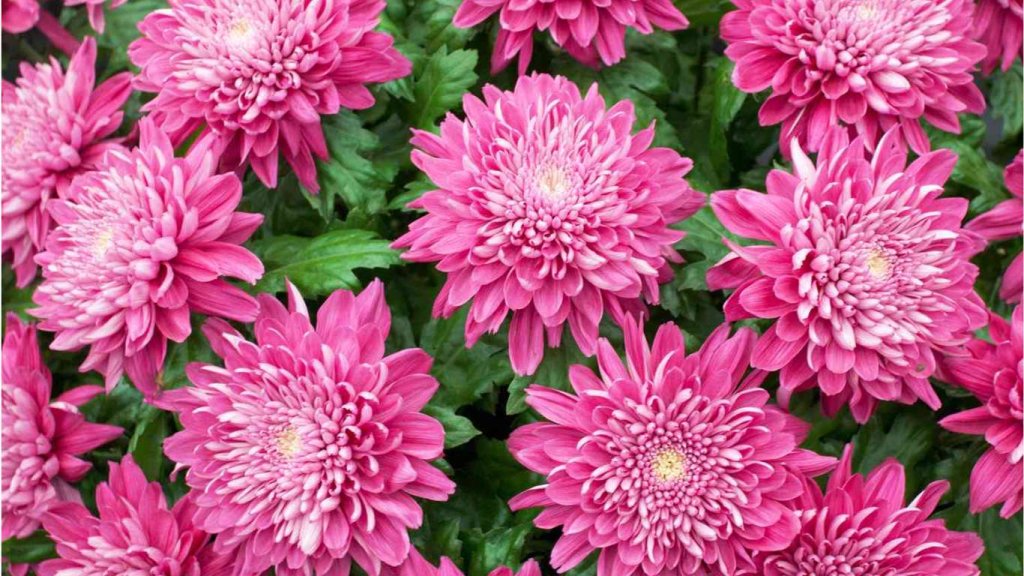
Colombia has the largest number of orchids in the world, with more than 4,000 different species and 1,543 that are endemic – only found in the country. Besides these big three, Colombia is also beloved for other blooms including chrysanthemums, lilies and Michaelmas daisies.

Colombia has thus become one of the world’s top flower producers, exporting flowers worth more than US$1 billion every year and the industry is growing.
In 2003, 55% of all cut flowers imported into the United States came from Colombia. Ten years later that figure had ballooned to 65% and indeed it now exceeds 70%.
One of the chief reasons Colombia exports so many flowers to the US is because it is geographically convenient. Bogotá is a mere couple of hours away from Miami, whose airport processes 187,000 tons of fresh-picked flowers every year. These are then dispatched all over the country.
That is a large number of blooms and there is in addition always a tremendous surge before the important festivals of Valentine’s Day and Mother’s Day.
Should you be in Colombia, there are many parks and gardens devoted to the wonderful array of flowers found in the country.
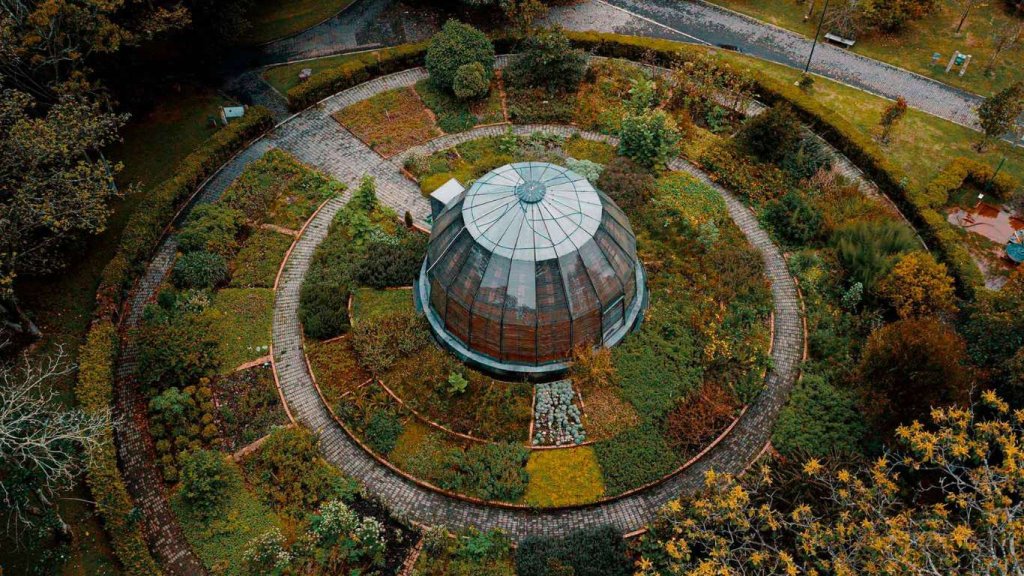
Jose Celestino Mutis Botanical Gardens in Bogotá, which is both a research and recreation center, features plants from every Colombian altitude, climate and region, where they also focus on Andean and Paramo eco-systems.
Medellín’s Botanical Gardens are much-celebrated worldwide, with 4,500 flowers and a huge Orchidarium. The city holds its famous Flower Festival every August.
Even far down in the Amazon rainforest, you will find centers dedicated to the famous Victoria Amazonica, one of the world’s largest water lilies.
The Colombian flower industry, characterized by its ongoing innovation and market exploration, receives support from the government. This support, in conjunction with the industry’s adaptability and business approaches, contributes significantly to Colombia’s role in the global flower market. The industry’s initiatives include focusing on women’s empowerment and sustainability practices.
The flower industry is a very labor-intensive endeavor. To cultivate 1 hectare/2.5 acres of flower-growing land, about 15 workers are required. In Colombia, flower fincas (farms) directly employ about 130,000 people, 65% of whom are women, many who are single mothers. The country’s flower industry provides 25% of agricultural jobs for women.
Like to create or customize a fantastico package tour of Colombia? Use our Plan My Trip page to start planning your dream Colombian vacation now!