
BIRDS – ENDEMIC EJE CAFETERO
Bird watching Eje Cafetero
Risaralda, one of the three departments comprising Eje Cafetero, represents 42% of Colombia’s bird population and has nearly 800 different species.
Pereira, the capital, is one of the world’s top one hundred biodiverse sites.
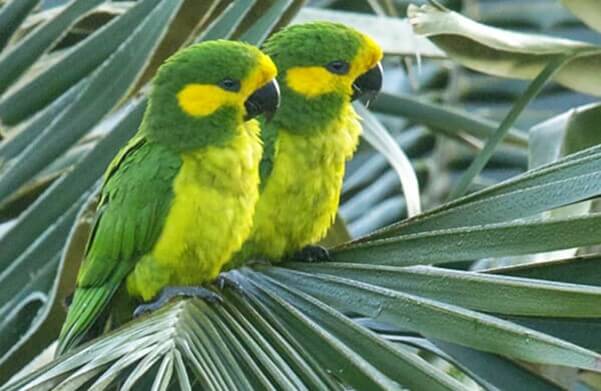
The Andean Condor, Big Diver Duck, Parakeet Paramuno, which is endangered, are all found within the region. Endemic to Colombia, the rare and likewise endangered Yellow-eared Parrot can only be seen in a handful of spots in all of Colombia and is mostly seen within Eje Cafetero. The species prefers to nest in the wax palms, also endemic to the area.
Within Pereira and influenced by the Consota River, the Botanical Gardens of the Technological University of Pereira, UTP, has a forest of significant importance for the flora and fauna of the area.
It is a research centre that focuses on conservation and environmental education and tourism. There are observation stations with bridges that allow for easier access to the wetlands.
Colombia has more than nineteen hundred species of birds, of which about eight hundred reside in the geographical area of Eje Cafetero.
Fifty of them are endemic, meaning they are unique to this area and have such utopian names as the Cacique Candela, Yellow-eared Parrot and Periquito de los Nevados
Birds of Eje Cafetero
Birds have a unique mission within the ecosystems they inhabit, as they not only seduce and enchant with their plumage and songs, but they are also responsible for pest control, pollination and seed dispersal throughout their territory.
Colombia is one of the most biodiverse countries on the planet, with a massive variety of species that dwarfs not just the temperate regions, but also other tropical countries. With more than 1,900 species of birds in Colombia, it is the richest country for bird species on Earth.
Colombia has 79 endemic species of birds, with more than half of them being considered species of conservation concern. This enormous biodiversity stems from the fact that Colombia is tropical, yet it also has immense elevation changes due to the magnitude of the Andes.
They are split into three ranges, which increase habitat diversity, as well as creating rain shadow valleys between the mountains. The country also has coasts on both the Pacific Ocean and the Caribbean, so with all of these different habitats, it is no surprise that Colombia is the country with the most birds in the world.
The Central Andes and Eje Cafetero (Coffee Area) have an important cultural, historical and economic role in Colombia, birders being the vanguard, going where others have yet to discover.
Principal Destinations for Bird Watching in the Eje Cafetero
Manizales has about eighty species of birds that can be spotted within the city itself.
Most beautiful birds of Manizales
Cerro Montezuma, Tatamá Natural Park, located just over three hours from the city of Armenia, is considered one of the best in the world for ornithologists.
As a result of its geographical location, it is a refuge for various animal and plant species, a haven for twelve endemic bird species and thirty-five that are shared with Ecuador. This untouched páramo is a protected area and a refuge for the famous tanagers.
Río Blanco Natural Reserve is located half an hour from Manizales. With an altitude ranging from 2,200m/7,218ft to 3,800m/12,467ft it consists of forests with four hundred species of birds.
The peculiarity of this place is that it is a paradise for hummingbirds of all types, including endemics.
This is a reserve with a habitat that is absolutely wonderful for naturalists and birders. Río Blanco is high enough that it contains montane forests, moist and luxurious, with a mix of species entirely different from the lower elevations.
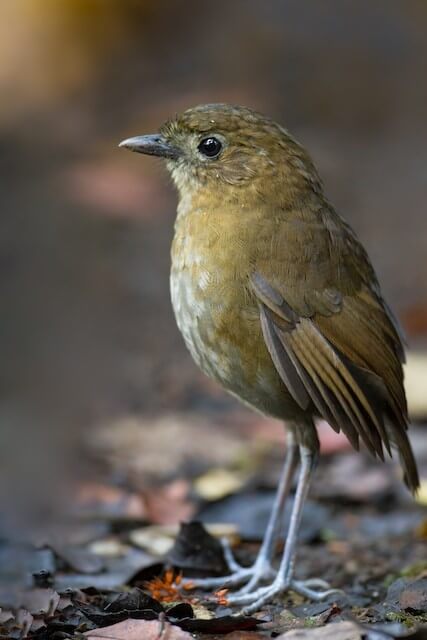
What makes Río Blanco unique is that there are Antpittas in residence.
Nine species have been recorded here. These birds are of course very difficult to see, skulkers that walk on the forest floor and which are generally heard, but not seen. What makes Río Blanco special is the fact that here you can see them.
The birds vary in how difficult they are to see, while four species come regularly, including the endemic Brown-banded Antpitta, Chestnut-crowned, as well as the Bicolored and Slate-crowned antpittas.
The ability to see this many Antpitta species in one morning is unrivalled.
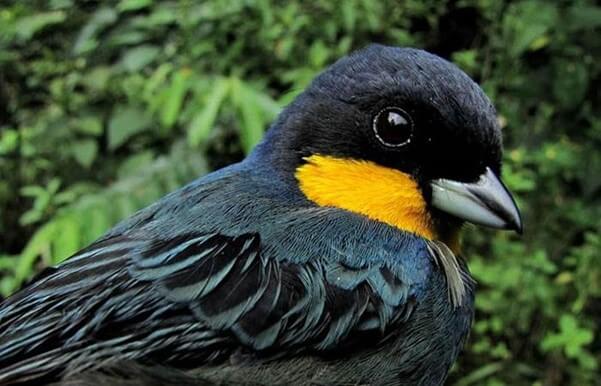
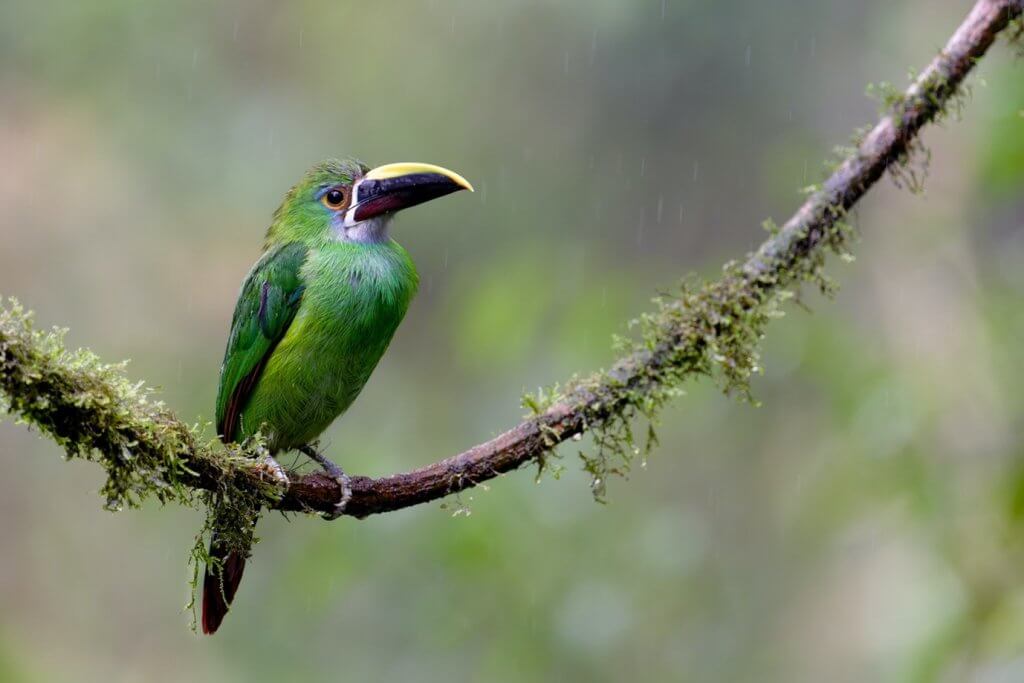
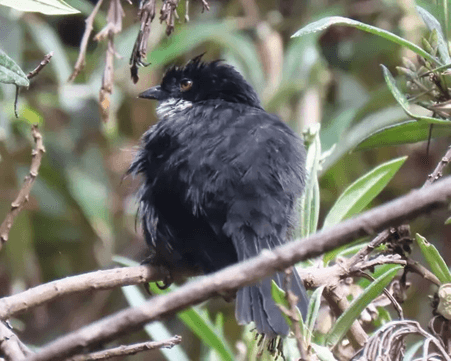
Río Blanco’s montane forests also have many other wonderful species including the White-crowned Tanager, an odd, large tanager, along with some stunning or hard-to find birds. These include the Blackbilled Mountain-Toucan, Rusty-faced Parrot, Golden-plumed Parakeet, Streak-headed Antbird, Ocellated Tapaculo, Strong-billed Woodcreeper, Dusky Piha, Black-collared Jay and Masked Saltator.
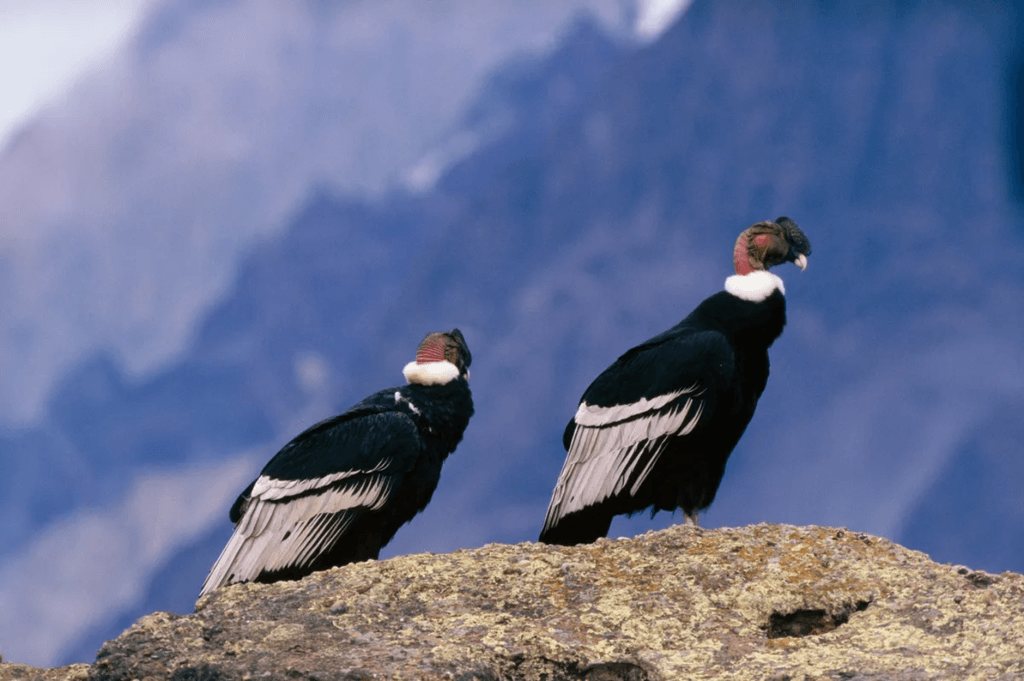
Los Nevados National Natural Park is of course the preferred habitat of the Andean Condor.
Andean condor
The park is home to voluminous parakeets and ducks, it also hosts numerous species of hummingbirds. There are different trails to choose from, many of which are physically demanding.
This is a great opportunity to visit the páramo, a high elevation habitat of grass, cushion plants and unique vegetation found only at very high elevations.
Los Nevados National Park is indeed a high elevation park, largely above the tree line and is very extensive.
This region is also adjacent to montane forests at slightly lower elevation, such as the road that goes through the Bosques Reserve on the way down to Manizales.
The park is wild and even the Spectacled Bear lives here, although one would have to be very lucky to see a bear.
The local birds are high elevation-specialties, including the endemic and extremely charismatic Buffy Helmetcrest. This long-tailed hummingbird with a peaked crest is not only a rare and range-restricted bird, but also a habitat specialist.
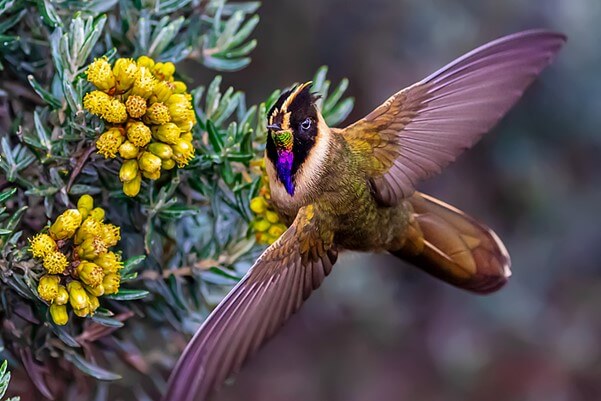
It is found in páramo rich with frailejones, plants which are strange, very large, hairy-leaved that are only found in well-preserved páramo habitats.
Up at these lofty elevations may be seen are the Stout-billed Cinclodes, Many-striped Canastero, Andean TitSpinetail, Veridian Metaltail, Black-chested Buzzard-Eagle, Plain-capped GroundTyrant, Andean Teal, Páramo Tapaculo and one of the easiest antpittas to find, the Tawny Antpitta.
If you are lucky, an Andean Condor may sail by.
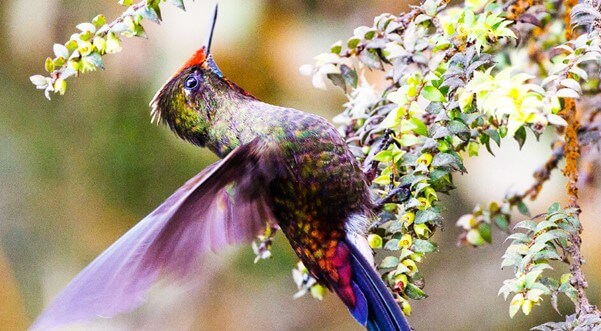
One of the highlights of this region is the hummingbird feeders at Termales del Ruiz hotel. These are chock full of activity.
The star is the Rainbow-bearded Thornbill, while the rare Black-thighed Puffleg is a frequent visitor to the feeders here.
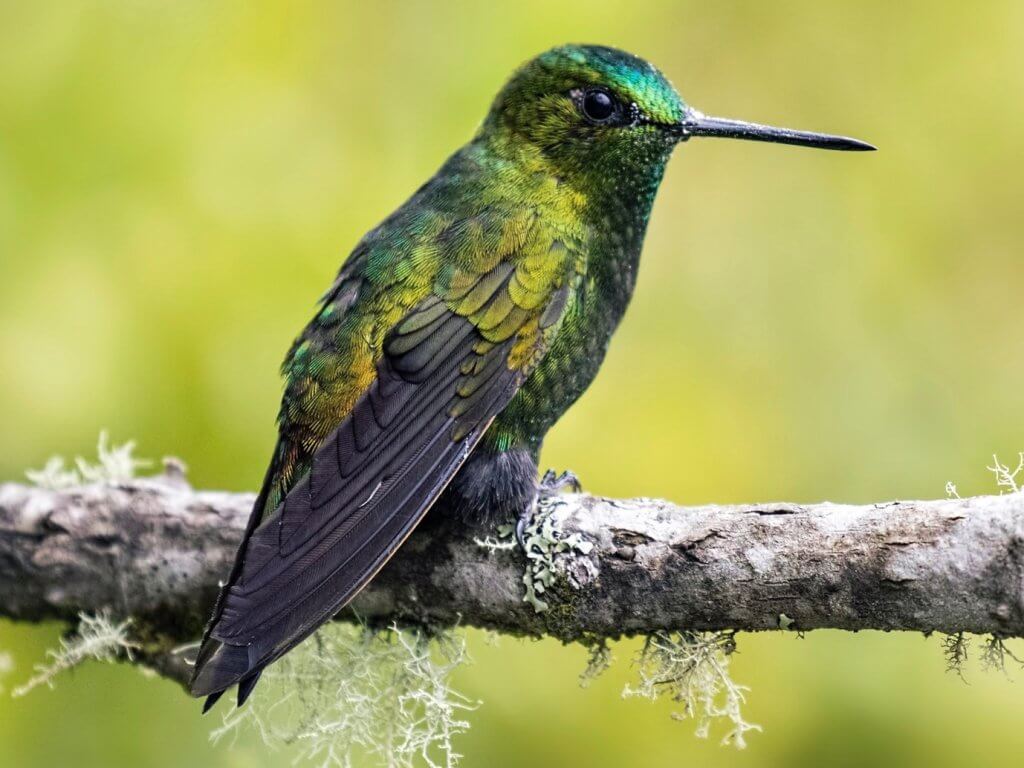
The supporting cast is also beautiful and numerous with Tourmaline Sunangel, Buff-winged Starfrontlet, Collared Inca, Mountain Velvetbreast, Great Sapphirewing, and Shining Sunbeam.
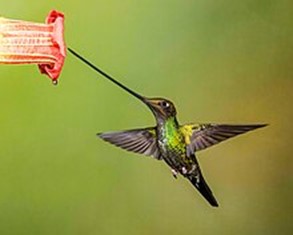
Perhaps not as vivid in colour as its relatives, one hummingbird stands out for its bill. The Sword-billed hummingbird has the longest bill length relative to its body of any living bird.
The high elevation forests here also may provide Dusky Piha, the gorgeous Crimson-mantled Woodpecker, Golden-plumed Parakeet and maybe mixed forest flocks with Black-capped Tyrannulet, White-banded Tyrannulet, Black-crested Warbler, Lacrimose and Scarlet-bellied mountain-tanagers, Golden-crowned Tanager, Blue-backed Conebill and perhaps the rare prize of a Black-backed Bush-Tanager.
JARDÍN BOTÁNICO DEL QUINDÍO found very close to the city of Armenia, this enclave of wonderful habitat is essentially within earshot of the highway, but when you are at the Jardín Botánico, you might as well be in the middle of the jungle.
With a wild forest landscape, the Botanical Garden is at an altitude of 1,490m/4,88ft, with a humid climate.
It has the most important national collection of Colombian palms, numerous types of ferns and beautiful heliconias.
The park itself is large enough that several hours of walking and observing can be spent here seeing interesting birds and when one is finished observing the birds, visiting the Mariposario (butterfly farm) is an amazing experience and well worth doing.
More than 160 species of birds have been found in the Jardin Botánico, including some rare, endemic or difficult to see species. They have also set up bird feeding stations that teem with hummingbirds and tanagers, as well as an observation hide that allows for close up views of some of the species that visit.
Hummingbirds found here include White-necked Jacobin, Green Hermit, Black-throated Mango, Western Emerald, Steely-vented and Rufous-tailed hummingbird.
At the fruit feeders, you may find the Blue-grey and Palm tanagers, Green Honeycreeper, Scrub Tanager and the colourful Blue-necked and Bay-headed tanagers.
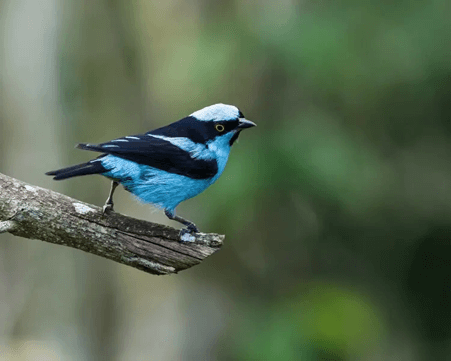
In the forest are a large variety of birds of interest, while in the canopy, the range-restricted and endemic Turquoise Dacnis can be found. The male is a beautiful sky-blue bird with a black mask and bright yellow eyes.
Blue-headed Parrots can be seen flying overhead and on the forest floor, the Black-billed Thrush is common and it may share the area with the seldom seen but commonly heard Scaled Antpitta.
Finca la Romelia is considered a first class location by birders who also are looking for different cultural experiences.
It is a relaxing place, where the owners make you feel like one of the family.
The house, furniture and gardens are set up to give visitors a fantastic experience. The various orchids that adorn the entire house are a treat.
There are various trails along the orange groves and forest edge, while a spectacular breakfast awaits you in the middle of your trip through the groves.
Birding guides, also knowledgeable in orchids, are ready to take you to the various spots on the trail best for viewing. They have found 188 species of birds here, including many hummingbirds, gems such as White-necked Jacobin, Green Hermit, Black-throated Mango, Western Emerald, Steely-vented and Rufous-tailed hummingbird.
In the orange trees you may find the Orange-bellied Euphonia. In the Guadua (bamboo) thickets it is possible to locate the Speckle-breasted Wren and the Jet Antbird.
Otún Quimbaya is a Flora and Fauna Sanctuary that is connected to Los Nevados National Park.
It spans a good elevational range of 1600 – 2,200m/5,250 – 7,218ft and the farther you go up the trail, the more there is to see.
Less than an hour from Pereira, this is a superb destination and is a great spot for birding. What you see depends on what elevation you decide to bird, along the access road.
There are 250 species of birds in the Otún Quimbaya Sanctuary. One of the most noticeable in the reserve at times is the Cauca Guan.
Like to create or customize a fantastico package tour of Colombia? Use our Plan My Trip page to start planning your dream Colombian vacation now!