
BIRDS – MIGRATORY
“Bird migration is the world’s only true unifying natural phenomenon, stitching the continents together in a way that even the great weather systems fail to do.”
(Scott Weidensaul)
 We work with and recommend booking flights with www.kiwi.com
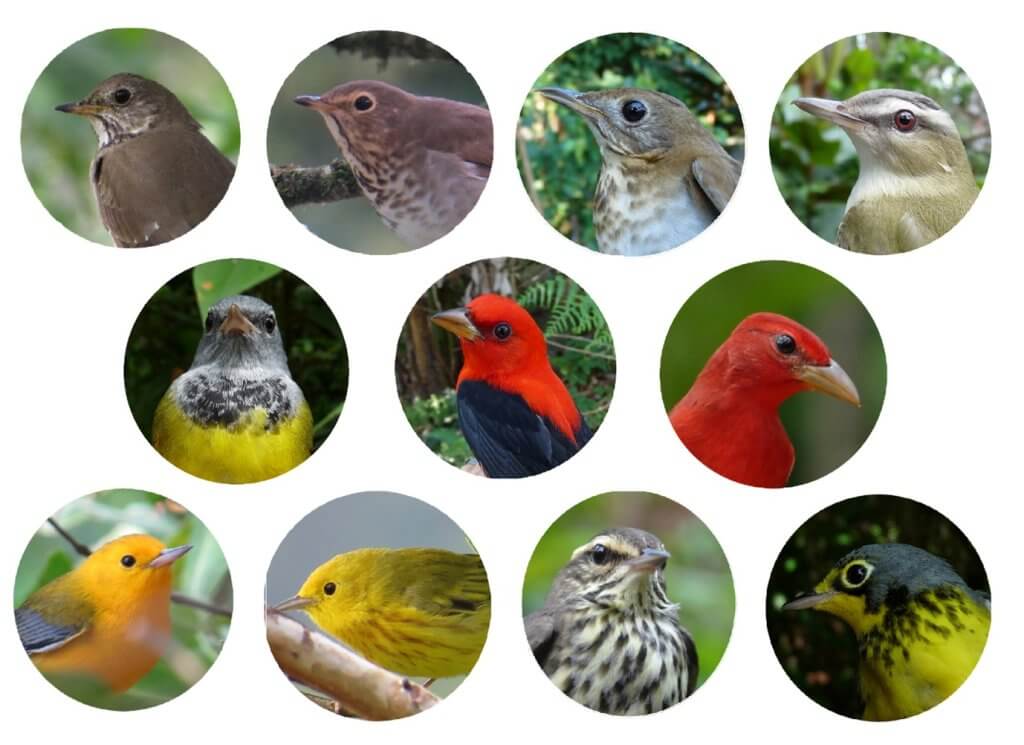
Neotropical migrants are found in the Darien of Northern Colombia. Annually, millions of birds migrate between wintering grounds in Central and South America and breeding sites in North America, requiring many stops along the way given the long flights.
Every October, Colombian skies fill with migrating sparrowhawks and falcons seeking warmer weather. While not all birds migrate, those that do typically follow north-south routes between breeding and wintering grounds, with many species traveling from North America to Colombia, Ecuador, Peru, and Argentina.
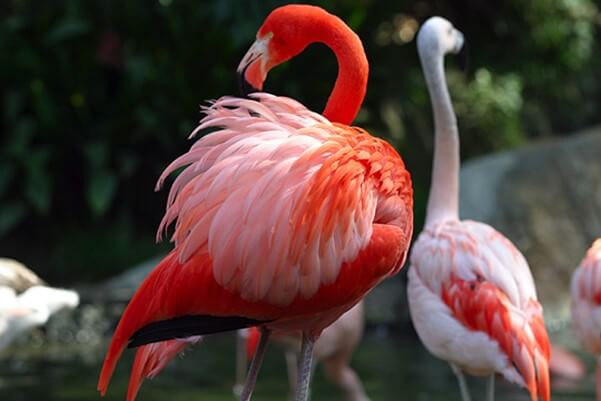 Migratory Flamingos, Parque Natural Los Flamencos, La Guajira
Colombia lies at the crossroads of the distribution of South and North American species. It is also a stopover place for many North American migrants, including many shorebirds.
Colombia is home to over 1,900 species of birds, more than any other country in the world. Many of these species migrate, staying in the country briefly before moving north or south. The high mountains create diverse habitats, fostering the evolution of many species, including Colombia’s unique endemics. This makes it a key link in migration, providing a vital habitat for hundreds of birds crossing the Americas.
Birds thrive in Colombia for many of the same reasons tourists seem to: the climate, the year-round access to fresh fruit, flowers, and the incredibly diverse range of landscapes within a small geographic area.
Nearly 183 species of neotropical migrants arrive each year in Colombia and from there spread throughout the South American continent which is why Colombia plays a fundamental role as a resting place for migratory birds coming from the US and Canada. They depend on the ecosystems as places to spend the winter, or as stopovers on their journey south. This, in turn, makes conservation efforts in Colombia absolutely crucial for these species.
When the Andes Mountain range reaches southern Colombia, it splits into three branches, slicing the country up into an astounding number of distinct geographic zones, each one supplying a richness of unique ecosystems.
More than 70 species of migratory birds travel from North America to Colombia, many to the Caldas region to spend the winter, including the Yellow Billed Cuckoo and the Red Eyed Vireo. The Central Andes is a very important area for migratory birds.
Migratory raptors face a challenging journey year after year. Most of these birds nest in the continent’s north and begin their migration before winter, spending that time in warmer places in Central and South America.
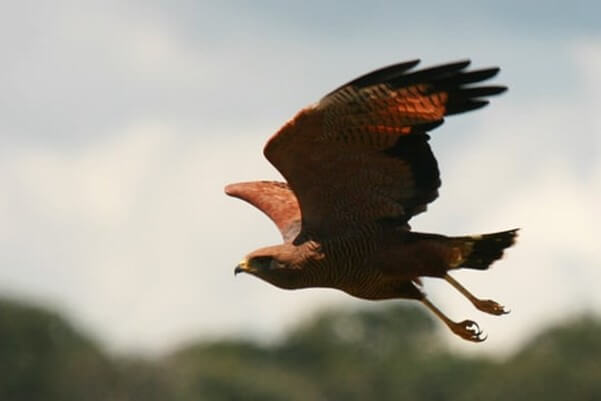 Harpy eagle
Begin organizing your dream Colombian getaway right away by using our Plan My Trip page!
Colombia supports some of the world’s fiercest birds of prey, including the harpy eagle, one of the largest and most powerful raptors in the Americas, which prefers low-lying forests along with its counterpart, the crested eagle. The country also hosts dozens of hawk species, from the striking white hawk in the Amazon to the savannah hawk on the eastern llanos plains.
As a crucial part of raptor migration routes, Colombia serves as both a strategic stopover and wintering site. These birds visit twice annually: first during their southbound fall migration (September-November), then again during their northbound spring migration (mid-February to April).
During fall migration, seasonal raptors enter South America through northwestern Colombia’s Darien region, the vital land corridor connecting Panama to the continent.
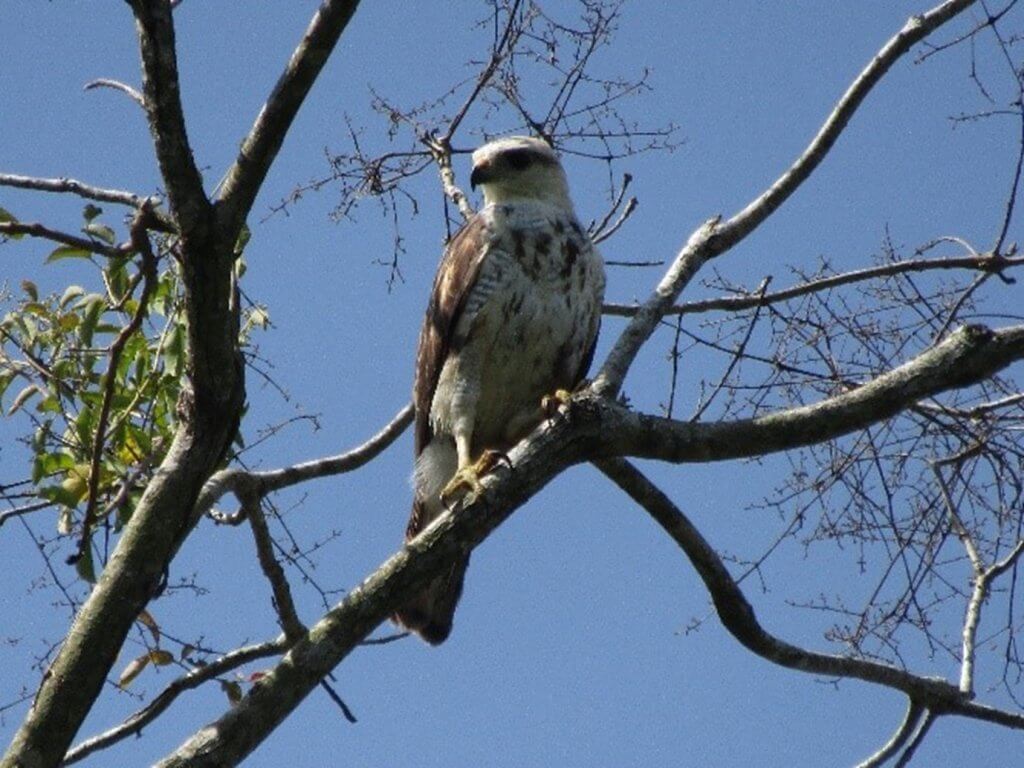 Agrícola Las Camelias, Turbaco
This makes it an excellent location to find and study migratory bird species of conservation concern.
Unfortunately, the critical areas and habitats on which they depend are threatened due to their over-exploitation or destruction.
But bird lovers have not been the only ones taking advantage of the development of Colombia’s rich ecosystems. Cattle ranching, logging, mining, and cultivation of African oil palm trees have also expanded rapidly, clearing forests at an accelerating rate.
Cattle ranching alone clears 500,000 acres of forest annually, threatening not just Colombia’s bird species, 160+ of which are endangered, but also migratory birds from other countries.
The growing awareness of the incredible richness of birds and wildlife in Colombia is helping generate greater interest in conservation.
Birding is helping grow this love for the natural world. If it is managed well, it can help combat threats like the destruction of habitat and illegal animal trafficking. In this way a great diversity of species, not only birds, will benefit.
Conservation of birds and their habitats is way more successful when local and Indigenous communities lead the way.
Like to create or customize a fantastico package tour of Colombia? Use our Plan My Trip page to start planning your dream Colombian vacation now!