
HISTORY OF CHAMPETA
The rhythms of Cumbia and Salsa are synonymous with Colombian music culture. However, Colombia is also the birthplace of a resistance fighter cultural movement firmly rooted in African music, known as Champeta. Emerging in the 1970s, this musical phenomenon united Colombia’s Indian, African and Latin heritages for the first time.
Champeta is more than a music genre or a dance. It is a movement. It all began in the early ’70s among Afro-Colombians, mainly in and around Cartagena de Indias.
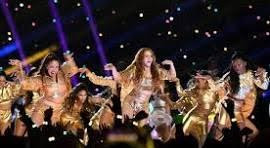
Shakira
Champeta combines Congolese soukous, Nigerian highlife and South African mbaqanga, with further influences from salsa, ríbaro and Caribbean zouk, soca and reggae. Flourishing in coastal regions such as Cartagena, Palenque and Barranquilla, it embodies the Afro-Colombian struggle.
The word champeta originally denoted a particular knife used in the region for work in the kitchen or sometimes even as an offensive weapon. Then, the term champetudo started to be used by the elites of the city to refer to those residents of the more outlying districts of Cartagena, who tended to be poorer and of African descent.
Champeta is a fusion of the rhythms from Africa (soukous, highlife, mbaqanga, juju), the Antilles (ragga, compás haitiano) and the music of Indigenous and Afro-Colombian origins (bullerengue, mapalé, zambapalo and chalupa). It has evolved over the last few decades and has passed from being a music genre and dance of the so-called poor, to being one of the favourite music genres of the middle and upper classes in Bogotá and other big cities. Champeta is characterized by upbeat, tropical rhythms and often sexually suggestive lyrics and dance moves.
Flamboyantly painted sound systems called picós are erected in the streets of the neighbourhoods from which picoteros (DJs) play the newly sourced music in the form of records for the locals to dance and congregate. It is enjoyed at full volume, a huge, travelling sound system accompanied by an MC to keep the perreo (party) going. Huge crowds gather along Colombia’s Caribbean coast to enjoy champeta music, where there is never a shortage of alcoholic beverages, an essential at any perreo.
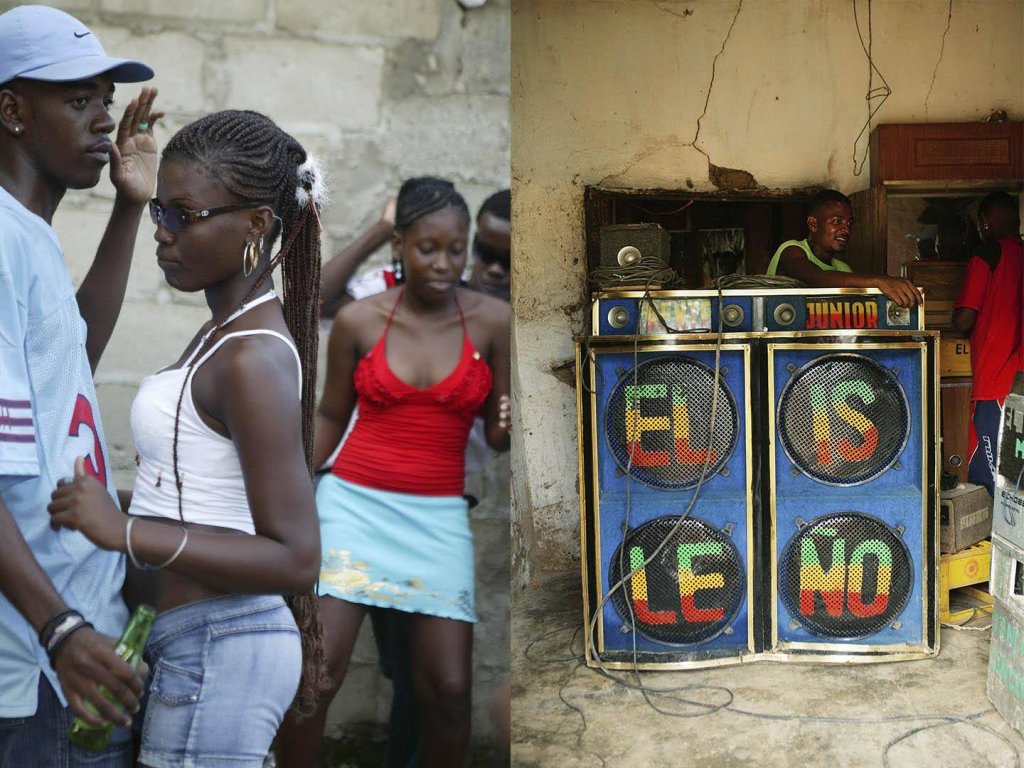
Individual picós are famous throughout Barranquilla and Cartagena. In the archly competitive world of the picó, where each picotero is trying to prove that they have the biggest, best, most danceable sound around, it became common practice for DJs to remove the labels from their vinyl records that identified artist and song titles to create mystique around their tracks.
Although African rhythms had run for centuries in the bloodline of Colombians, it was only in the 1960s and ‘70s that they started to gain traction among the picoteros who found themselves at the helm of popular musical culture. The music was a huge hit among the Afro-Colombian communities in and around Cartagena and was readily absorbed into the picó culture.
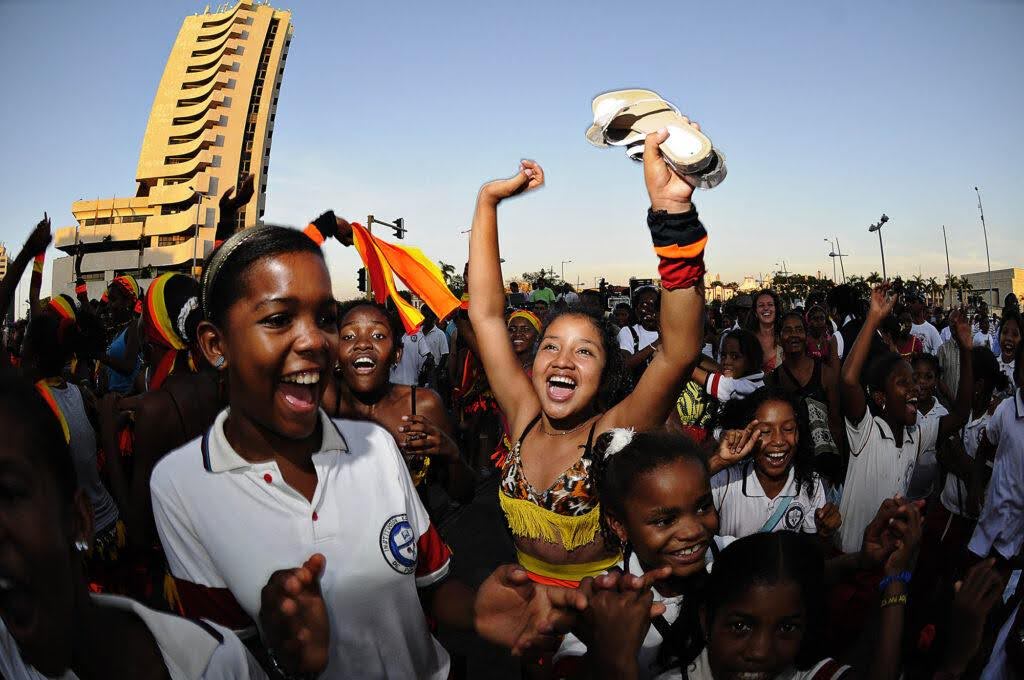
Champeta is a contagious and lively genre that allows us to understand how Caribbean culture has merged with all its Spanish and African ancestors to show what it is today. This is a representative genre of the city that shows a form of socio-cultural resistance from those who practice it.
Champeta and Cartagena share a strong bond, as this is the city where it all began. Production of champeta music started to gain force around the 1970s in Cartagena, but the contagious rhythms eventually spread to other cities along the coast, such as Barranquilla and Santa Marta, as well as other parts of Colombia.
Nevertheless, it remains a major pillar of Cartagenero culture. It shares many similarities with the musical style that emerged across the Caribbean. Its audiences, instruments, rhythms and turbulent, but rich history, reach beyond the borders of Colombia and into Afro-Caribbean traditions.
The Champeta is a dance strongly inspired by the African rhythms born on the Caribbean coast. This musical genre is a social phenomenon in the streets of Cartagena de Indias, the pearl of the Caribbean. People can dance alone or as a couple. It involves a sensual movement of the body that represents a form of seduction.
African culture has permeated all areas of Cartagena and Colombian Caribbean culture. The food, clothes, music and dances were all passed down from the first African people who arrived on Colombian shores.
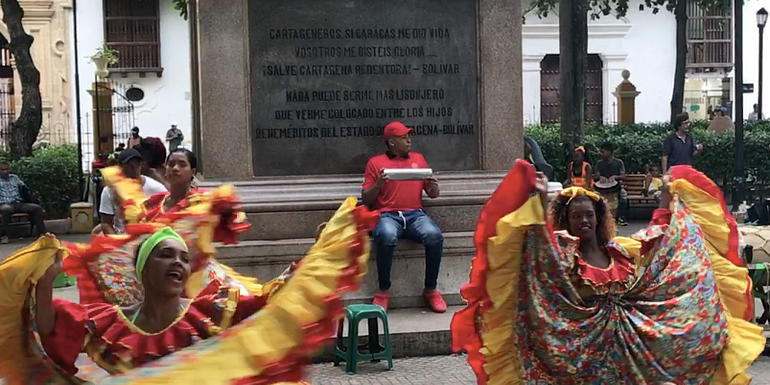
Champeta music can be traced back to the pueblo of San Basilio de Palenque, located a couple of hours south of Cartagena. Palenque was the first free pueblo of the Americas, founded by fugitive slaves in the 17th century. Declared by UNESCO as a World Heritage Site, it is the only pueblo that still speaks a specific Spanish creole language which originated in West Africa and came over during the slave trade.
The Champeta is a musical rhythm that for decades has sounded strong in Cartagena neighbourhoods. It was a genre created by the slaves who managed to free themselves from their masters and who to this day still live in the pueblo of San Basilio de Palenque. These African rhythms were mixed with urban music to create the Champeta that is sung and danced to today in Cartagena.
Palenquero has a huge influence on the slang and dialect that makes Champeta and Cartagena so unique. Against all odds, the community of Palenque has still preserved much of the African heritage of its original inhabitants and it is from these roots that Champeta music was born.
As previously mentioned, originating on Colombia’s Caribbean coast, Champeta is a style of music almost unchanged from its African roots. Though elements of rap and reggaeton can be heard in modern Champeta, it is more common for those genres to borrow from Champeta. These African rhythms were mixed with urban music to create the Champeta that is sung and danced today in Cartagena. Upbeat, percussive and vibrant, Champeta is music to dance to.
The vocal stylings of the genre and the percussive elements are heavily influenced by African music. The sound relies on a strong snare drum and intricate guitar work. Champeta is heard on both the Pacific and Atlantic coasts of Colombia.
Champeta Africana is a genre of popular music in its own right. African artists such as Mbilia Bel El Manoso and still be heard blasting from many a sound system in Cartagena’s surrounding neighbourhoods. Indeed, for a time, it was referred to as creole therapy.
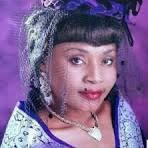
Mbilia Bel
The gatherings inspired by the music were considered to be a distraction from the hardships of daily life.
One of Cartagena’s most popular picos is Rey de Rocha, from the community of Rocha, a free pueblo similar to that of Palenque. Attending champeta parties has remained out of the mainstream of Cartagena’s ever-evolving and growing tourist industry. Events are normally held in barrios far from the tourist centres.
When Champeta first began to gain popularity, it was frowned upon by an elite, who deemed it to be immoral. The term champetuo was adopted not only to identify a fan of the music, but was also used as an insult for someone who was vulgar, noisy or aggressive. The term still highlights an inequality amongst the different classes of this port city and the wide gap which exists between an impoverished black majority and the white elite who retain control of a legacy handed down from the days of colonialism and slavery.
Champeta itself is like a knife, it cuts Colombia in two, representing the break away from colonial traditionalism and the arrival of a new modernity. It was not just black music, it represented a liberation struggle for these people. This is captured beautifully in Lucas Silva’s 1996 film, Los Reyes Criollos de la Champeta, which gives an authentic picture of the musical revolution that was taking place at the time.
Suggested Artists of Champeta
Charles King La Limosnera
Legend and Star of Champeta music, Charles King, who is one of the most popular Colombian Caribbean Performers, was born in San Basilio de Palenque. In more than 25 years, he has travelled throughout the country, with his music reaching all corners of Colombia and is heard in many different places in the world. His album Champeta Fever is one of the most important musical works of recent times in Colombia.
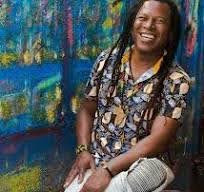
Charles King
Elio Boom La Turbina
Francisco Elio Corrales Cuesta, known artistically as Elio Boom, is one of the most prominent pioneers of Champeta in Cartagena de Indias. He is the performer of Carlitos, el Travieso, Turbina, Húndelo Todo and Echen Agua.

Francisco Elio Corrales Cuesta
Zaider Vive La Vida
Zaider Junior Prelata, known artistically as Zaider, is one of the leading exponents of Champeta today. He began his musical career at the age of 14 and since then, has collaborated with prominent artists in the genre, such as Kevin Flórez and Mr. Black.
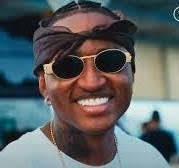
Zaider Junior Prelata
Mister Black El Presidente
Edwin Antequera, known artistically as Mr. Black, is one of the most prominent Champeta performers in Colombia. He has been a pioneer in popularizing this musical genre both nationally and internationally among Colombian Champeta singers.
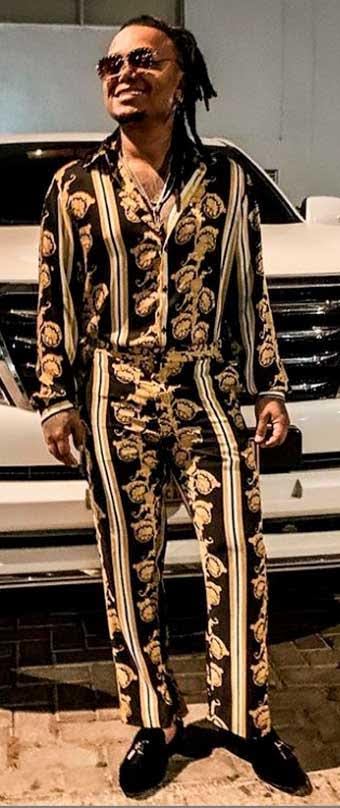
Edwin Antequera
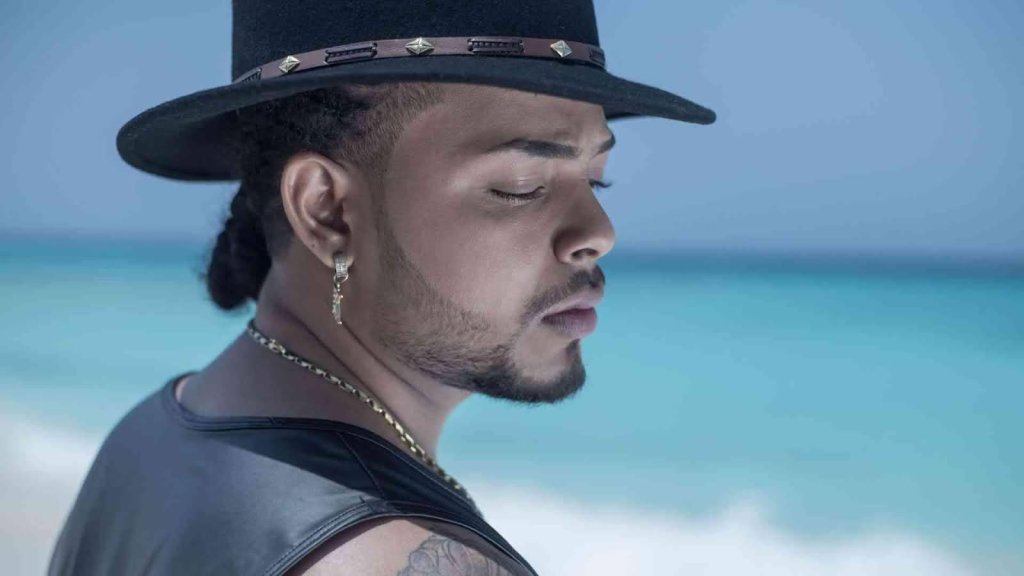
Kevin Flórez La Invite A Bailar
Kevin is a singer and songwriter specializing in urban Champeta. Born in Cartagena, he has recorded more than 400 songs throughout his career. Some of his most popular tracks include La Invite a Bailar, Con Ella and La Pikotera
Kevin Flórez Busco
El Sayayin Busco Alguien
On July 15, 2012, Jairo Sayas Díaz, popularly known as El Sayayín, died at the young age of 30 after being gunned down in Sincelejo, Sucre in 2012. One of the greatest exponents of ancestral music that emerged from the popular neighbourhoods of Cartagena, he became an immense influence on what we know today as urban music.
El Sayayin
Champeta was rejected by mainstream music culture for many years, categorized as the antics of ruffians, similar to the way that rap in the United States was similarly treated. Attitudes have since evolved, and nowadays Champeta is frequently featured in commercials and on the radio. The songs celebrate the abiding spirit of Afro-Colombians and call the attention of listeners to the genre’s once-controversial roots.
A trip to Palenque provides a glimpse into Colombia’s African history and visitors are often treated to live performances where Champeta takes centre stage. The popular Bazurto Social Club in Cartagena offers weekly live Champeta performances where locals will cajole visitors into learning how to perform the dance.
Champeta Dance Tutorial
Today, the sound of Champeta has become more accepted within Colombia. New artists are emerging onto the scene, especially within the sub-genre of champeta urbana. Well known for its infectious rhythms and lyrics, Champeta can inspire an urge to dance from even the most rigid of listeners. El espeluque refers to a moment in Champeta when the beat drops, bringing all of the erotic and fun-loving energy of the song into one moment, making it impossible not to get lost in the music. Despite the apparent free spirit, there lies a deeper meaning in its existence and even in its name, Champeta: the blade beneath the laughter.
Like to create or customize a fantastico package tour of Colombia? Use our Plan My Trip page to start planning your dream Colombian vacation now!