
PORE, CASANARE
Envisage a territory where history comes alive with the echo of independence that still reverberates among a panorama of unparalleled beauty. In the heart of Colombia, El Socorro Pore, Casanare, awaits you. A destination that seduces with its rich historical heritage and vibrant Llanero culture.
Pore’s cobbled streets and adjacent savannas have witnessed seismic events in the history of Colombia. This pueblo invites you to transcend yourself into a unique atmosphere, where every bend tells a chapter of the Colombian liberation and struggle, offering an enduring experience. Pore is a journey through living history and an eloquent testimony to the splendour of the Llanero culture, which is preserved in everyday life.
There are eighteen pueblos in the country that have been declared Pueblos Patrimonio (Heritage Towns) and the last to enter this select list was Pore, a municipality with great historical importance, in the department of Casanare. Pore was declared a National Historical and Cultural Heritage Site in 1990, a title that in turn earned it entry into the network of Pueblos Patrimonio in 2004.
Pore was founded by Adriano Vargas and Francisco Enciso on November 5, 1644. Its cobbled streets and adjacent savannas have witnessed crucial events in the history of the country. Some of the most glorious pages in the process of independence were written here.
The liberation struggle began in Pore and it is for this reason that it is known as the cradle of Colombia’s independence. Pore is the pueblo that was the capital of New Granada for forty-eight hours in 1819, when it served as the headquarters of the liberating troops of the Free Republic of New Granada for several months.
Bolívar and Santander met here to organize and combine their armies that would later face the Spanish in the battles of Pantano de Vargas and Puente de Boyacá. As for Pore, it is considered the first capital of freedom and democracy in the New Granada.
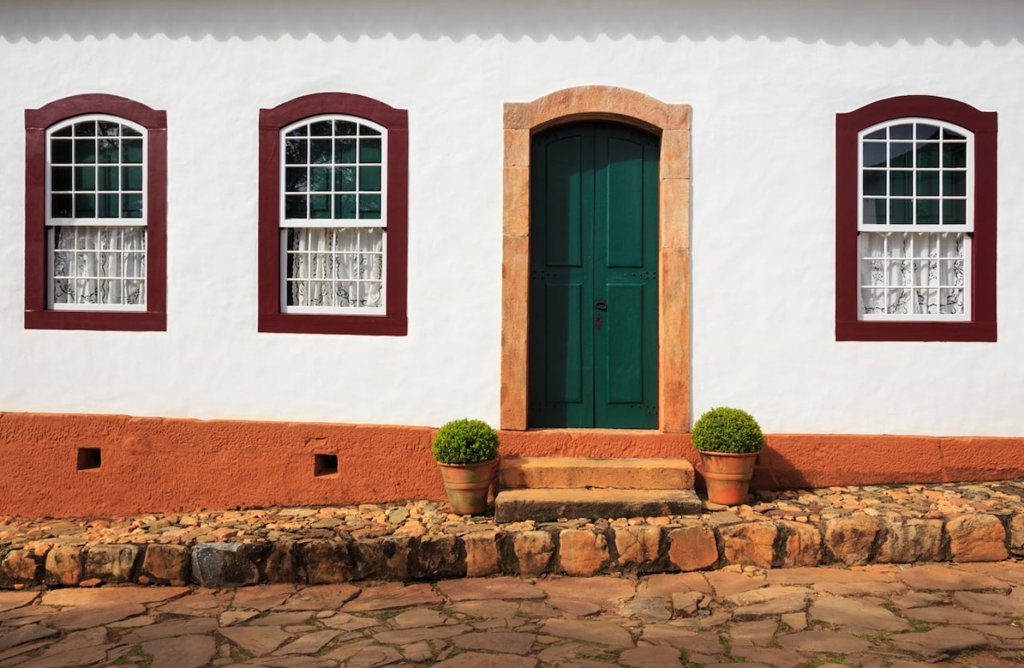
Today, there are still relics that recount the importance Pore had for the country. The prisons built by the Spanish, the Church, the cobbled streets and the preserved mansions are all as they were then. The Municipality is laid out in the typical structure of a Spanish colonial pueblo, whereby its development is planned around a central plaza.
CLIMATE AND WEATHER
Daily high temperatures range from 29°C/84°F to 30/86°F, rarely falling below 28°C/82°F or exceeding 32°C/90°F while low temperatures are around 22°C/72°F, rarely falling below 21°C/70°F or exceeding 23°C/73°F. Pore is at an altitude of 280 meters/919 feet above sea level and the average monthly rainfall in Pore is roughly 119 millimetres/4.7 inches, rarely exceeding 181 millimetres/7 inches. Humidity is always high, so it is best to wear light tropical clothing with a wide-brimmed hat and use high-factor sunscreen. Studded hiking boots are best for navigating the cobblestones.
THINGS TO SEE
Quebrada la Niata, on the outskirts of the pueblo, is a beautiful quebrada/creek of crystalline waters for swimming and relaxation.
Laguna de Piña Corozo is a magical place that is about 30 kms/22 miles from Pore, where there is excellent bird watching.
Zamaricote Natural Reserve is a natural reserve of approximately 8,600 hectares/212,511 acres.
This reserve is a tremendous source of wildlife and biodiversity, where varied ecosystems are protected, including forests and savannahs, palm forests, along with amazing fauna such as deer, macaws and capybara. Ecological walks and other activities, including a rope descent to the source of the river Pore, are amazing.
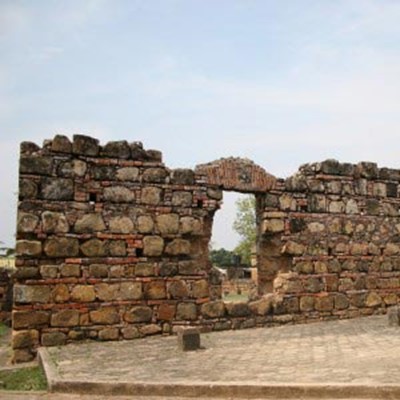
Tour through the historic centre of the pueblo, to see the sites such as the walled prisons and barracks built by the Spanish. Pore offers a glimpse into the country’s past with its colonial architecture and local customs.
The economy of Pore is primarily based on agriculture and livestock, reflecting the region’s rural nature. Despite its small size, Pore is an important part of the cultural and historical landscape of the Casanare Department.
GASTRONOMY
A region as hot and humid, dusty and wild as Los Llanos in Colombia has food that suits its character, its people and its sometimes harsh weather conditions. Food reflects society and in Los Llanos, it is blunt, simple and hearty.
The vast and lush plains offer ideal conditions for raising cattle and cultivating rice, while the rivers are rich in fish. Although many think that beef is all there is to Los Llanos, the region also offers delicious fish, soups and fruit.
It is also so exceptional that it is now to be found all over Colombia.
The cuisine of the Llanos is distinguished by its use of locally sourced ingredients that highlight the region’s agricultural abundance and pastoral way of life.
TRADITIONAL COOKING METHODS
The traditional cooking techniques of the Llanos are designed to enhance the natural flavours of the ingredients and reflect the region’s outdoor lifestyle:
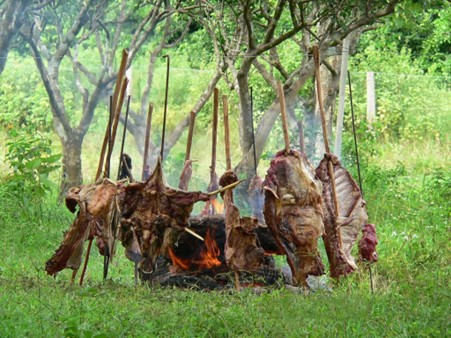
- Grilling over open flames: A popular method for cooking beef and other meats, especially for dishes like mamona, imparting a smoky, charred flavour.
- Barbecuing: A social and communal way of cooking, often involving large cuts of meat.
- Boiling and Steaming: Techniques used for preparing hayacas and hallacas, ensuring the ingredients are tender and flavourful.
- Use of Outdoor Kitchens: Many traditional meals are prepared in outdoor settings, emphasizing simplicity and the use of natural elements.
SIGNATURE INGREDIENTS AND FLAVOURS
- Beef: A staple, often grilled or barbecued.
- River Fish: Freshwater fish from the region’s many rivers, such as catfish and piranha.
- Plantains and Yuca: Common side dishes that provide starchy, filling accompaniments.
- Dairy Products: Cheese and milk, mostly from local cattle.
- Local Herbs and Spices: Used to season meats and enhance flavours.
- Beef is the undisputed star of the local cuisine.
Some typical dishes:
Mamona
A traditional dish of slow-roasted veal, cooked over an open flame, seasoned with salt and local herbs.
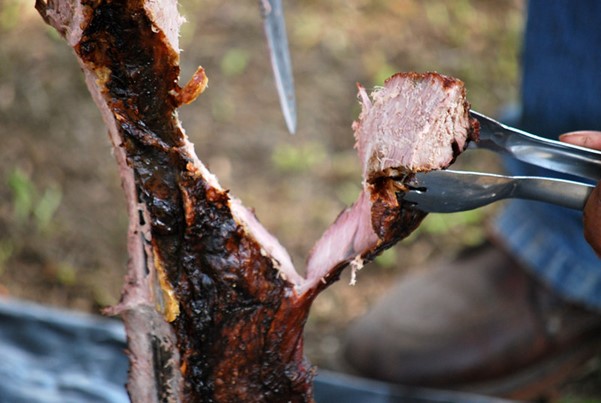 La Mamona represents the llanero essence, their culture and love for roasted meat.
Hervido de Gumarra
A delicious soup made with Creole chicken, potatoes, yucca, pumpkin, green plantain and cilantro.
Cachama Asada a la Llanera
Cachama fish grilled over a wood-burning stove.
Chigüiro a la Brasa
Marinated and grilled capybara meat.
Arroz Llanero
Boiled Rice seasoned with oxtail.
Hallacas
Similar to tamales, they are made with corn dough, filled with meat, vegetables and spices, wrapped in plantain leaves and boiled or steamed.
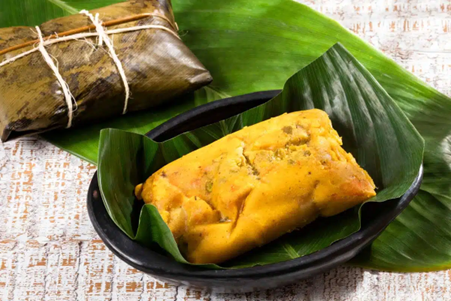 Hallacas
Palo a Pique
Beans cooked with meat and local spices.
Conejo en Vino
Rabbit slow-cooked with herbs and white wine.
FESTIVALS
There are frequent festivals in Pore; the most important annual festivals include
– The Festival International Rodeo de Tauramena, an event held in the company of great folklorists and the participation of guest artists, who adorn this wonderful event with great enthusiasm.
– Festival of La Bandola de Maní, a town in Casanare, considered to be the sanctuary of Joropo (llanero music), which receives more than twenty thousand visitors on 6th January every year to celebrate its patron saint festivities.
– Festival Cimarrón de Oro takes place in mid-December and is a festival representing the folklore of the llanero.
Mango Festival on 20 and 21 August.
How to get to Pore
The best launching pad to reach Pore is from Yopal, which is 72 kms/45 miles away. There are flights to Yopal from several cities in Colombia, including Bogotá and Medellín.
Pore was the beginning of one of the most important milestones in the history of Colombia. Known for its historical significance, Pore played a major role in Colombia’s independence movement. The pueblo is defined by its rural setting and traditional Colombian culture. It offers a glimpse into the country’s past with its colonial architecture and traditional customs.
It was from this municipality that the troops left for Boyacá Bridge, where victory was achieved against the Spanish in a decisive battle for freedom.
Despite its small size, Pore is an important part of the cultural and historical landscape of the Casanare Department.
Like to create or customize a fantastico package tour of Colombia? Use our Plan My Trip page to start planning your dream Colombian vacation now!