
Vallenato Festival, Valledupar
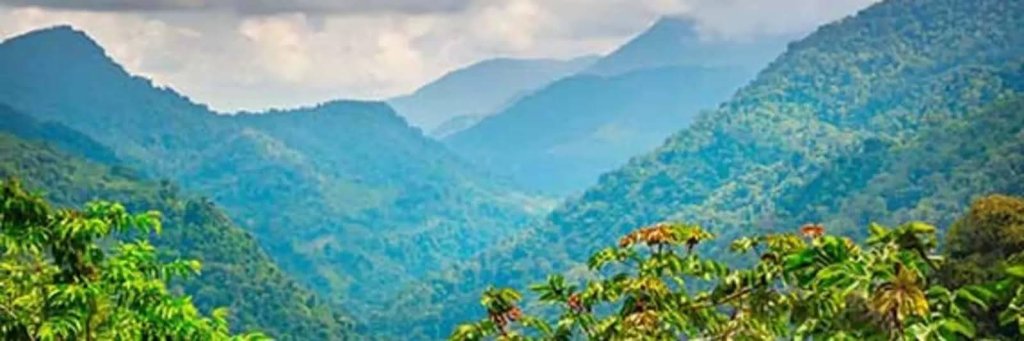
Valledupar – The Birthplace of Colombia’s Vallenato Culture
In the bars, on the streets, in the buses, music is everywhere in Colombia. Cumbia, salsa and reggaetón are among the favourite styles, but Vallenato reigns supreme. A highly lyrical and expressive musical form, Vallenato even inspired the Nobel Prize-winning author Gabriel García Márquez.
Every year in late April, the Colombian city of Valledupar, Cesar, comes to a standstill. This rural city of half a million inhabitants almost doubles in size as visitors from the regional pueblos come to support their participants. Also, fans of Vallenato music from all over the country and beyond come to join in the festivities.
El Festival de la Leyenda Vallenata (Vallenato Legend Festival) is a celebration of Colombia’s most popular traditional music genre. Founded in 1967, the festival culminates in the crowning of the Rey Vallenato (Vallenato King), the best interpreter of the diatonic accordion, the centrepiece of vallenato music.
For five days, the otherwise traditional, sleepy city is transformed into a folk music mecca with parranda (party) after parranda that often lasts well into the next day. Crowds flock into the main plazas to watch the competitors compete across four categories of accordion proficiency.
The Festival features a Vallenato music contest for the best interpreter of accordion, caja vallenata and guacharaca, as well as piqueria and best song. There is also a competition for the best new composition as well as various parades and dances.
The traditional and, for the most part, the only drink you will find the locals sipping on is Old Parr, a blended scotch whiskey that is relatively unknown to the rest of the world. The hospitality is breathtaking. The locals are very proud of their cultural heritage and many households demonstrate this by maintaining an open-door policy. If you pass by a parranda, you will most likely be invited to join in and down a couple of shots of Old Parr. It is no wonder that many consider it Colombia’s finest festival.
Vallenato is now one of the most popular and representative music genres in Colombia. Although it started on the coast, it is difficult to find a Colombian who does not feel identified with an accordion or with a sombrero vueltia, which is linked to this music genre. There is a whole culture around Vallenato and the city of Valledupar is paralyzed by the Festival de la Leyenda Vallenata that takes place during late April.
The roots of vallenato date back to the late 19th century. At a time when communication was difficult and travel was arduous, the rural communities of the Magdalena, Cesar and La Guajira regions relied on messengers to pass on information and convey news. These messengers were, in fact, juglares (minstrels) who would relay stories from pueblo to pueblo in the form of songs in exchange for food and beverages.
Usually travelling by donkey or mule, the juglares would stay in each pueblo for a few days, soaking up the gossip and messages to pass on to the next pueblo. The events they witnessed and the experiences they had would gradually develop into songs.
At the turn of the century, a new musical genre was born within the poorer classes of northern Colombia’s rural population and by the 1920’s the pueblo of Valle de Upar would become its home.
The now city of Valledupar was first named Valley of Upar, after the Indigenous leader cacique Upar, of the indigenous Chimila people.
Traditionally played with three instruments, Vallenato is perhaps the music that best represents the cultural makeup of modern society. There is the guacharaca, a wooden scraper, owning its origins to the country’s indigenous communities, the caja drum, testimony to the Afro-Colombian population and finally the accordion, an instrument brought over by European immigrants and gipsies alike.
The most important event during the celebration of this festival is the Vallenato musical contest. The winners are chosen by a Vallenato experienced jury that evaluates the contestants’ prowess in the four main rhythms of vallenato.
The four airs of Vallenato music:
Puya
History tells us that natives from La Guajira were trying to simulate the sound of birds when this rhythm was born. It shares some characteristics with merengue, but it has short and humorous verses to create an upbeat atmosphere. This is one of the fastest of Colombian dances, placing the talent of the accordion player to the test.
Merengue
Back in the day, the most conservative interpreters believed that these sung stories should not be danced. At the heart of the merengue is the narrative that was used in the first part of the 20th century to tell a story. It has a strong and slow harmonic cadence, which makes it easy for dancers to follow the beat.
Son
This is the slowest of the four rhythms and in the words of Chiche Maestre, a famous accordion player, it tells stories full of nostalgia. It is very similar to the paseo, but the differences are in the basses marked by the accordion, caja (similar to a snare drum) and guacharaca (an instrument often present in
Colombian music). The pace must be on point – not too fast and not too slow.
Paseo
This became a vallenato music genre in the 1930s, so it is the youngest of the group. Rafael Escalona, one of the most renowned Colombian artists, was the main instigator, which explains why half of his work is made up of paseos. Its popularity comes from a flexible musical structure that is slower than merengue and puya, but less melancholic than son.
The main events of the festival include:
- Competitions: The festival hosts various competitions where Vallenato musicians from all over Colombia showcase their skills in singing, playing instruments such as accordion, guacharaca (traditional percussion instrument), caja (drum) and guiro (scraper) while improvising lyrics. The competitions are judged by a panel of experts, and winners are awarded prestigious titles.
- Concerts: Renowned Vallenato musicians and bands perform live concerts during the festival, showcasing their talents and entertaining the audience with their soulful and rhythmic Vallenato melodies. These concerts are a highlight of the festival and attract thousands of music enthusiasts.
- Parades: Colourful parades featuring traditional costumes, dancers and musicians fill the streets of Valledupar during the festival. The parades are a visual spectacle that showcase the rich cultural heritage of the Vallenato music and the region.
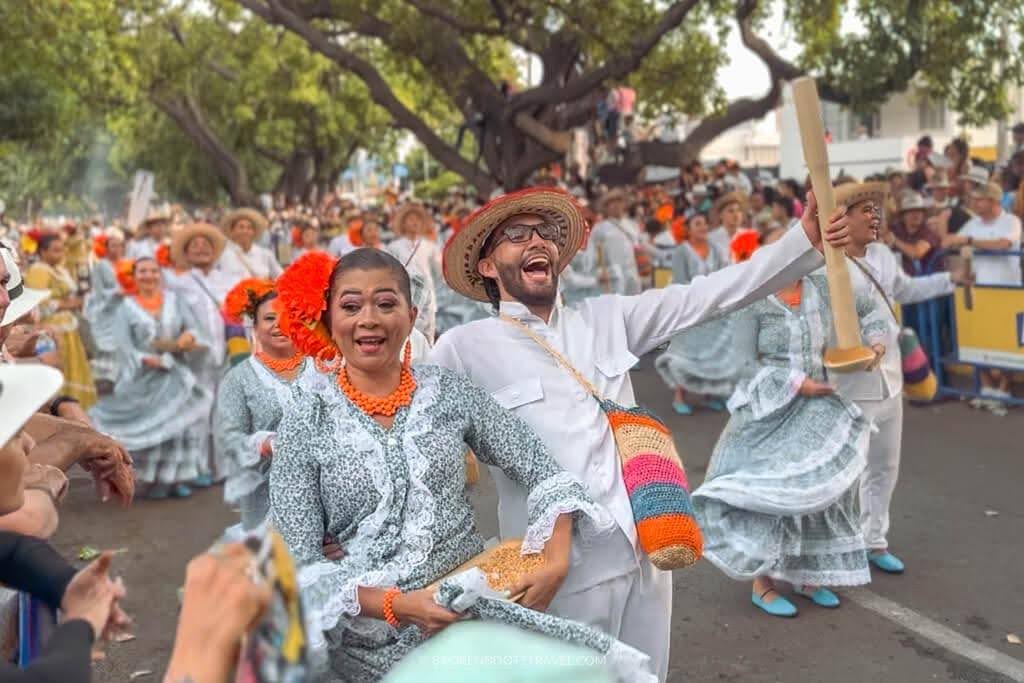
The Piloneras Parade
Cultural activities: The festival also includes workshops, seminars and cultural exhibitions that provide insights into the history, traditions and significance of Vallenato music. These activities aim to educate and promote awareness about Vallenato music and its cultural importance.
Significance of Vallenato Festival
The Vallenato Festival is of significant cultural and historical importance for Colombia and the Vallenato music genre. It has played a crucial role in preserving and promoting Vallenato music, which is considered such an important part of Colombia’s cultural heritage.

The festival has helped to revive and sustain interest in Vallenato music, attracting new generations of musicians and enthusiasts to learn, perform and appreciate this traditional genre. It has also become a platform for Vallenato musicians to gain recognition and exposure, both nationally and internationally.
Many successful Vallenato artists have emerged from the festival and it has contributed to the growth and popularity of Vallenato music as a distinct and cherished genre in Colombia’s music landscape.
Some famous names to know before heading to Valledupar:
Iván Villazón – A Valledupar native and world-renowned Vallenato, known as La Joven Voz Tenor or The Young Tenor Voice.
Ivan Villazon
Silvestre Dangond – Son of vallenato William José Dangond Banquero and singer of the famous Vallenato tune La Gringa.
Silvestre Dangond
Alejo Durán – The original King of Vallenato, also known as El Negro Grande and renowned for his accordion-playing skills.
Alejo Duran
Carlos Vives – a pop singer and former actor, who, much like Elvis, popularised blues music in the United States and beyond. Carlos Vives would take traditional vallenato songs and give them a modern makeover. The results were spectacular. Two Grammy awards, 9 Latin Grammy awards.
Carlos Vives
José Ricardo Villafañe – The first indigenous King of Vallenato, winning the competition in 2021 and hailing from the Arhuaco tribe.
Carlos Ricardo Villafane
Vallenato and cumbia have been added as a category in the Latin Grammy Awards.
Gastronomy
Valledupar, Cesar offers a rich and flavourful culinary experience that reflects its Caribbean and indigenous influences. Here are some ideas to try when visiting The Vallenato Festival:
Arepas de Queso, a local favourite, these arepas are made from cornmeal and filled with melted, fresh cheese.
Often served as a breakfast staple or snack, they pair perfectly with a cup of Colombian coffee.
Sancocho Vallenato, a hearty stew, is a traditional dish in Valledupar, made with chicken, beef or fish, served with green plantains, yuca and vegetables.
It is a comfort meal, often enjoyed during family gatherings or festivals.
Carne Asada, grilled meat, is a specialty in Valledupar, often seasoned with local spices and served with patacones (fried green plantains), rice and a side of fresh salad.
It is a simple yet delicious meal that showcases local flavours.
Chivo (goat) meat is a signature dish in the region, typically marinated and slow-cooked to perfection.
It is served with coconut rice, arepas, or yuca, offering a taste of Valledupar’s rural culinary traditions.
Arroz con Coco is a coconut-infused rice that is a staple in the region, pairing perfectly with seafood or grilled meats. It’s sweet and savoury flavour makes it a must-try side dish.
Fish Dishes, given its proximity to rivers and the Caribbean coast, fresh fish is a common feature of Valledupar’s cuisine. Try bocachico or robalo, often served fried or in a coconut sauce.
Patacones, these crispy, flattened green plantain slices, are a popular accompaniment to many meals.
They are often served with a tangy hogao sauce made from tomatoes and onions.
Queso Costeño, a salty, crumbly chees,e is a local delicacy, often enjoyed with arepas, fried yuca or as a topping for other traditional dishes.
Dulces de Leche y Coco for dessert, try the sweet treats of Valledupar, like dulce de leche (milk caramel) or cocadas (coconut candies).
Tropical Fruits, the region’s tropical climate provides an abundance of exotic fruits like guanábana, mango and tamarindo. Enjoy them fresh, in juices or as part of desserts.
Drinks to Accompany Your Meal
Pair your meal with agua de panela (sugarcane water), fresh fruit juices or a refreshing local beer. For a unique Valledupar experience, try a traditional chicha (fermented corn-based drink).
Valledupar’s Cuisine in a Nutshell
The food in Valledupar is a celebration of its cultural heritage and natural bounty. From hearty stews to tropical desserts, every dish tells a story of the region’s history and traditions, making your culinary journey as memorable as the city itself.
Climate
Valledupar is extremely hot. Indeed, it is the hottest major city in Colombia. Therefore, you will want to pack accordingly when planning your trip to the Vallenato Festival. Lightweight cotton clothes and plenty of high-factor sun protection.
Loaded with beautiful Colombian culture and entertaining contests, the Vallenato Legend Festival is one of the most anticipated music festivals in Colombia.
The event is dedicated to Vallenato, country music established in Colombia’s Caribbean region. The music genre has been recognized as culturally important by UNESCO and there is no better way to celebrate it than at this music festival!
Like to create or customize a fantastico package tour of Colombia? Use our Plan My Trip page to start planning your dream Colombian vacation now!