
PUEBLOS PATRIMONIO CIÉNAGA
(Colombian Heritage Towns: Ciénaga)
Exploring Colombia’s charming Pueblos Patrimonio(Heritage Towns) is like embarking on a fascinating journey through time. Every cobblestone street and colonial facade tells ancestral stories, transporting visitors to bygone eras. From grand churches to lively plazas, these pueblos offer an authentic glimpse into Colombia’s rich culture and traditions.
Ciénaga, Magdalena
We work with and recommend booking flights with www.kiwi.com
Ciénaga, the inspiration for One Hundred Years of Solitude, is known as the Capital of Magical Realism.
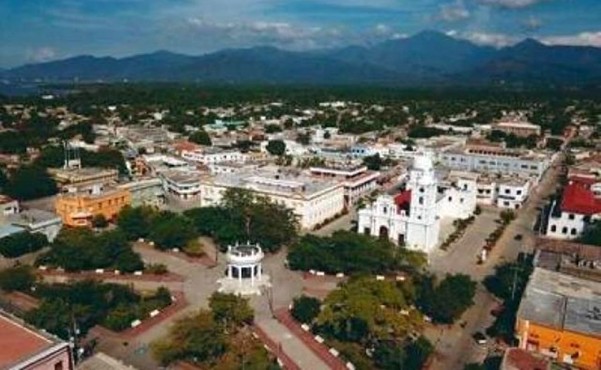 Ciénaga, Magdalena
Ciénaga, in Colombia’s Magdalena department, sits on the Caribbean coast near the northeastern edge of the Ciénaga Grande. Ciénaga, however, is one of the least known of the country’s Pueblos Patrimonio.
The pueblo achieved the category of municipality in 1867. Once dominated by banana monoculture, the economy now includes diverse agriculture and livestock production. Just 40 kms/25 miles from Santa Marta, current activities focus on fish farming, livestock and arts and crafts. The coal train, operated by the Drummond company, is creating new opportunities for the petrochemical industry.
What once started as an indigenous village has since become an instrumental part of Colombia’s Caribbean history. The pueblo’s lovely historic centre was declared a Colombian National Cultural Heritage Site in 1996. The varied architecture is one of Ciénaga’s greatest attractions. The streets, facades and plazas reflect the legacy of an era where most prospered. The banana boom let wealthy locals adopt European designs, bringing back new ideas from their travels abroad.
Located near the Sierra Nevada, Ciénaga stands out for its diverse landscapes and well-preserved Caribbean architecture. Ciénaga was an indigenous village when it was catechized by Fray Tomás Ortiz in 1529. Since then, it has been instrumental in the development of the Colombian Caribbean, as evidenced in its historic centre.
Here, you can explore banana farming, relax in hot springs, and join a festival celebrating the caimán. A walk through Ciénaga’s historic centre reveals its former splendour, shaped by the surrounding banana plantations.
Ciénaga is known for the 1928 Banana Massacre, a pivotal event that shaped Colombian politics and literature. Today, Ciénaga attracts tourists through films like Juana Tenía el Pelo de Oro and novels like La Marca del Deseo.
Ciénaga is surrounded by mirrors of water and lagoons that make its climate very variable. The Caribbean Sea, Córdoba and Toribio rivers, and Cordobita hot springs all meet at the Ciénaga Grande de Santa Marta.
WEATHER AND CLIMATE
Ciénaga is at an elevation of 12 m/30 feet, so in the tropics the climate is hot, oppressive, and overcast. Over the course of the year, the temperature typically varies between 76°F/24°C and 92°F/33°C and is rarely below 73°F/23°C or above 95°F/35°C.
The rainy period of the year lasts for eight months, from April to mid-December. The month with the most rain is October, with an average rainfall of four inches. The rainless time of the year lasts for four months, from mid-December to April.
When visiting Cíenaga, it is best to wear light tropical clothing (cotton fabric) and have a full-brimmed hat. Good walking shoes and high-factor sun screen are indispensable.
MAIN ATTRACTIONS
Plaza del Centenario, said to have inspired Gabo’s Colonel Aureliano Buendía, is the vibrant heart of Ciénaga. It is a meeting point both for locals and visitors. Surrounded by majestic colonial buildings, this plaza is a living testament to the pueblo’s rich history. Built over a century ago to mark Colombian Independence, Plaza del Centenario is now a hub for civic and cultural events.
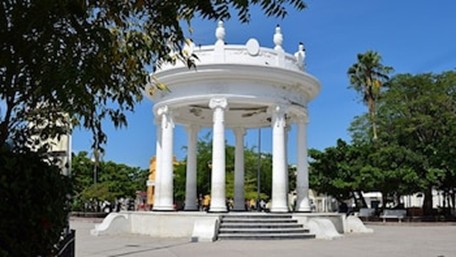 Plaza del Centenario
The Masonic Lodge is the most beautiful of buildings and is the home of the Masons, built over 100 years ago. Its architectural design is clearly in the Republican style, as indeed is much of the municipality.
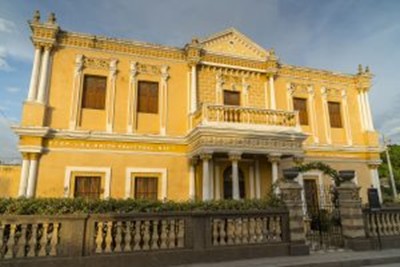 Masonic Lodge
In the historic centre, Casa del Diablo is a two-story mansion with a white facade and 14 Roman columns in the Republican style. Crowned with a zither-shaped pediment, Casa del Diablo was built by Manuel Varela, whose wealth was rumored to be from a pact with the devil.
The legend in Ciénaga says Don Manuel sacrificed a worker from his banana plantation to Satan each year in exchange for prosperity. Thus arose the myth that is chiefly responsible for the fact that his residence, originally named Mansión Manuelita, is now in ruins.
All doors and windows are boarded up, the brilliant white of its facade has taken on a yellowish colour and tropical vegetation is devouring the interior. Passers-by are still filled with suspicion and exercise caution.
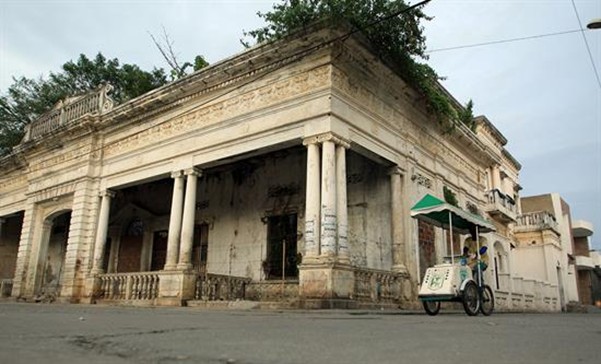 La Casa del Diablo
Cienaguero Caimán
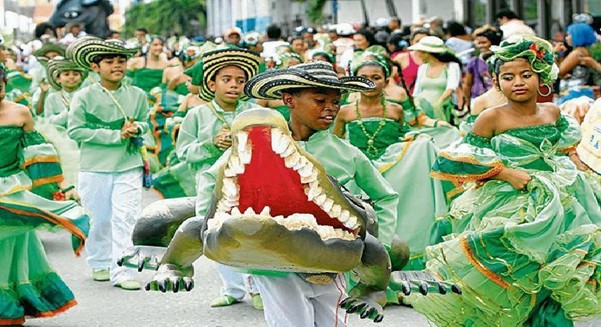
This is the main festival of the municipality, held every year in January. Its origin is based on the legend of Tomasita, a girl who left her house for a walk with her sister on her birthday (January 20). In a moment of carelessness, she was consumed by a caiman. When her parents realized what had happened, they went out to kill the animal and parade it around the entire pueblo.
Today, it has become a national festival. Groups from all over the country participate in dancing and singing. International singers and musical groups also perform.
Church of St. John the Baptist
Constructed towards the end of the 19th century, this church combines Gothic and neoclassical styles, making it a symbol of the religious and cultural heritage of the region.
With its white facade and towers that rise above the main square, the church is a place of devotion for local inhabitants. In addition, it has become a tourist attraction for those visitors interested in the history and architecture of Ciénaga. Its interior, adorned with ornamental details and stained glass, invites reflection and contemplation.
Cordoba hot springs
The Córdoba Hot Springs in Ciénaga are a tremendous experience for visitors seeking relaxation and well-being. Here they will find a rustic resort with amazing hot springs, whose temperatures range between 100 & 108°F/38 & 42°C. Relax in a thermal pool, a mud bath and enjoy a complete massage.
Old Railway Station
This is a testament to the banana boom that drove the region’s economic development in the early 20th century. The building, with its impressive neoclassical style, was the epicenter for the transportation of goods and people during the boom.
Although it is no longer in operation, the station has been preserved as a site of historical interest, evoking the time when Ciénaga was one of the most important banana export centres in Colombia.
The Ciénaga Grande de Santa Marta Flora and Fauna Sanctuary is made up of progressive accumulations of sediment from the Magdalena River. It comprises mangrove ecosystems, swamps, rivers, canals and marshy areas.
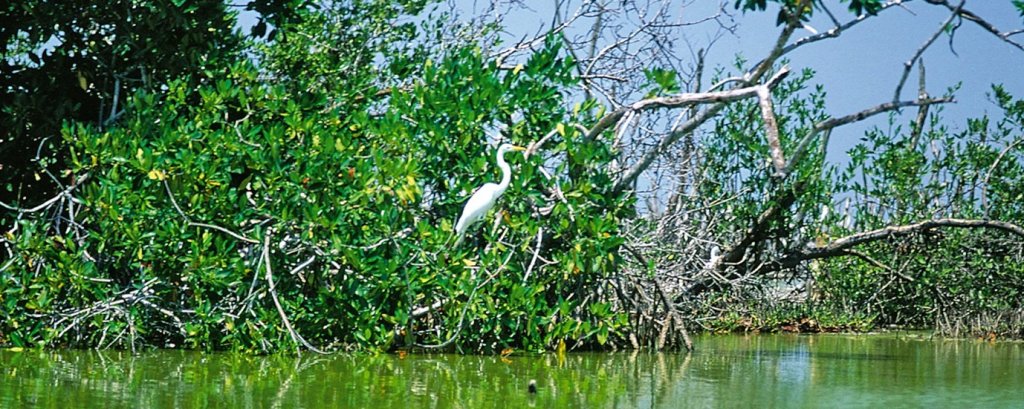 Flora and Fauna Sanctuary
Palafito people of the Great Swamp
A cultural exchange with fishing communities can be experienced near Ciénaga in the stilt villages of the Great Swamp of Santa Marta.
Here, colourful wooden houses and canoes are a vital part of the landscape. The pueblos of New Venice and El Morro are easily accessed from Ciénaga by land and boat.
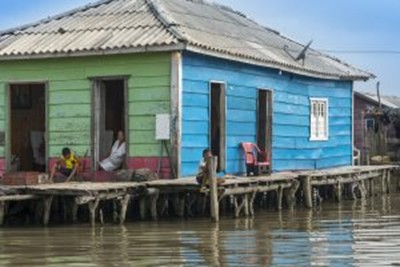 House on stilts
Hacienda Santa Cruz de Papare is an excellent classic example of colonial architecture.
In the sixteenth century, it was part of the encomienda (meaning it was granted from Spain the right to demand gratitude from the local indigenous population) and chiefly produced sugar and alcohol for export.
Surrounded by lush nature, the hacienda offers a glimpse into the region’s past and the importance of banana cultivation in the local economy. The grounds of the estate are still used for the cultivation of bananas, sold in international markets
Ciénaga, Magdalena, is a Pueblo Patrimonio that lives and breathes culture, which is reflected in its vibrant festivals, which have become a fundamental part of the local identity. One of the most notable is the National Legend Festival and the Dance of the Ciénaguero Caimán held during January. These are celebrations that honour the rich oral traditions and folklore of the region.
 Begin organizing your dream Colombian getaway right away by using our Plan My Trip page!
The streets of Ciénaga are filled with music, dance and colourful parades that narrate the legends and myths that have been passed down from generation to generation.
In addition to this festival, the pueblo also celebrates other religious and cultural festivities throughout the year, each offering a unique window into the customs and community spirit of Ciénaga. These festivals not only attract local residents but also capture the interest of visitors from all over the country who come to enjoy the joy and dynamism of these wonderful celebrations.
GASTRONOMY
Ciénaga is one of the most popular gastronomic epicentres of Magdalena thanks to its wonderful dishes such as fried fish, coconut rice and cayeye.
Cayeye is a delicious and very popular dish that you cannot miss when you are in Ciénaga.
This typical dish is a true delight of the coastal gastronomy and is made with green bananas, a fruit highly appreciated in the Caribbean.
Cayeye is prepared by cooking green bananas in salted water and mashing them to obtain a smooth and delicious puree that is topped with the regional cheese (queso costeño), hogao (tomato and onion salsa) and pork rinds.
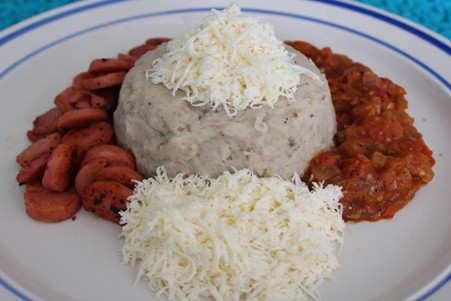 Cayeye with hogao, ranchera sausage and coastal cheese
Patacón is another typical delicacy and among the most famous preparations are the patacón stuffed with egg, meat or chicken and the patacón with fish salpicón, which combines two classic dishes of the coastal gastronomy: the patacón and the fish salpicón.
The most traditional of all is the patacón with regional cheese. The patacón is made with green banana or plantain, which is fried and crushed to obtain a crunchy oval.
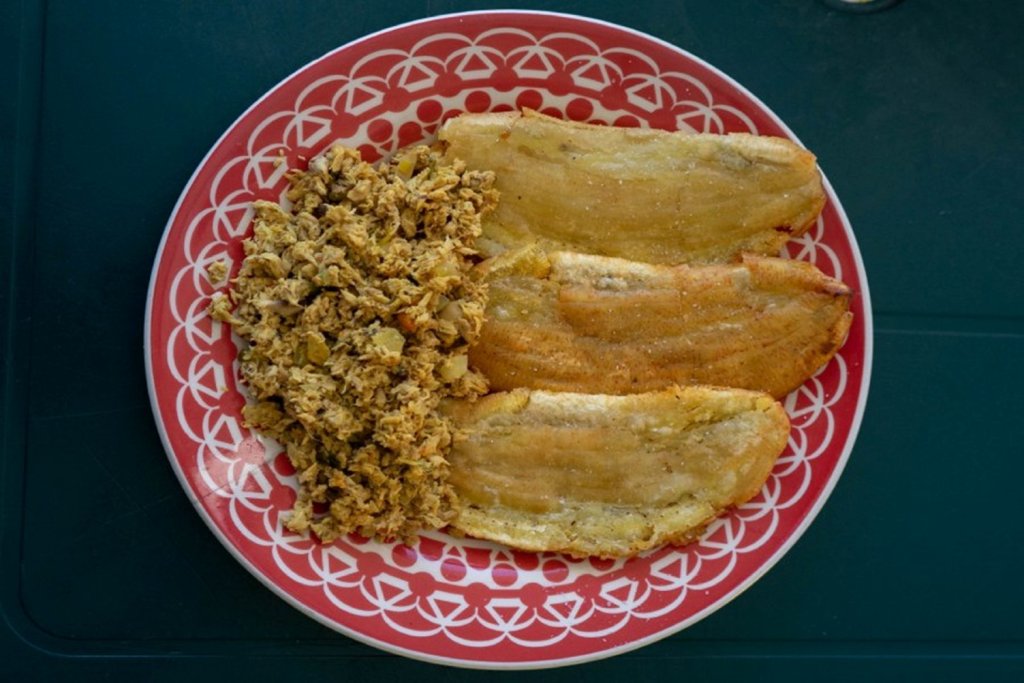 Patacones with fish salpicón
Cazuelas de mariscos, the typical dishes of Ciénaga, also include fish soups, cazuelas de mariscos (seafood casseroles) and fish broth. The latter is one of the most famous from the coast and is thick and very tasty. Prepared with fish, yucca, plantain or green banana, onion, cilantro and other typical ingredients of the region.
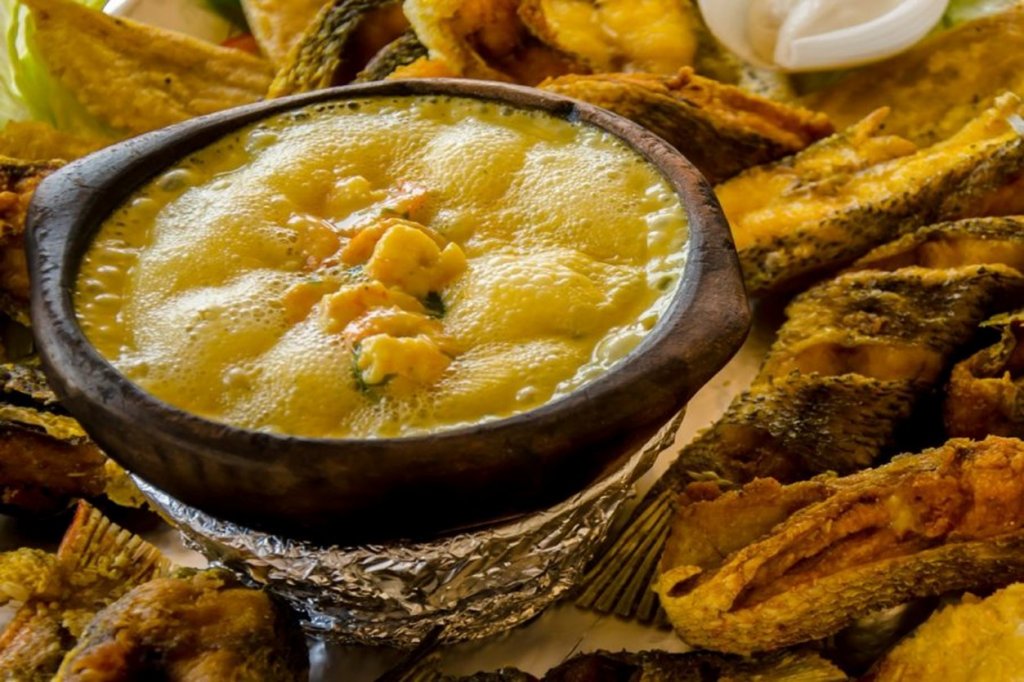 Cazuela de Mariscos
Fried fish with coconut rice and patacones. The coconut rice is creamy and slightly sweet, contrasting with the salty and crunchy taste of the fish. This dish is a delight that shows the diversity of the typical cuisine of Magdalena and is a wonderful culinary experience.
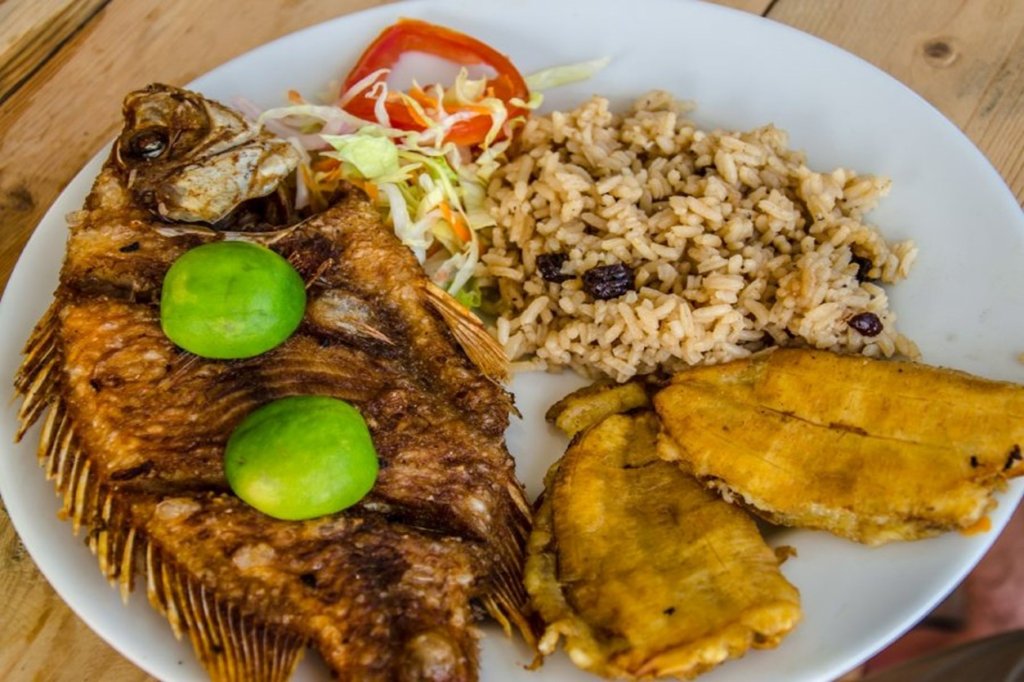 Fried fish with coconut rice and patacones
BEST WAY TO GET TO CIÉNAGA
Given that the pueblo is just 40 kms/25 miles from Santa Marta, Cíenaga is readily accessible by public transport or indeed by taxi.
Ciénaga, Magdalena, is a destination that offers an enlightening experience for those looking to absorb the history, culture and natural beauty of this amazing part of Colombia. From its iconic monuments and stunning colonial architecture to its vibrant festivals and the warmth of its people, this Caribbean pueblo combines the best of the past and present in a stunning setting.
While touring Ciénaga and its surroundings, you will come upon a hideaway full of history and tradition. This is also a place that tells a story and every event celebrates the vivacious spirit of its inhabitants. Quite clearly, Ciénaga is a cultural cache that deserves to be explored and appreciated by all who wish to learn more about Colombia’s rich heritage.
Like to create or customize a fantastico package tour of Colombia? Use our Plan My Trip page to start planning your dream Colombian vacation now!