
BEST MUSEUMS IN SANTA MARTA
TAIRONA GOLD MUSEUM
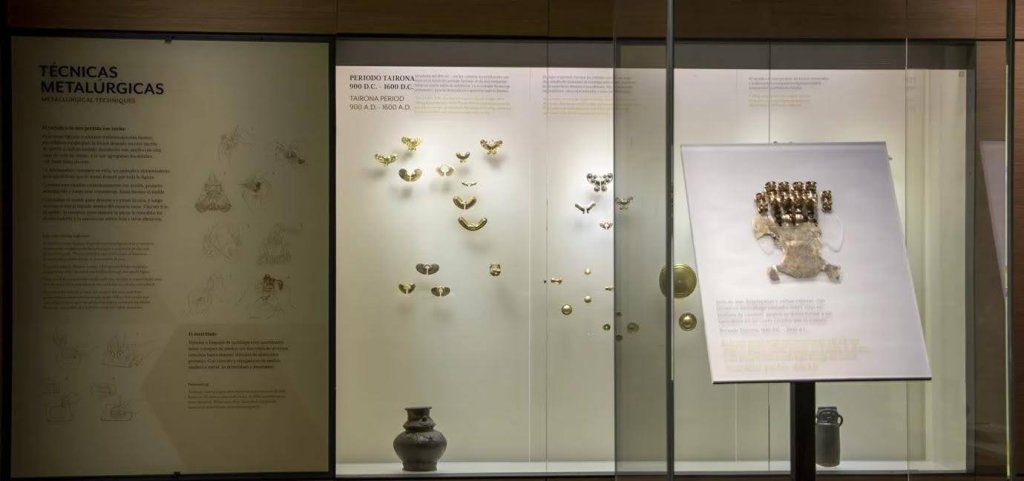
The Old Customs House, built in 1531, is said to be the oldest colonial building in the Americas that is still standing. Originally, it was used to regulate merchandise arriving at the busy port of Santa Marta. It has been completely restored and since 2014, it has housed the magnificent Tairona Gold Museum. It consists of four themed rooms which exemplify the historical heritage and cultural diversity of the region.
Simón Bolívar, the great liberator, lived here at one time.
An extraordinary collection and an exhibition that puts cultural heritage in context with a beautifully restored colonial house invite you to explore the past and present of Santa Marta, Magdalena and the Sierra Nevada.
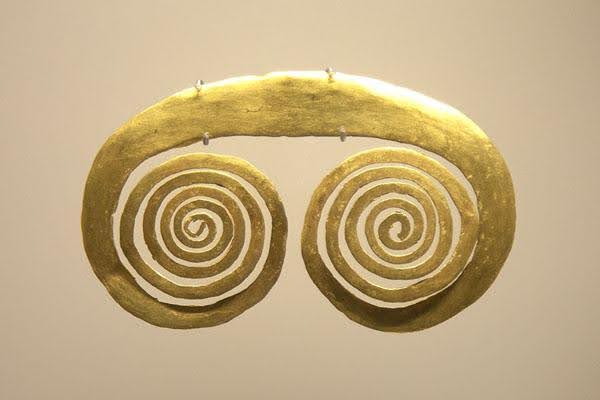
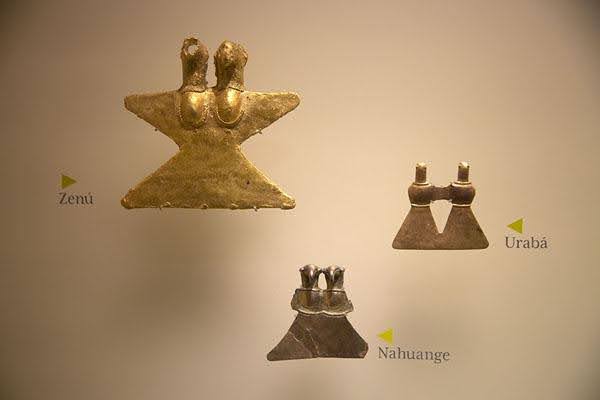
The Museum has thematic and interactive rooms where you can learn how the indigenous people lived and how they used to make their clothing and the pieces they delicately designed in gold, silver and other metals that served to worship Mother Nature. The colonial-style facilities have been preserved in their original configuration to tell the stories of battles, victories, events and how the city of Santa Marta flourished.
Among the items that can be seen in the museum are several hundred gold and silver pieces, many ceramic items, bone fragments, shell and stone parts, ethnographic objects and original colonial articles. The latter were found during archaeological excavations that were carried out in the mansion.
Opening hours:
Sunday 10AM – 3PM
Monday Closed
Tuesday 9AM – 5PM
Wednesday 9AM – 5PM
Thursday 9AM – 5PM
Friday 9AM – 5PM
Free entry
Website
Address: Customs House, Carrera 2 & Calle 14, Bolívar Park
Email: museodelorotairona@banrep.gov.co
Tel. +57 605 421 0251
Museum Location
QUINTA DE SAN PEDRO ALEJANDRINO
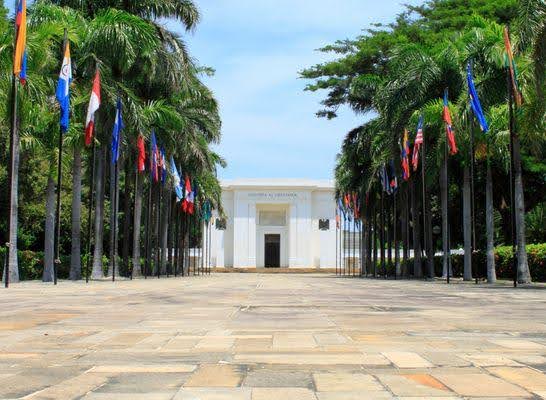
The colonial architecture, the antique furniture and the artistic works of the Quinta de San Pedro Alejandrino museum narrate the historical events that identify Colombia as a Bolivarian country. The plants, trees and fauna that surround the house exemplify the climate, colours and bloom of these lands. There are twenty-two hectares of tropical dry forest in the city of Santa Marta, all of which is part of the Quinta de San Pedro Alejandrino Bolivarian Museum of Contemporary Art Foundation.
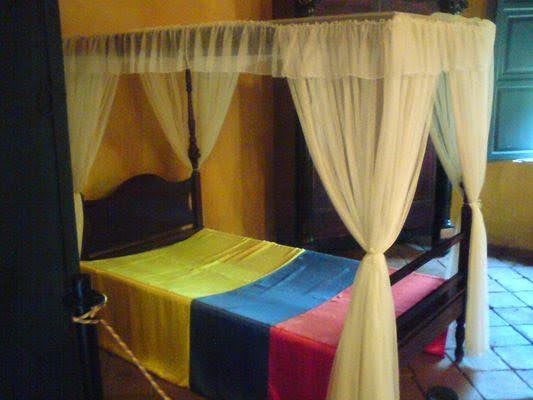
Simón Bolívar arrived in Santa Marta on December 1, 1830, ill and politically defeated. He stayed a few days at the Customs House and was then invited by Joaquín de Mier to rest at his hacienda. On December 7, the Venezuelan hero arrived at La Quinta with the idea of recovering and then embarking on a trip to Europe. However, he did not even have time to use the hammock that was hung between two leafy tamarind trees. Illness confined him to the main room of the house, where he passed away ten days after arriving.
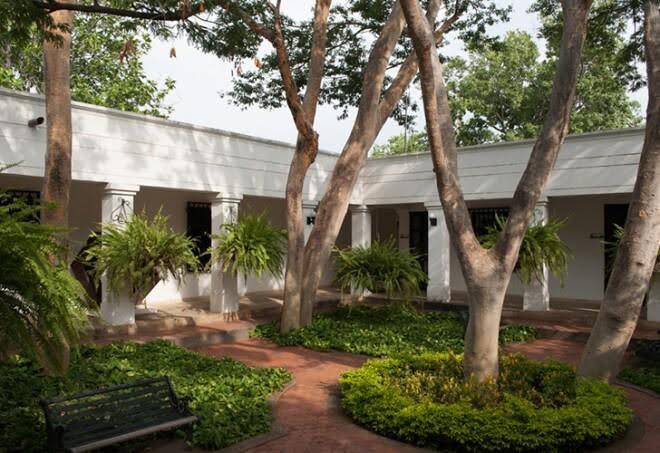
The Quinta San Pedro Alejandrino was one of the best sugar mills that Santa Marta had in colonial times. Currently, it is one of the most visited tourist sites in Santa Marta, for here is the bedroom where the Liberator Simón Bolívar died and for having an exquisite flora, fauna and above all colonial and republican architectural styles rarely seen before.
La Quinta de San Pedro is not only an icon of the city of Santa Marta and the region, but of all the Bolivarian countries and Latin America.
Time has been imprisoned within the walls of the hacienda. It will fascinate you. The Quinta de San Pedro Alejandrino is also a ceremonial point for the Arhuaco, Kankuamo, Kogui and Wiwa indigenous people of the Sierra Nevada. Today, the Quinta de San Pedro Alejandrino stands as a museum and hosts many temporary exhibitions. Adjacent to the villa is a botanical garden, which houses many interesting plant species belonging to tropical dry forests. A statue of Simón Bolívar by sculptor Pedro Montarsolo stands at the centre of the garden.
Opening hours:
9:30AM – 4:30PM daily, except January 1st.
Address: Sector San Pedro Alejandrino, Av. El Libertador, Santa Marta
Entry fee for Foreigners 27,000 pesos (US$6.40), for Nationals 17,000 pesos (US$4.00), discounts for children and seniors.
Tel. (+57 301) 241 5913
Website: http://www.museobolivariano.org.co/laquinta/
Quinta Location
RODADERO SEA AQUARIUM AND MUSEUM
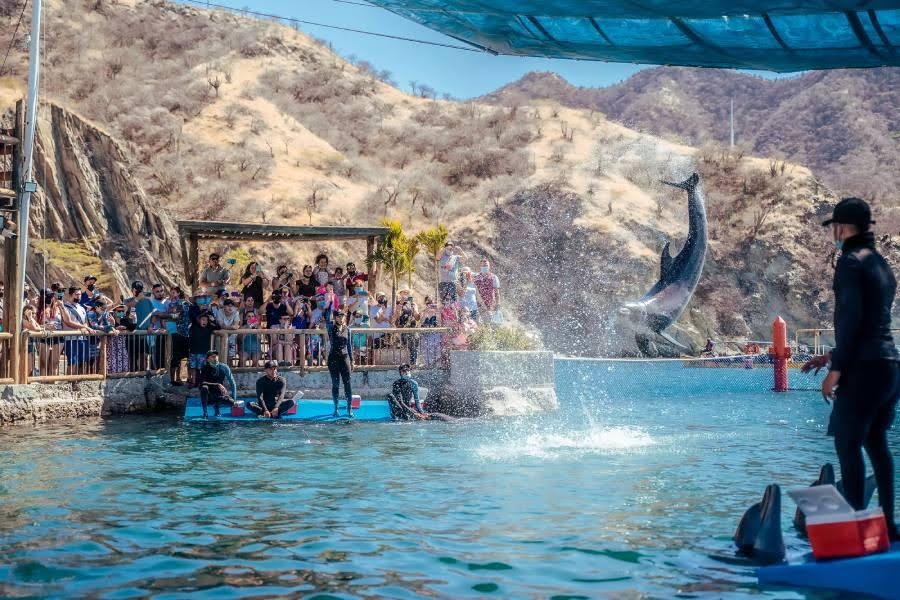
The Rodadero Sea Aquarium and Museum, or Acuario y Museo del Mar del Rodadero, is a public aquarium and maritime museum located in the Inca Cove off the Rodadero beach in Santa Marta.
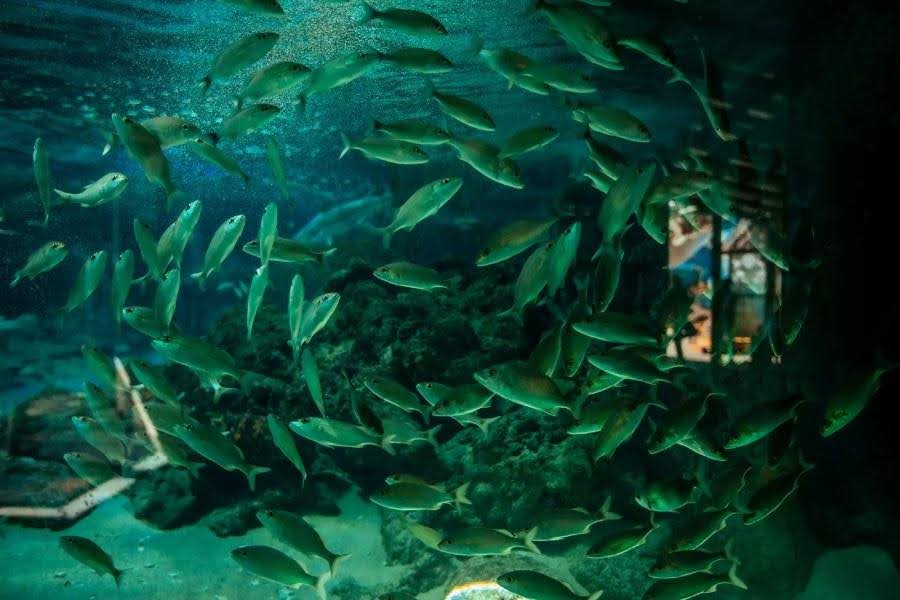
This is an exhibition of marine fauna comprised of pools built in the sea, a glass aquarium and a museum. There are thirteen pools, with fifteen glass aquariums containing hundreds of species, including both marine invertebrates and vertebrates, fish, mammals, reptiles and birds.
The aquarium is accessible by boat from Playa El Rodadero, one of Santa Marta’s finest stretches of sand. The aquarium´s thirteen pools are directly accessible to the Caribbean Sea. There are also the fifteen glass aquariums containing nearly a thousand animals, including sharks, sea turtles, dolphins, sea lions, crustaceans, fish and seabirds, most of which are native to the area.
Visitors have the chance to swim with dolphins, while you can also feed sharks, turtles and others.
The aquarium also contains a museum that exhibits stuffed specimens and nautical equipment, as well as an exhibition that focuses on the pre-Columbian culture of the indigenous Taironas and their connection with the sea.
Opening hours:
Monday – Friday 7AM – 9PM
Saturday 8AM – 6PM
Address: Edificio Fuentemar, Carrera. 1, No.7-69, Gaira, Santa Marta
Tel. (+57 316) 389 7667
Aquarium Location
Website
The cost of visiting Rodadero Aquarium will depend on the activities you would like to do.
However, here are the prices of some key services you should be aware of:
- Boat transportation: $15,000 COP (US$3.50) each way.
- Taxi-marino water transport: $30,000 COP (US$7.00) round trip
- Entrance to the Aquarium: $65.000 COP (US$15.50)
- Dolphin Interactions: from $150.000 COP (US$35.70)
A WALKING TOUR AROUND SANTA MARTA’S HISTORIC CITY CENTRE
Santa Marta was founded in 1525 and is the second oldest existing European settlement in South America. Many of the fascinating residences and buildings are close to each other in the historic city centre. This exposé includes landmarks that are historically interesting, but not officially museums or other entities.
HOUSE OF THE VICEROYS
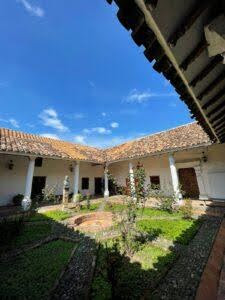
A block north of Parque Bolívar on Calle 12 is the House of the Viceroys, or Casa de Los Virreyes. It was established in 1799 by Royal Treasurer Francisco Xavier de Ainzuriza and is one of the oldest homes remaining in the city from colonial times.
Website
GOENAGA HOUSE
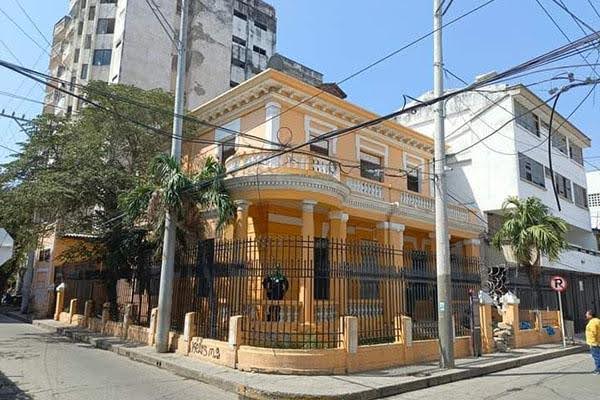
Pressing on from Casa de Los Virreyes, one finds Casa Goenaga, relatively newly built in 1916 by the governor of Magdalena, Florentino Goenaga Gómez. Latterly, it served as the San Pedro Alejandrino Library, a Colombian law library with over ten thousand books and papers.
Alianza Francesa ran an art gallery, French language academy and cultural centre from there for some years, while the Santa Marta town hall administrative offices used the building as well.
CHURCH OF SAINT FRANCIS OF ASSISI
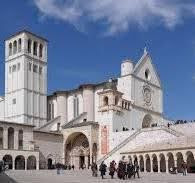
On the east side of Parque de Bolívar is the Church of Saint Francis of Assisi. It was first constructed in 1597, while in 1676 the infamous Welsh pirate Henry Morgan occupied the church and converted it into a pokey. Devastated by an earthquake in 1834, it was renovated in 1860. The Church of Saint Francis of Assisi sits on Plaza San Francisco, which once functioned as the public market.
POST OFFICE
Further along from Parque de Bolívar on Calle 16 is the well-preserved former Post Office. Built in the middle of the 18th century, it is now utilised for commercial purposes.
HOUSE OF THE MARQUIS OF SANTA COA
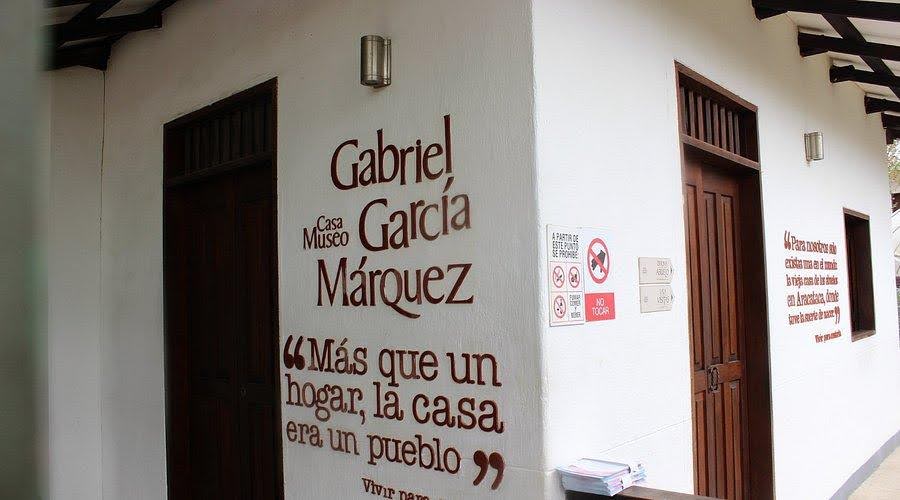
Continuing past the Post Office is the House of the Marquis of Santa Coa. This was the home to one of the wealthiest families in the city, the Mier y Benítez clan. They owned many estates, establishments and buildings throughout Santa Marta. Constructed about 1800 by Gabriel Díaz Granados, it came into the possession of the Mier y Benítez family, who subsequently lent their name to the property. Nowadays, it is used mainly for commercial enterprises.
SAN JUAN NEPOMUCENO ROYAL CONCILIAR SEMINARY
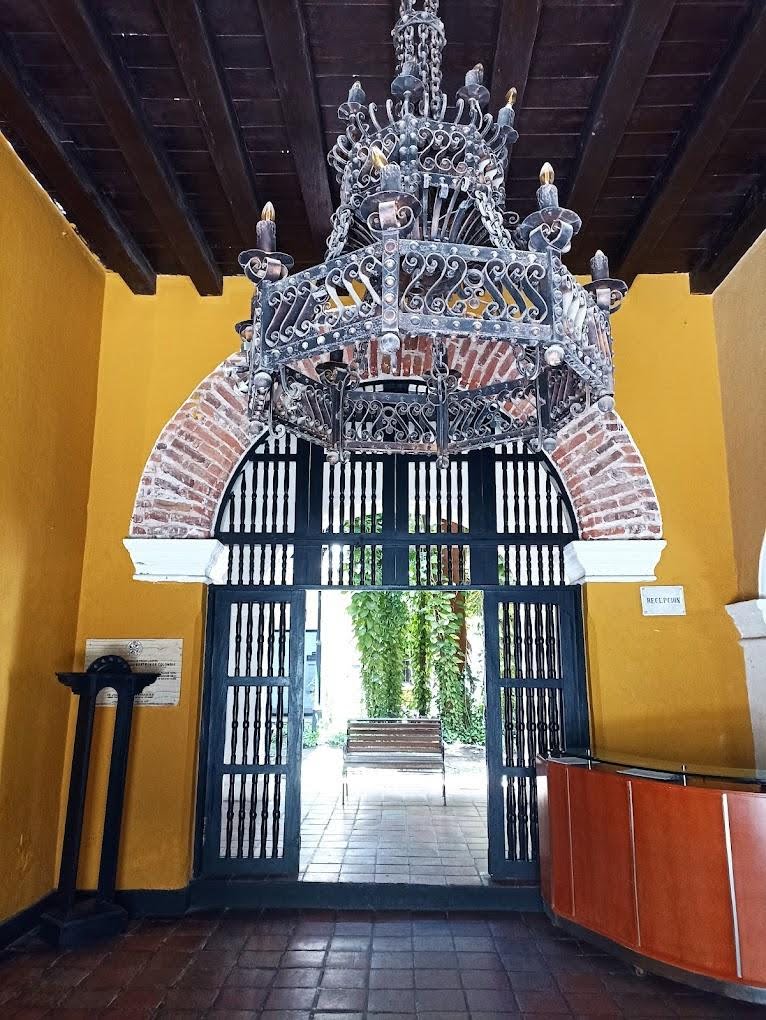
Carrera 2 incorporates the San Juan Nepomuceno Royal Conciliar Seminary, which was one of the most important religious centres during colonial times. Construction started in 1671 but was not concluded until 1811. Given its current name in 1842, it has housed several different educational institutions as well as government offices. Since 2001, it has been the home of the University of Magdalena´s cultural centre, art museum and ethnography museum.
UJUETA HOUSE
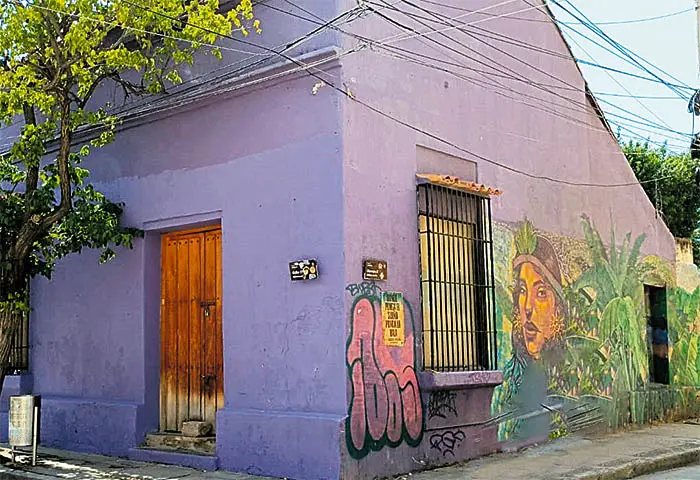
On the opposite corner is Casa Ujueta, which woefully has fallen into disrepair. The owner of this house, built in the 18th century, was Manuel Ujueta y Bisais, a friend of the Liberator Simón Bolívar. In 1837, when Ujueta learnt that Bolívar’s tomb had been vandalised, he spared no expense to have it repaired. Ujueta also assumed control of Bolívar´s remains in his house for several days to protect them until they were finally placed in the Cathedral of Santa Marta.
NOGUERA HOUSE
Close by Casa Ujueta, down on Calle 17, is Casa Noguera, which was developed during the 18th century and has been beautifully preserved. For many years, it was owned by the Noguera family. Nowadays, it functions as the city’s public registration office.
SAN JUAN DE DIOS HOSPITAL
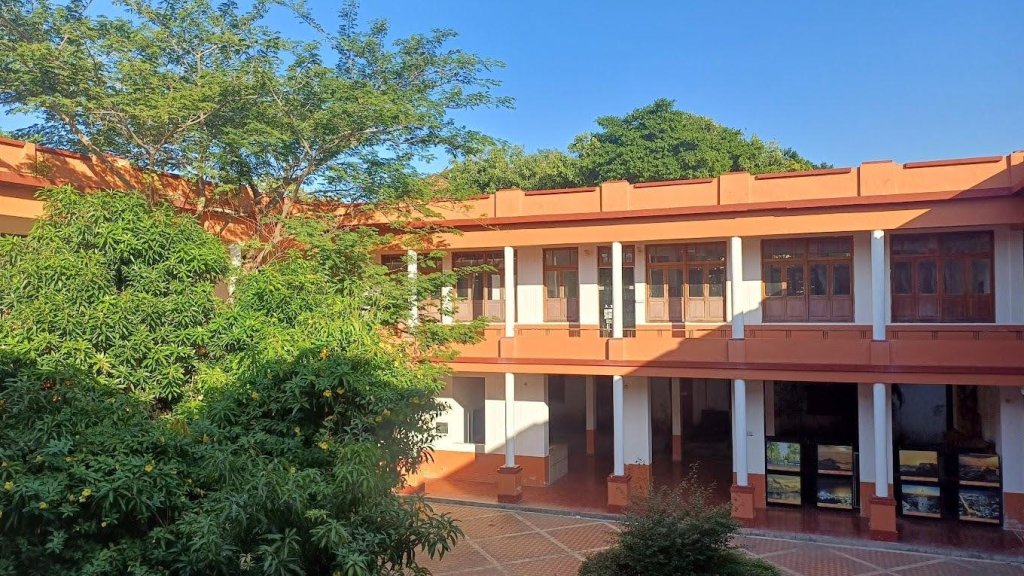
On Carrera 1, looking towards the southern end of the malecón, lies the former Hospital San Juan de Dios. Founded in 1746, it remained a hospital until 1813, when it became a barracks and subsequently a medical school. In 1880, it became a compassionate hospital until that was abandoned in 1991, when the new Santa Marta hospital was created. Currently, Magdalena’s culture and tourism office, historical archives and a passport office occupy the site.
SAN JUAN DE DIOS CHAPEL
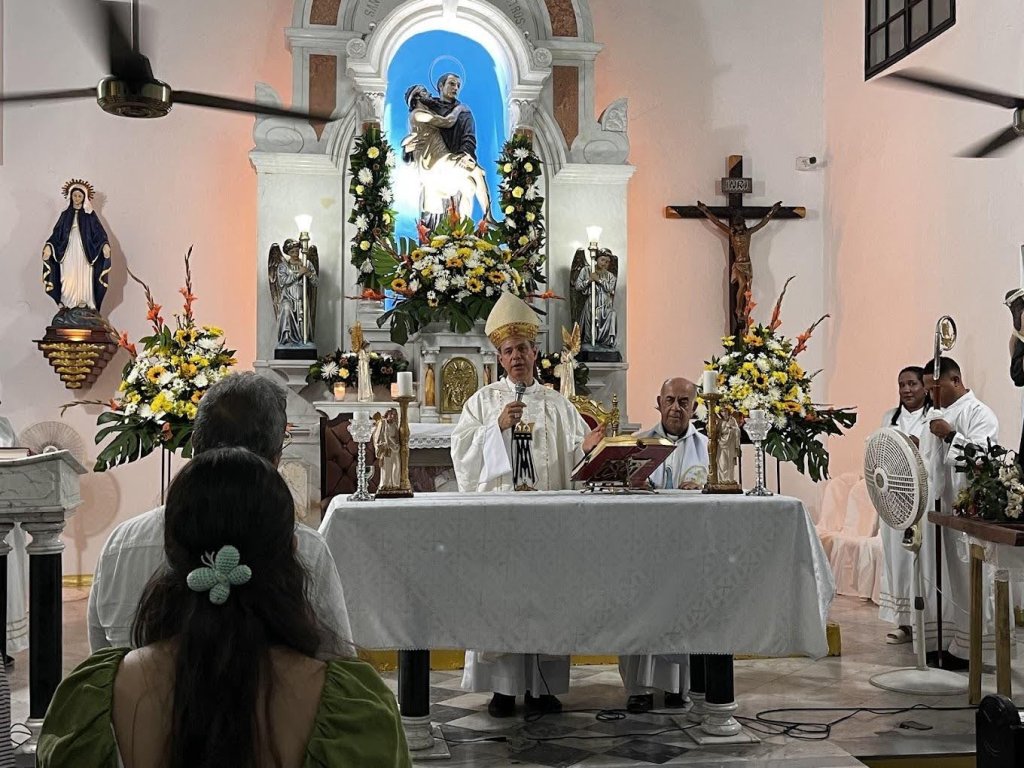
To the east of the former hospital, on Calle 22, is the San Juan de Dios Chapel. This small chantry was built in 1746 around the same time as the hospital. Friends and family of the sick and infirm who were hospitalised would come here to pray for their well-being.
GRAFFITI
Roaming around the historic centre of Santa Marta, you will come across interesting and impressive graffiti in many places. There are distinctive and extraordinary murals on numerous streets in the city that tell their own story.
ARTISAN TRINKETS
To complete this tour, there are many artisan tiendas where all kinds of arts, handmade crafts, jewellery and souvenirs of Colombia are available for purchase. The market is very close to Parque de los Novios, walking towards the seafront.
Like to create or customize a fantastico package tour of Colombia? Use our Plan My Trip page to start planning your dream Colombian vacation now!