
COLOMBIAN HANDICRAFTS PART TWO
Colombia is a melting pot of creativity where craftsmanship is not just a skill, but a form of local identity. Colombia’s diverse craft traditions and highly skilled artisans offer a fascinating window into the country’s cultural history. A technique will develop in one pueblo and take over an entire community, while the origin of each craft explains differing working patterns.
Colombia is home to a disparate and ancient tradition of craftsmanship. Wherever you go, you will find beautiful and colourful artisanal goods from jewellery and ornaments to clothing and furniture. All from the expert hands of artisans, with knowledge and skills that have been passed down through the generations.
Many of these products have a strong cultural meaning and are more than commodities. They take visually striking forms and are deeply rooted in ancestral views of life and nature. They are also the main source of income for thousands of families from rural areas with little industrial development.
Anyone who has travelled or has read about travel in South America knows that one of the most exciting and perhaps traditional things to do is visiting a local market or feria – fair. These ferias can offer you the chance to mingle with local vendors and buyers as well as get your hands on some of the finest produce and artisan goods around.
An important aspect of the Colombian crafts industry is that many of the people who earn a living from it are women from various indigenous communities. Of course, supporting these local artisans by buying a souvenir or gift for loved ones back home is so important when you visit a destination.
SO HERE ARE SOME OF THE TOP ART AND CRAFT CITIES AND PUEBLOS TO EXPLORE:
Bogotá
Artesanías de Colombia is the country’s most popular and widely promoted craft brand. In Bogotá, it has three stores, with the main one located next to the Las Aguas Church. The brand offers a carefully curated collection of high-quality national crafts, ensuring you will not find mass-produced or Mickey Mouse items.
Its diverse range includes traditional garments, modern clothing with an ethnic touch, pottery, baskets, woodwork, bags, belts, hats, jewellery, embroidery and more.
Artesanías de Colombia
Carrera 2 #18a-58 · 12861766
Closes 5:30 PM
Centro Colombiano de Artesanías Carrera
7 #22-2 a 22-98
Closes 5:30 PM
Craft Gallery Colombia Calle
16 #5-60/70
Closes 7 PM
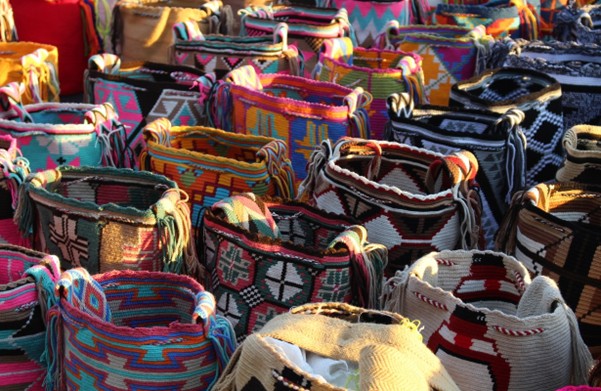 Merchandise at Artesanías de Colombia
We work with and recommend booking flights with www.kiwi.com
Pasaje Rivas Crafts Market
Carrera 10 No. 10 – 54, Bogotá
This downtown Bogotá handicrafts market, hard by the Candelaria district, the Museo del Oro and the presidential residence, presents a full Colombian handicrafts portfolio.
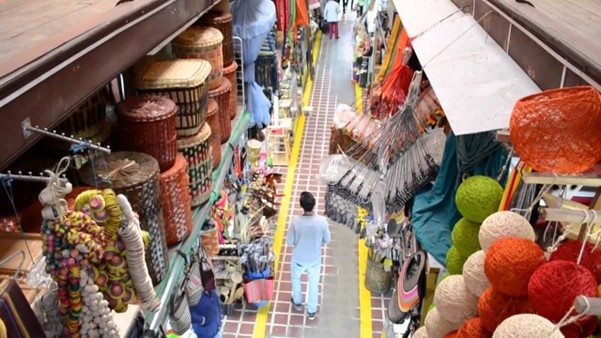 Pasaje Rivas Crafts Market
Mercado de las Pulgas de San Alejo
A truly authentic flea market, Mercado de las Pulgas de San Alejo fills a large square space in the Santa Fe locality in downtown Bogotá and is an ideal spot to search for almost everything. A stroll through San Alejo is like a treasure hunt. From vinyl records to movie posters and vintage clothing, this bohemian market is a hipster’s paradise. You never know exactly what you will find – that is all part of the fun.
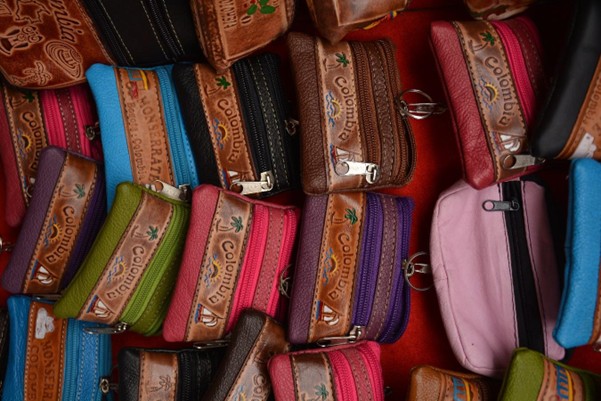 Leather purses at Mercado de las Pulgas de San Alejo
Pasaje Rivas Craft Market
A modest yet charming little market in the historic La Candelaria district, Pasaje Rivas features a thriving craft scene and is well worth visiting if you are looking for reasonably priced and authentic souvenirs. There is everything from artisan homewares to traditional Colombian ponchos here. One of Bogotá’s oldest markets, it is renowned for its lighthearted ambiance and friendly vendors.
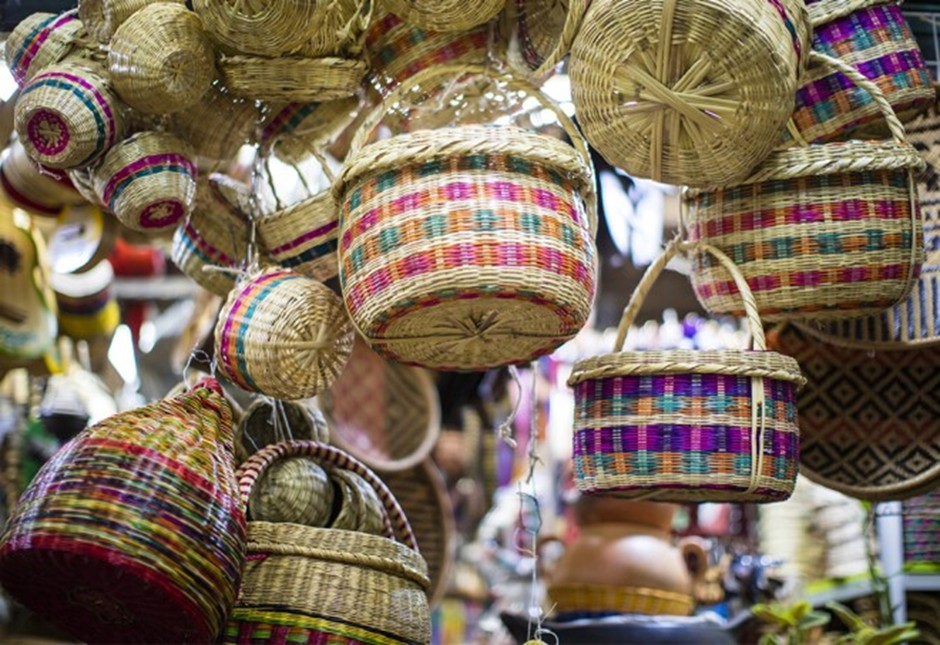 Baskets at Pasaje Rivas Craft Market
Galeria Artesanal De Colombia
A small, indoor market, Galeria Artesanal is an intimate space in which artists of Bogotá and elsewhere in Colombia promote their creations and establish direct commercial contact with their clients. The mission of the gallery is clear – to celebrate and share the cultural richness of Colombia.
Each item reflects the dedication and skill of artisans who imbue their creations with the spirit of their regions. The gallery continuously innovates, showcasing new designs to suit the tastes of a diverse clientele, whether local or international. It is a very different experience from the sprawling and somewhat hectic flea markets and it’s also an effective way to promote independent businesses and artists.
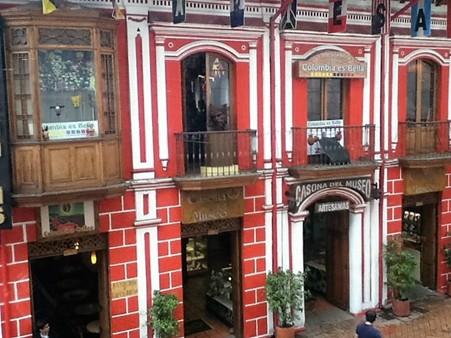 La Casona del Museo / Galería Artesanal de Colombia
Paloquemao Market
This is one of Bogotá’s most important markets, brimming with fresh fruit, vegetables, meat, fish, dairy, and flowers. This market is a real treat for the senses, attracting locals and tourists with its eclectic colours, tastes, and smells.
A fantastic cultural experience, giving visitors the chance to shop like a true Colombian. You will be sure to find almost any cooking ingredient you can think of in the Paloquemao market. Open on weekdays from 5 AM – 4:30 PM and on weekends from 5 AM – 2 PM.
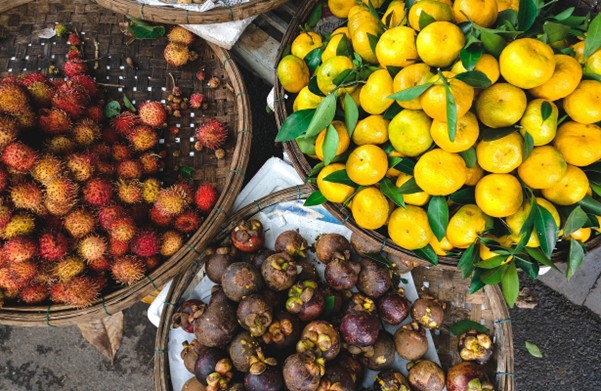 Paloquemao Market
Whatever barrio you might be staying in, there are bound to be tiendas artesanales/artisan shops close by, so ask a local.
Medellín
Envigado Flea Market
A monthly flea market in the main plaza of the delightful Envigado neighbourhood, this market is the perfect place to visit if you are after traditional Colombian souvenirs to take back home from your trip. Traditional woven ponchos and hammocks to typical hats and bags from the Antioquia region. There are also leather and wool artisans plying their trade, as well as typical street foods and drinks to enjoy.
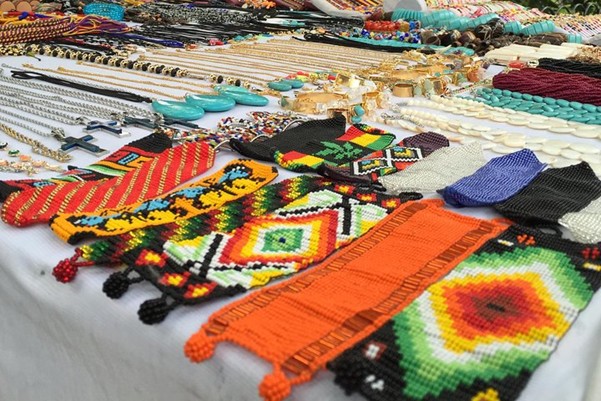 Envigado Flea Market
Mercado del Río
This is Medellín’s newest gastronomic market and is a huge space with about fifty small restaurants, food stalls and bars. It is unique within Colombia as there are restaurant styles from all over the world as well, not just Colombian classics.
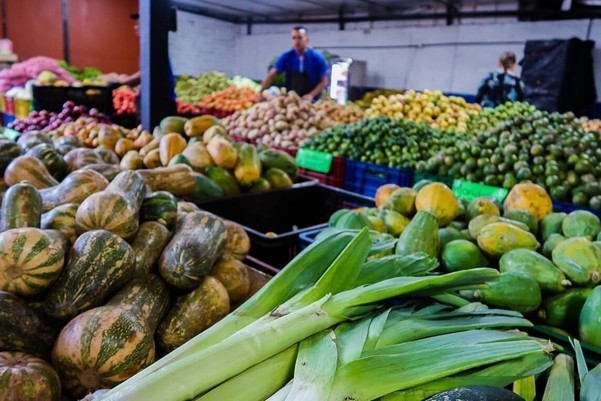 Mercado del Río
El Pulguero
This market is an absolute local favourite, but only takes place four times a year, on the third weekends of March, June, September, and December. Held outside the city in the charming Llanogrande area, El Pulguero takes place for three days and there are hundreds of stalls selling everything from quality food to beautiful artisanal products. The stalls sell the highest quality of produce, so be prepared to pay slightly more than usual.
 Begin organizing your dream Colombian getaway right away by using our Plan My Trip page!
San Alejo
Held on the first Saturday of every month in Parque Bolívar, San Alejo is a fun and colourful craft market with a friendly, family atmosphere. With plenty of cheap local souvenirs and artisan products for sale, San Alejo is well worth a quick visit.
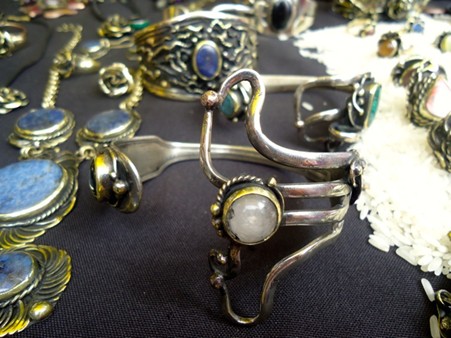 San Alejo market
San Fernando Plaza
This is a smaller flea market and a more intermittent one, near Avenida Poblado. The location of the San Fernando Plaza market alongside Medellín’s hippest modern neighbourhood means that there are plenty of equally hip and cool goods for sale, including organic lotions and sunscreen, handwoven charms and accessories.
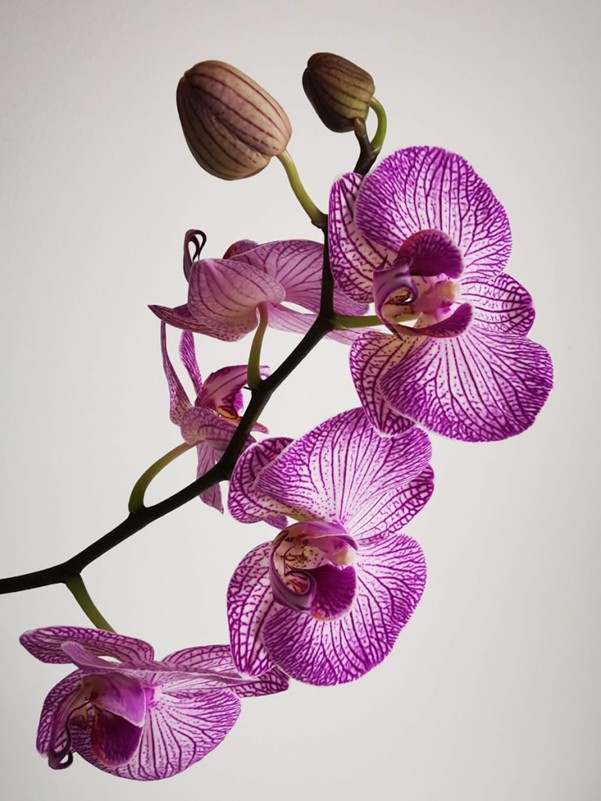 Orchids at San Fernando
Jericó
A colourful pueblo, this is a place where visitors can experience authentic, traditional culture. The pueblo is a rich centre for leather arts and crafts, like the typical anitoqueno purses called carriels. There are also lots of wallets, belts, and handmade saddles. Like other pueblos in southern Antioquia, it has a plaza in the centre surrounded by shops where you can buy typical handicrafts made of leather and delicious cardamomba sweets/candy.
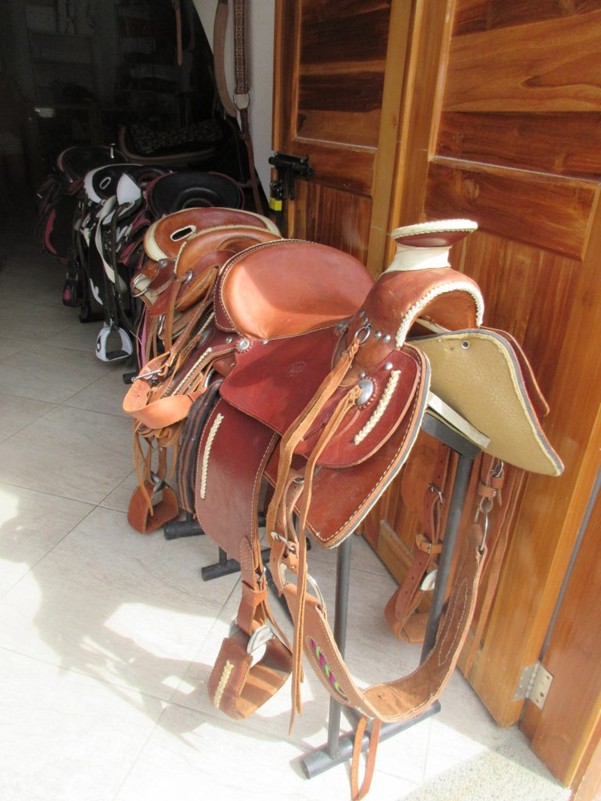 Leather goods in Jericó
Cartagena
Mercado de Bazurto
This market takes you out of the charming old city and into the depths of local life in Cartagena. The Mercado de Bazurto is rowdy, raucous, and enormous. It is filled with intriguing items and the freshest and exotic Colombian ingredients not to be found in the supermarkets.
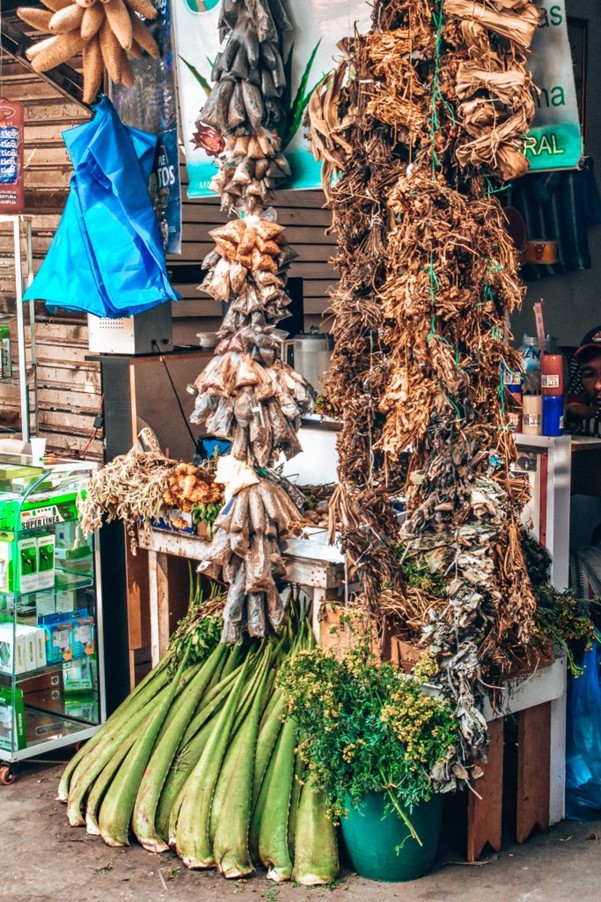 Mercado de Bazurto
Las Bóvedas
Perhaps the most famous of the markets in Cartagena, Las Bóvedas is an arcade underneath the wall of the Old Town right by the sea. It contains different shops selling souvenirs, traditional Colombian clothing, jewellery, paintings, and much more.
Originally built as dungeons in the 18th century Antonio de Arevalo, Las Bóvedas were used as storage units and later, as prison cells. Now, it is home to some of Cartagena’s most sought-after antiques and handicrafts. This bustling marketplace is never short of something interesting to look at and is a cultural gem of the beautiful Old Town of Cartagena.
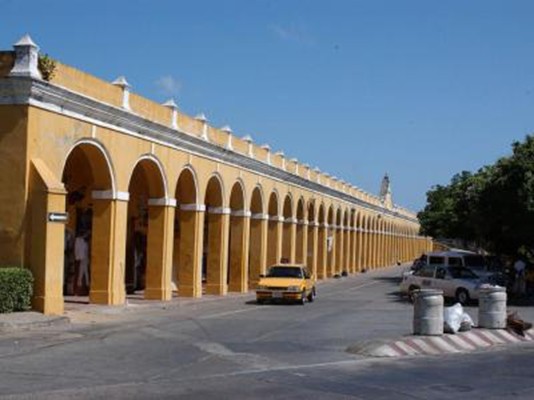 Las Bovedas / The Vaults
Portal de Los Dulces
Located under the arches at Plaza de Los Coches, directly across from the beautiful Clock Tower Gate, the famous Portal de Los Dulces is a market that caters only to your sweet tooth.
Endless traditional Colombian sweets are displayed in large and small glass jars. From coconut, everything to rock candy and fresh fruit, the vendors at Portal de Los Dulces have been selling these handmade local goodies for more than 100 years under the arches.
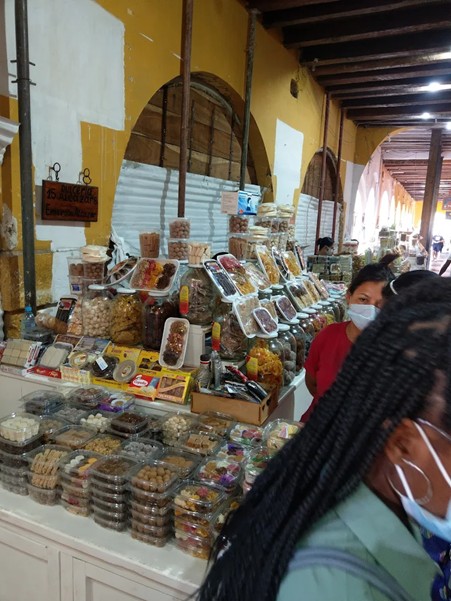 Portal de Los Dulces
San Diego Plaza
This is a small square located around the corner from the former house of Colombia’s national treasure, Gabriel Garcia Marquez, and the famous Las Bóvedas marketplace. During the daytime, this picturesque plaza is a quiet and restful place to relax.
As the sun goes down, local vendors come out to showcase local art, jewellery, and souvenirs. Performers and impersonators entertain the crowds while food stalls and restaurants surround the plaza.
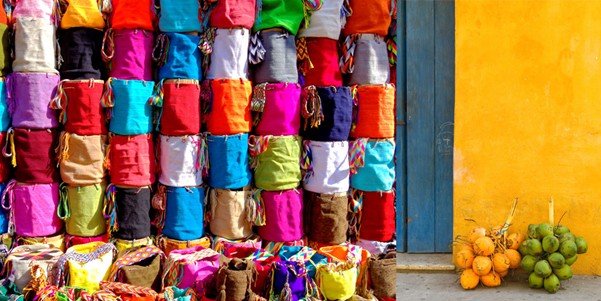 San Diego Plaza
Ráquira
A small pueblo that sits at an altitude of 2,150 metres/7,050 feet in the mountains of Boyacá, a short couple of hours outside of Bogotá. The pueblo dates back to the indigenous Muisca who lived here long before the Spanish conquest. Ráquira, meaning City of Pots, has always been famous for its ceramics, pottery, and handicrafts. Pottery fragments have been found dating back 8,000 years.
A colony of pottery artisans lives in the pueblo, with more than 80% of the inhabitants making a living producing traditional Andean pottery with clay manually extracted from local clay mines. The small pueblo is awash in colour, with the streets lined with souvenir shops. Ráquira has been declared a UNESCO World Heritage Site.
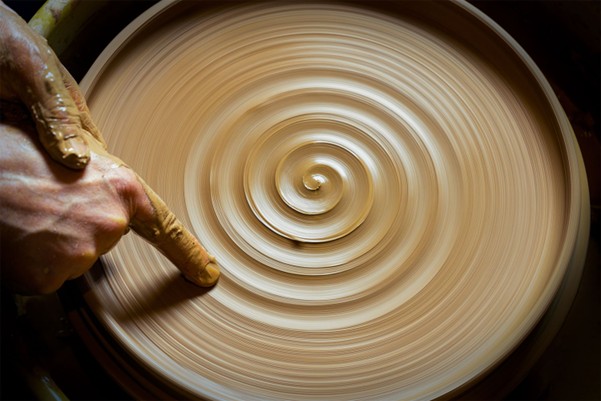 Potter at work
Barichara, Santander
Often considered the most beautiful pueblo in Colombia, Barichara has a rich history of stone carving and pottery, as well as more modern crafts like textiles and wood carvings.
A cobblestoned pueblo flush with magenta bougainvillea and low-slung whitewashed buildings, Barichara continues the profound craftsmanship and artisan traditions of the verdant region. Barichara has a long and elegant artisan tradition, stone working is particularly strong, given the wealth of raw materials in the region and the centuries-old neophyte system.
However, there are also artisans in ceramics, textiles, paper, and more. The pueblo’s best boutique craft shops are something special. You can weave with the local agave fique fibre, learn about the regional specific indigo practices, weave baskets, and make your own paper.
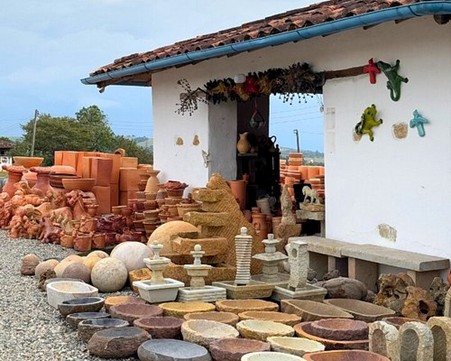 Barichara
Villa de Leyva
This stunning pueblo, known for its well-preserved Spanish colonial architecture, is also a centre for traditional crafts like weaving and pottery.
Stroll through the pueblo and you will see street after street filled with artisan workshops and tiendas. Be sure to check out Alieth Tejido Artesanal, a co-operative of local women who weave beautiful woollen handicrafts and wearables such as sweaters and ruanas (ponchos). Alma Bazar is a quaint shop in a four-century-old casa that also houses an interesting art gallery and cafe.
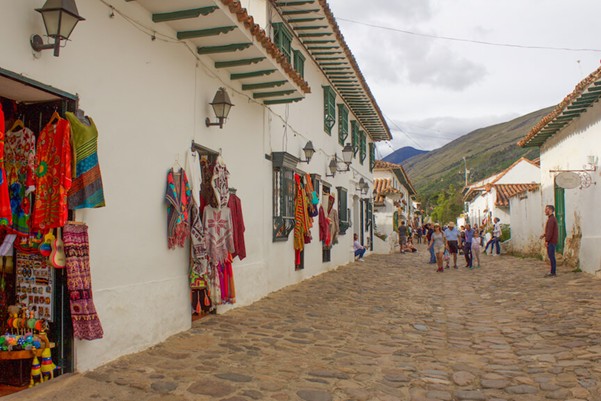 Villa de Leyva
San Jacinto
Hammocks are made all over Colombia. But the most famous are those woven in the pueblo of San Jacinto, in the Bolívar Department in Northern Colombia. It is a craft centre where the people, mostly women, specialize in weaving colourful hammocks on large, vertical looms with cotton thread and natural dyes.
The artisans use different weaving techniques and create various designs using traditional symbols, embroidery, and stripes. San Jacinto is less than 100 km/62 miles from Cartagena, a trip of 2 hours.
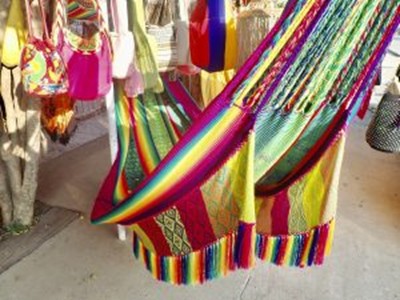 Hammocks in San Jacinto
Santa Cruz de Mompox
For most of its history, Mompox has been associated with the production of fine gold and silver filigree jewellery. This is a process whereby the metal is melted down and made into a thread before being delicately transformed into detailed pieces of jewellery.
The tradition no doubt grew out of Mompox’s stockpile of gold and silver. As a result, it attracted goldsmiths and silversmiths from Spain who settled in the pueblo and combined their own skills with those of existing Colombian artisans to create this very unique type of art. You can see how filigree is made at a number of workshops in the pueblo.
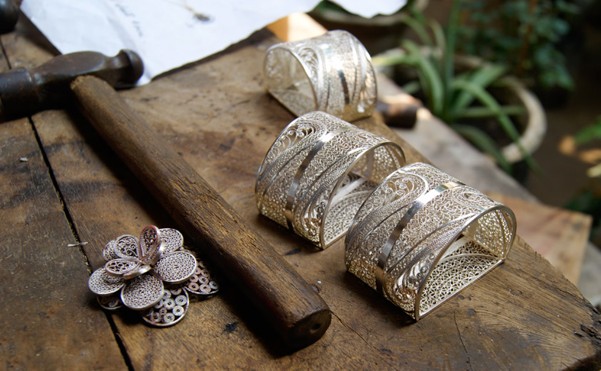 Filigree
El Carmen de Viboral
A small pueblo of about 50,000 people, an hour east of Medellín, it is famous for its colourful, floral ceramic tableware. The town is full of pottery shops and workshops, making it a perfect day trip to learn about Colombian ceramics and to pick up some bargain souvenirs.
A cradle of artisan ceramics, Carmen de Viboral is home to a bounty of family-owned workshops in which intricately crafted ceramics are sculpted, hand-painted, and double-baked to create high-quality ceramic pieces. The trade in this area has a denomination of origin declaration certifying that the items are made in this specific region, which has been famed for its ceramic making since 1898. These handmade, painted designs are often inspired by the local landscapes and flora, which offer an insight into the culture of the Carmen de Viboral region.
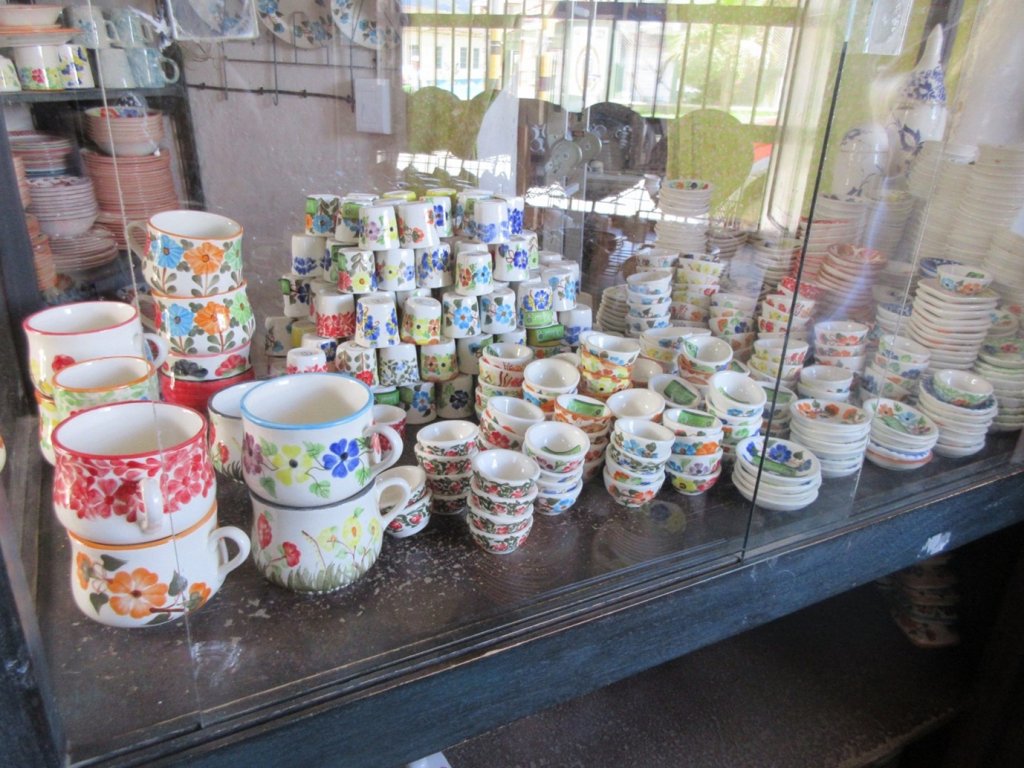 Ceramics in El Carmen de Viboral
Nobsa
Only a three-hour drive from Bogotá, Nobsa has all the charm of Boyacá’s colonial villages with a twist. The tiendas (shops) around the plaza offer ruanas in every possible size, colour, and style.
One might feel tempted to just look around and perhaps get a glimpse of the looms and the artisans. However, when the sun begins to set over the Andes and the chilliness of Boyacá creeps into your bones, you will want to reach for one of those ruanas.
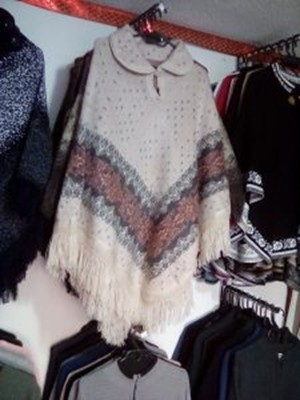 Ruanas in Nobsa
La Chamba, Tolima
Right in the centre of Colombia, in the department of Tolima on the banks of the Magdalena river, lies the picturesque pueblo of La Chamba, where the art of black pottery has been perfected over generations.
The tradition of black pottery in La Chamba dates back to the indigenous Tolima people, who lived in the area long before the Spanish arrived in Colombia. For cooking, eating, storing food, making ceremonial objects, and even jewellery, the indigenous people used black pottery.
The black pottery of La Chamba is made from a special type of micaceous clay found only in the area. This clay belongs to the residents of La Chamba and is obtained from the fields of local farmers. A fine red clay slip is applied to the pottery before firing, and the finished pieces are hand burnished to a fine sheen using local Agatha stones.
Chamba pottery is highly regarded for its beauty, practicality, and its ability to enhance cooking. This type of pottery is not only an object but also a living tradition that connects generations. The potters of La Chamba take pride in their heritage and actively work to preserve this ancient tradition, serving as a reminder of the beauty and diversity of Colombian culture and stands as a timeless symbol of the rich history and artistry of La Chamba.
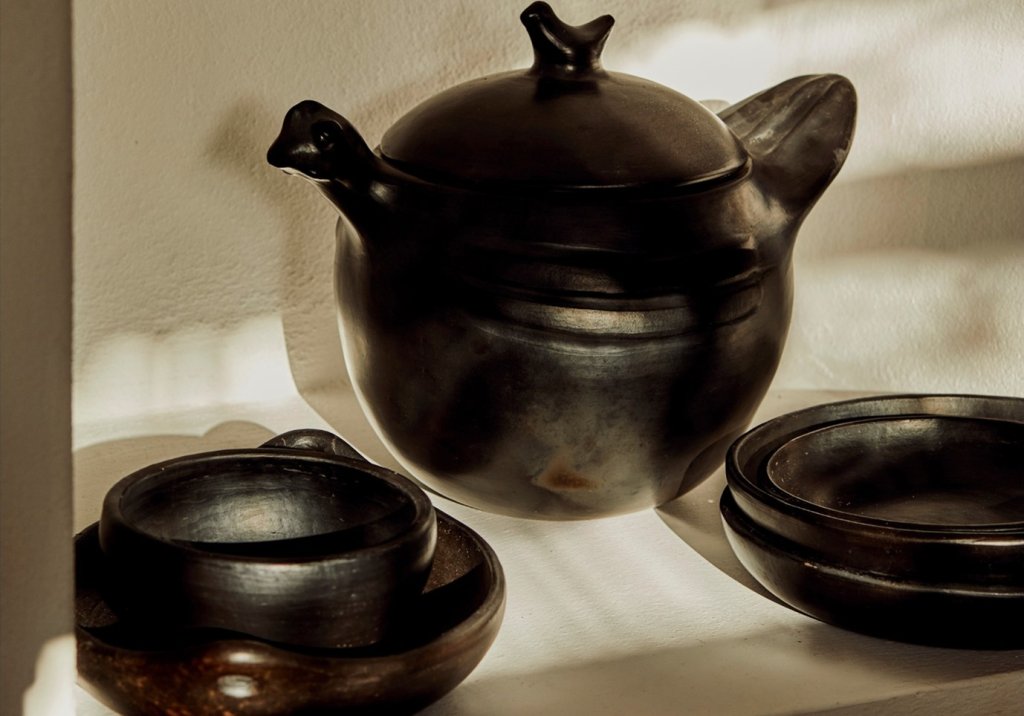 The black pottery of La Chamba
Filandia, Quindio
Filandia is still very much a hidden gem in the Zona Cafetero, a lush and beautiful region of Colombia. Rolling hills, the tallest palm trees in the world, colourful colonial pueblos, a laid-back atmosphere, and many coffee farms producing some of the best coffee in the world.
The so-called Eje Cafetero is a must-see for any traveller to Colombia. Salento is the most popular and famous pueblo; however, there is one place you should definitely consider, especially if you are looking for somewhere less touristy and off the beaten path – Filandia.
If you enjoy shopping for arts and crafts, you will be in heaven in Filandia. Fabulous handmade jewellery with so much to choose. Wander towards Mirador Encanto Filandia, where you will find a lovely Artesanias market.
Filandia is famous for its basketry, and it is highly recommend that you visit the basket weaving museum, the Centro de Interpretación del Bejuco al Canasto. They run fun and interesting workshops where you can make your own basket.
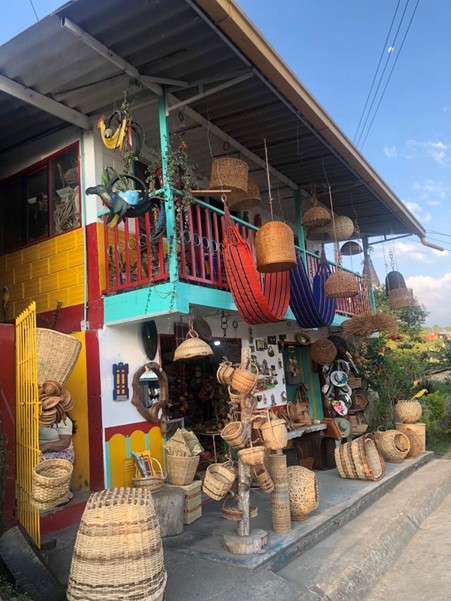 Filandia
Colombian Coffee
Colombian coffee is low-hanging fruit when looking for souvenirs. World-famous for having exceptional quality and flavour, this gift is going to be much appreciated and will actually get used. Visit the Coffee Axis/Eje Cafetero. This region includes the cities of Armenia, Manizales, and Pereira and is well known for its lush coffee farms and scenic landscapes.
The best coffee beans to buy in Colombia may vary by preference, but the country is known for its Arabica beans, which have smooth, nuanced flavours. Look for coffee labelled as single origin, which means it is sourced from a specific region or even better, a single farm.
Another Colombian coffee experience that you should try is Juan Valdez. Not because it is amazing, but because it is a classic. The farmer on the logo is a fictional character associated with the National Federation of Coffee Growers of Colombia and has become an iconic symbol of Colombian coffee production.
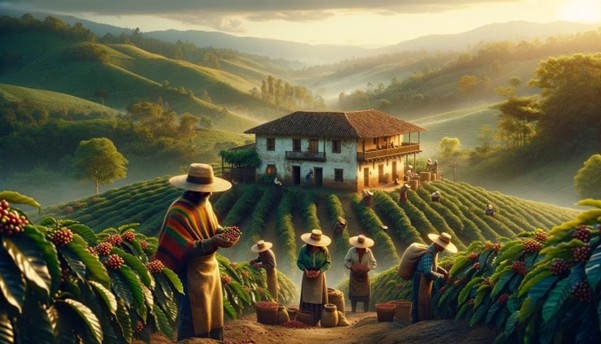 Coffee finca / farm
Like to create or customize a fantastico package tour of Colombia? Use our Plan My Trip page to start planning your dream Colombian vacation now!