
INSULAR NATURE TOUR
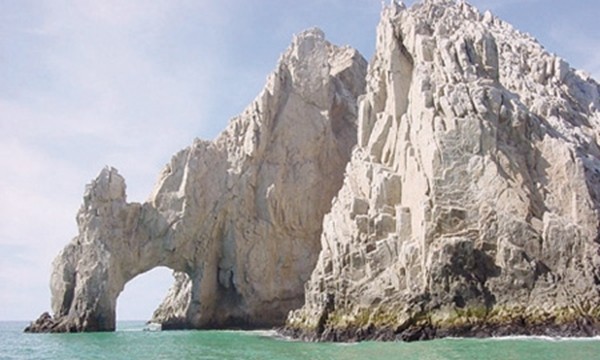 Colombia’s unique islands appeal to nature lovers
We work with and recommend booking flights with www.kiwi.com
The Insular region of Colombia is not a true region as such, but it is composed of all of Colombia’s remote islands along the continental coasts.
The Colombian insular system is composed of a series of islands and cays of different origin and composition that emerge in the Pacific Ocean and the Caribbean Sea.
Such is the case of the San Andrés and Providencia archipelago on the Caribbean side and the Malpelo and Gorgona islands in the Pacific Ocean, even with such great distances between them. Together, it comprises around twenty-one continental and oceanic islands: four in the Pacific Ocean and seventeen in the Caribbean Sea.
Colombia is a fortunate country in that it has an extraordinary diversity of flora, fauna, fruits, and culture thanks to its privileged location. It is enriched by a series of natural treasures that beautify its coasts, providing tourists and locals with a unique wealth of experiences and landscapes.
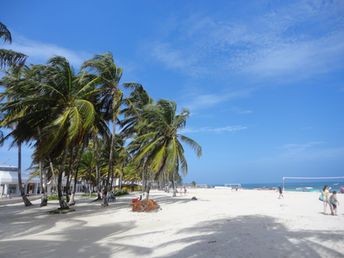 San Andrés
Among these treasures, the glorious islands that adorn the waters of the Caribbean and the Colombian Pacific stand out. These pieces of paradise on earth, surrounded by crystal clear waters and surrounded by vibrant biodiversity, tell stories that are intertwined with the country’s history and offer a range of unique activities.
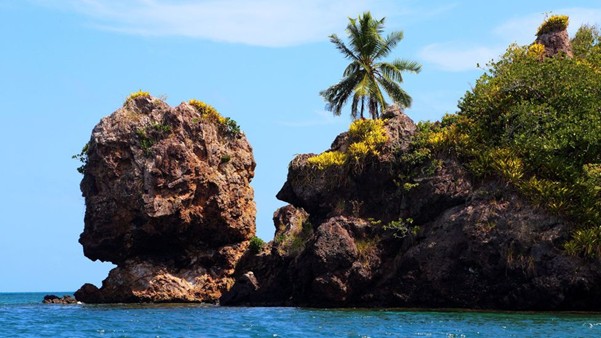 Morgan’s Head is named after the legendary pirate who is said to have stashed treasures here
The charm of the Colombian islands goes beyond simple scenic beauty. Each one has its own personality or characteristic, where its cultural richness contributes to the unique narrative that is this country. From Caribbean islands where these Caribbean influences mix with Afro-Colombian heritage, to hidden gems in the Pacific, surrounded by lush rainforest, these islands are much more than tourist destinations. They are silent witnesses to history, culture, and biodiversity that identify this South American country.
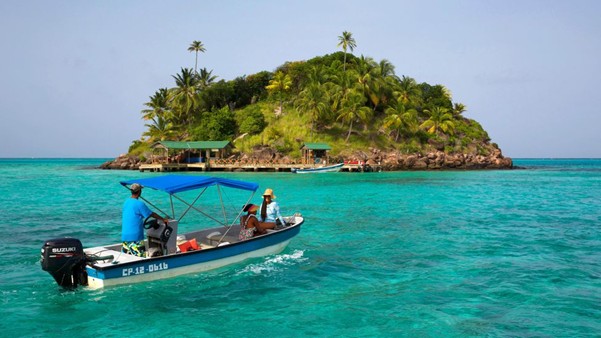 Providencia
Climate differs greatly between the two archipelagos. The Caribbean islands have a dry climate with defined rainy seasons, while the Pacific islands are humid, rainy year-round, and rich in flora and fauna. The warm, clear waters around the Caribbean islands create ideal conditions for coral reefs, making them perfect for diving in Colombia.
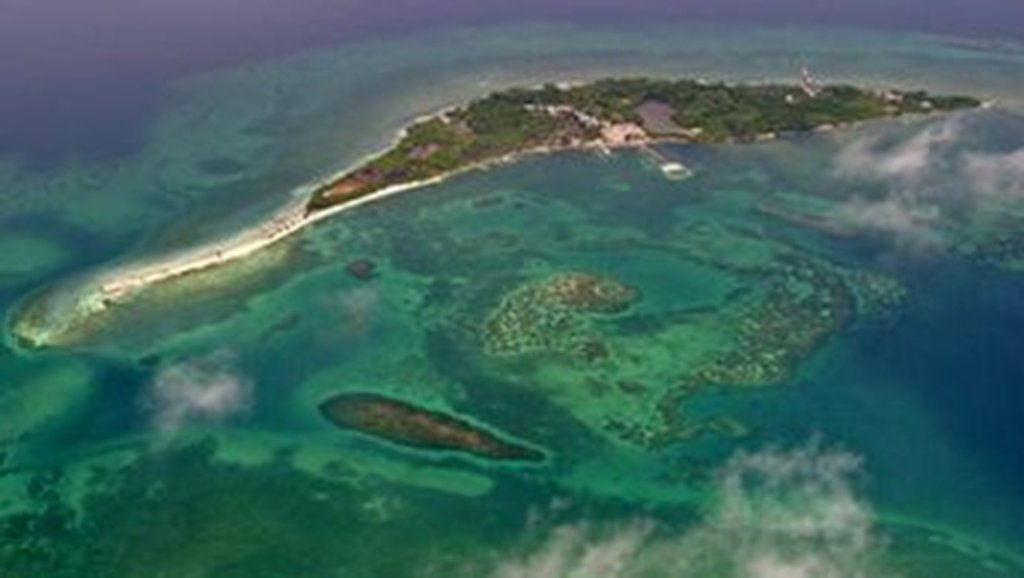 San Bernardo (Islas del Rosario)
Begin organizing your dream Colombian getaway right away by using our Plan My Trip page!
Each year from July to November, humpback whales migrate from Antarctica to Colombia’s Pacific coast to mate and give birth. But the magic of the Pacific is not just in the whales—it’s also in the sharks.
Malpelo is the habitat of the famous hammerhead shark. Here, swarms of hammerheads and silky sharks thrive, making it a highly popular shark diving expedition location.
Declared a UNESCO World Heritage Site in 2006, the island requires visitors to obtain a permit from Colombia’s Ministry of Environment.
In 1985, Colombia acquired Gorgona Island and designated it a National Park. Once a prison island known for venomous snakes, it’s now an ecotourism hub and prime whale-watching spot. Gorgona is a veritable Garden of Eden from the point of view of diversity, as well as an invaluable place for scientific research. Ideally located in the Pacific Ocean, it is part of the department of Cauca. The island’s rainforests and coral reefs host diverse marine life and numerous colonies of migratory birds.
Yet in the Pacific, coral reefs struggle to form due to unstable salinity, deeper waters, turbidity, and strong tides. Consequently, they have a smaller extension and fewer species compared to the Caribbean.
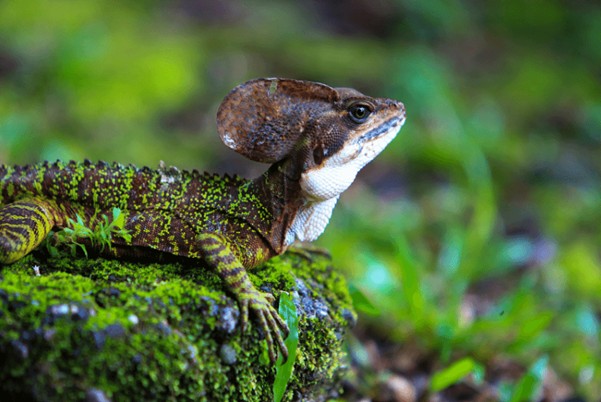 Gargona Fauna
Gorgona is not only a paradise for the scientists who come to study the unique species of the island. Travelers and nature lovers can explore lush trails, rich wildlife, scenic beaches, historic ruins, and great spots for snorkeling and diving.
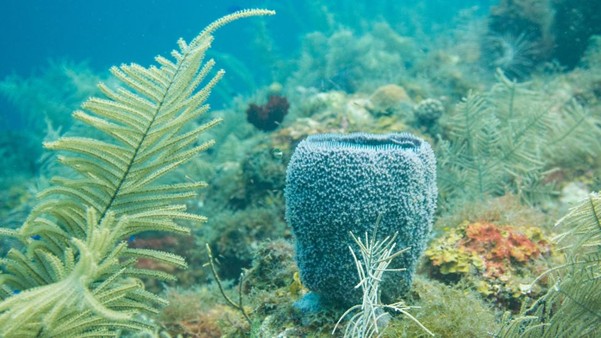 The third-longest barrier reef system on Earth runs along Providencia’s coast
On the Caribbean side, the archipelago of San Andres, Providencia, and Santa Catalina consists of two island groups and eight outlying banks and reefs. The main islands of San Andres and Providencia are highly influenced by English, French, and African heritage. Besides its stunning beaches, the island’s northwest coral reef and keys host diverse wildlife, drawing nature lovers seeking unique experiences.
The Colombian Natural Park of Islas del Rosario is one of the country’s most important nature reserves and is located primarily underwater in the shape of mangroves and coral reefs.
Surrounded by a picturesque mixture of blue and turquoise waters that have shaped the rocky islands and their wonderful white sandy beaches. Visiting Isla Grande and the rest of the keys is a never-ending, magical trip.
Colombia’s Insular Region is a region of contrasts, offering a wide variety of landscapes given its unique biodiversity, ranging from tropical vegetation to marine fauna. This region features beautiful towns, but also its wide variety of beaches characterized by their white sand and crystal clear waters, makes it ideal to enjoy water activities like scuba diving, snorkelling, kayaking, fishing, windsurfing, sailing, and water skiing.
The region also features numerous natural parks that offer a unique experience to enjoy nature.
The main natural parks include:
- Old Providence McBean Lagoon National Natural Park
- Tayrona National Natural Park
- Rosario and San Bernardo Corals National Natural Park
- Gorgona National Natural Park.
The Insular Region of Colombia is an ideal destination for nature lovers who also appreciate adventure.
Like to create or customize a fantastico package tour of Colombia? Use our Plan My Trip page to start planning your dream Colombian vacation now .