
Amazonian Cuisine:
A Journey Through Exotic Flavors, Biodiversity, and Tradition
The cuisine of the Amazon is nearly as exotic as the Amazon itself. With an incredible abundance of fish and strange, seductive fruits, the subsistence here is surprising, tasty and simply unique. The Amazon forests, lands and waters have for millennia provided a diverse cornucopia of food and ingredients that have transformed biodiversity into gastronomic pleasure. With many thousands of differing plants, voluminous species of fish and an incredible amount of fruit varieties, the Amazon pantry is bursting with potential. A walk through the lush rainforest is like stepping into nature’s storeroom.
The unique biodiversity of the Amazon provides a diverse array of ingredients that form the basis of the local cuisine. These ingredients, harvested sustainably by the indigenous communities, are a testament to the symbiotic relationship between the people and the forest. In times of old, the Amazonian diet was primarily based on cassava (yuca), a root vegetable that remains today a staple food in the region. Other essential components included fish, wild game, fruits, nuts and a large selection of edible plants and insects, each harvested sustainably from the surrounding forest. The natives recognized the seasonal cycles of the forest and understood when to gather different fare, which resulted in a diet that was diverse, nutritious and in harmony with nature.
We work with and recommend booking flights with www.kiwi.com
The arrival of European colonizers in the 16th. century brought significant changes to the Amazonian diet. New constituents including rice, beans and sugar were introduced and many of these have since become integral parts of Amazonian cuisine. However, despite these influences, the core principles of the traditional Amazonian diet – sustainability, seasonality and biodiversity – have largely remained intact.
By exploring these exotic flavors through the different dishes of the Amazon, it is possible to understand the intricate relationship between nature and nourishment, between culture and cooking and how these elements have shaped the Amazonian diet through the ages. From the staple ingredients harvested sustainably from the forest to the cultural significance of food preparations wrapped in banana leaves, experience the diverse facets of Amazonian cuisine.
These diverse arrays of foods from the rainforest offer a rich tapestry of flavours, nutrients and known health benefits, reflecting the immense biodiversity of this unique ecosystem.
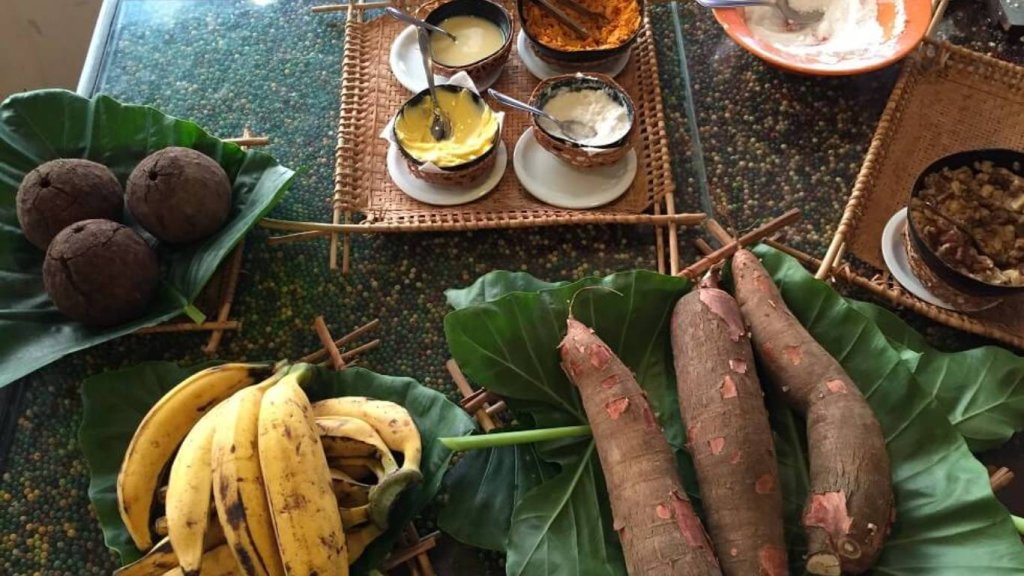
Basic Predominant Amazonian Staples
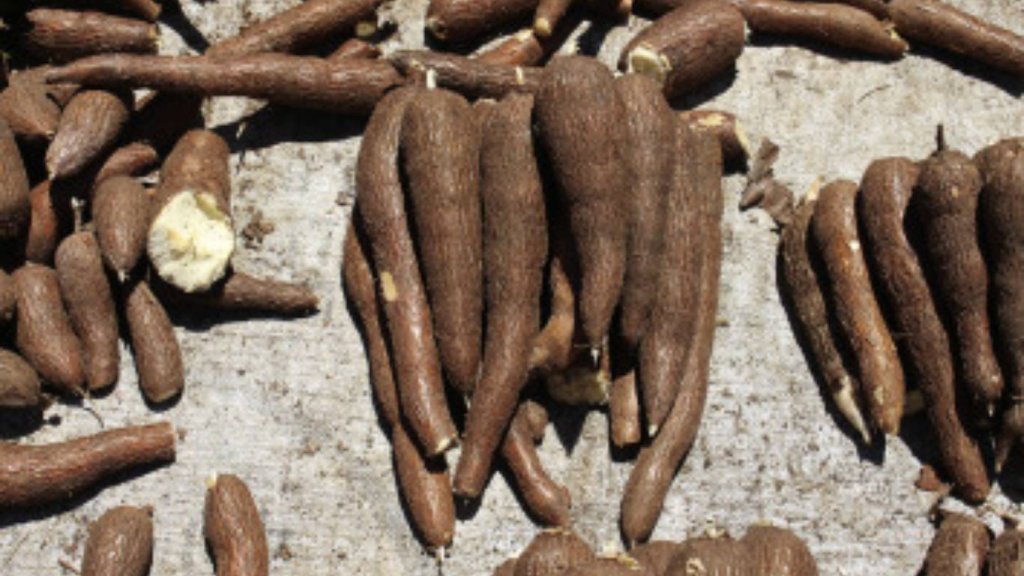
Cassava
Also known as manioc or yuca, this is a starchy root vegetable that has been a staple in the Amazonian diet for centuries. It is highly versatile and can be used to make flour, bread, soups and even libations.
Fish
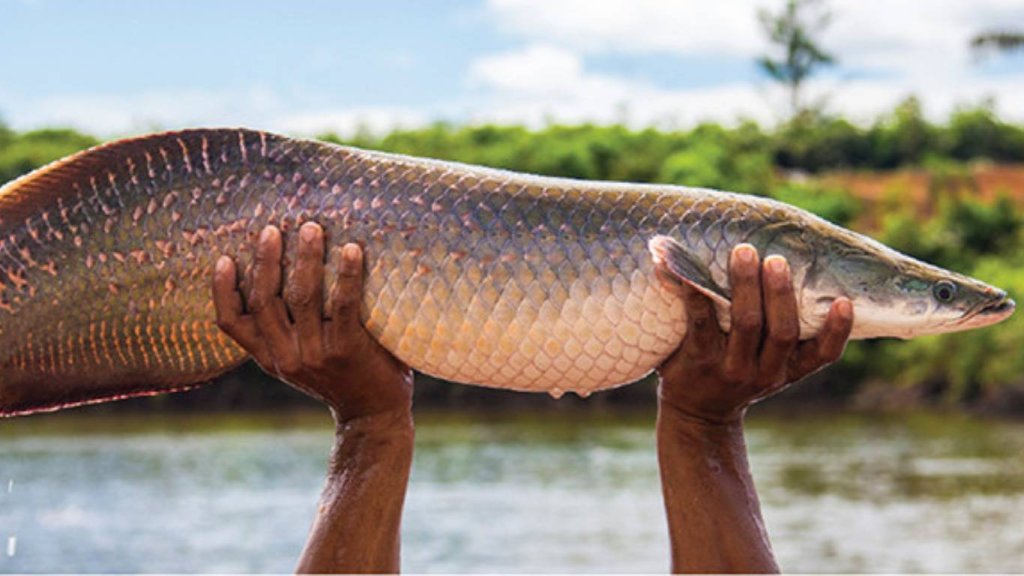
With the Amazon River and its tributaries teeming with thousands of varying types of fish, it comes as no surprise that fish is a crucial part of the Amazonian diet. Many freshwater fish abound with pirarucú and tambaqui being the most popular ones consumed.

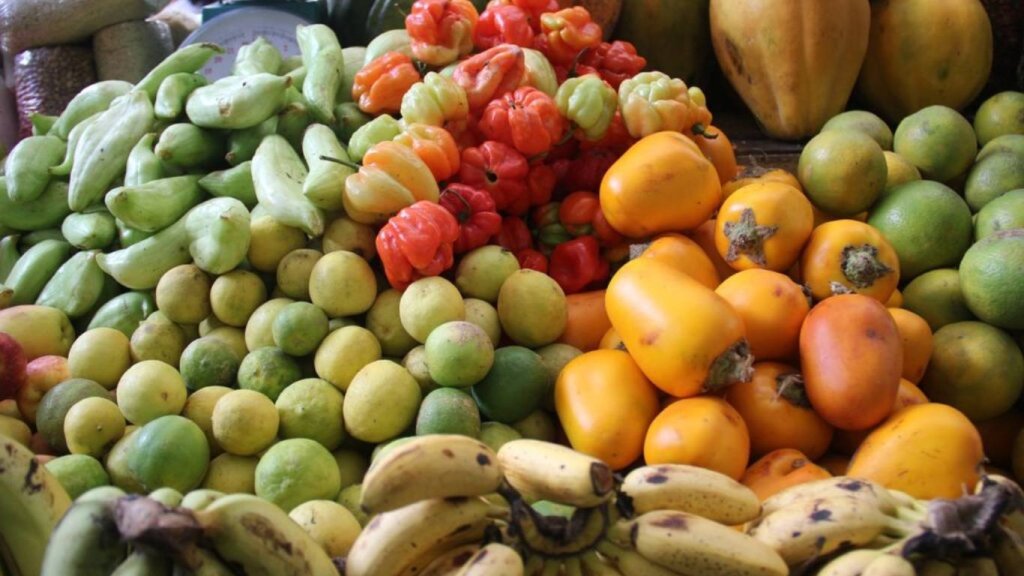
Fruits
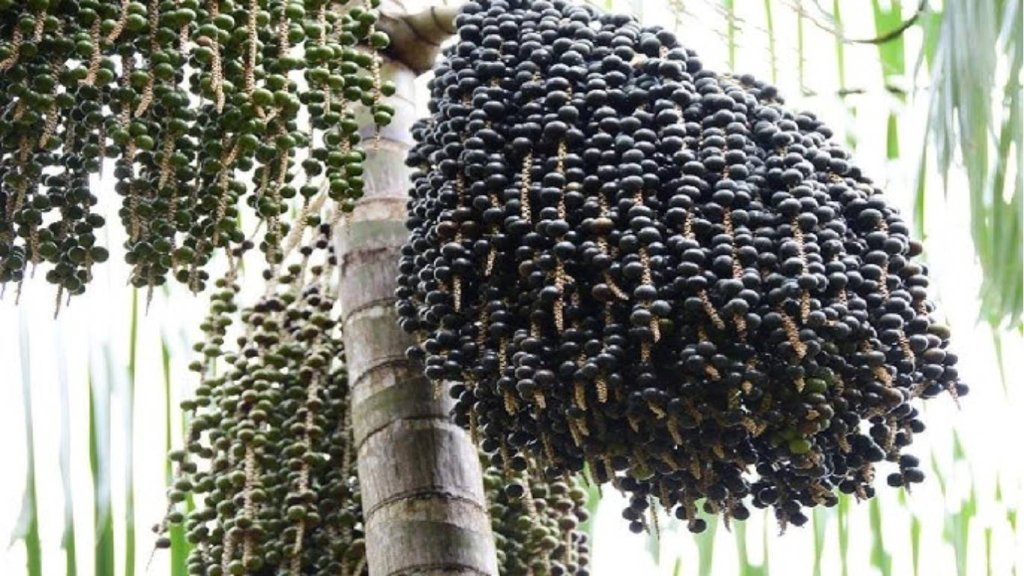
The Amazon jungle is home to a multitude of exotic fruits, many of which are unique to the region. These include acerola, cupuaçu, açaí, camu-camu and graviola, all of which are rich in essential vitamins and minerals
.
Nuts and Seeds
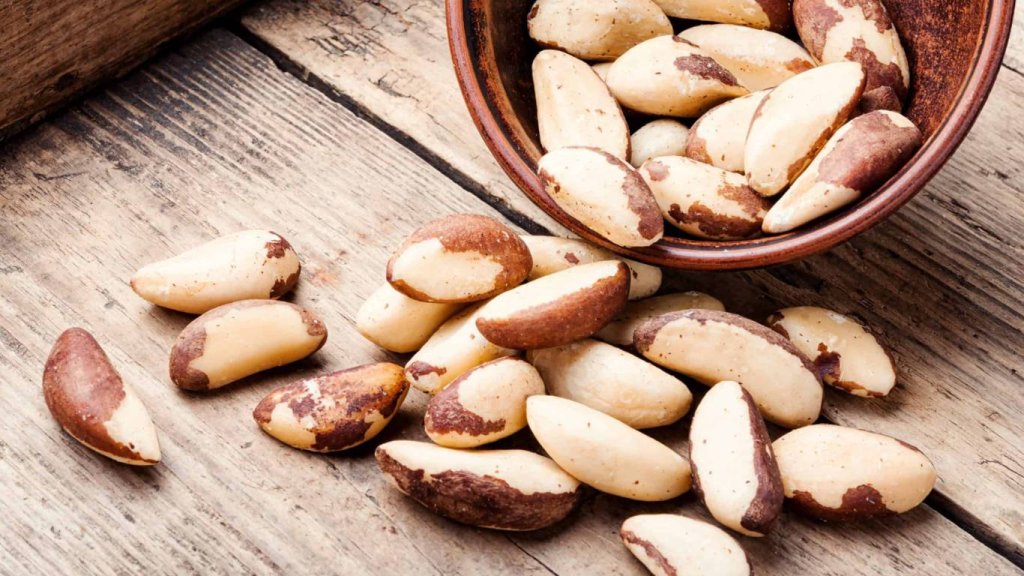
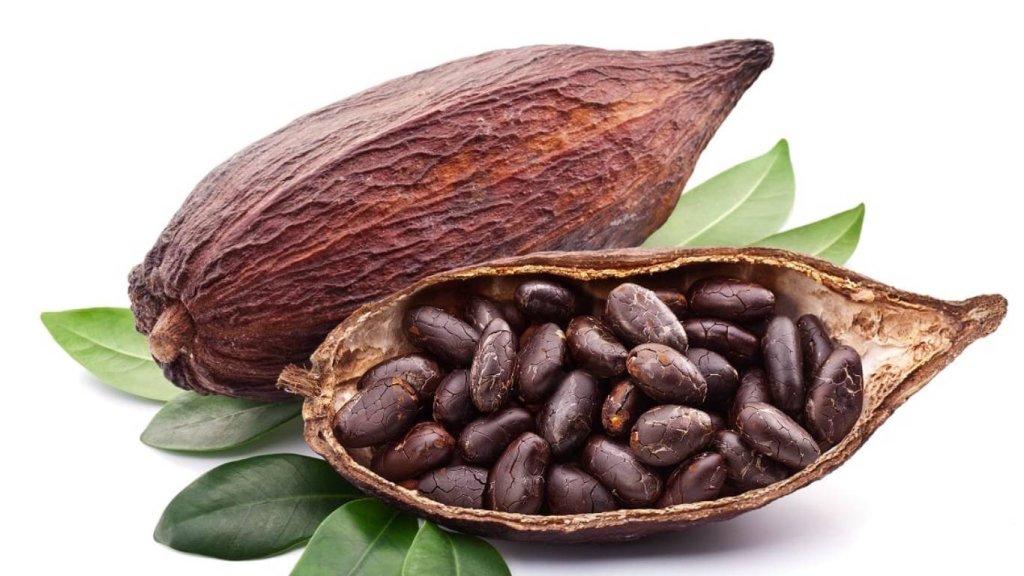
Brazil nuts and Amazonian cacao are among the notable nuts and seeds. They are frequently eaten raw or otherwise used in cooking and baking.
Wild Game
While less common today due in part to hunting restrictions and changing attitudes towards conservation. Wild game like tapir, agouti and capybara (guinea pigs) were traditionally a part of the Amazonian diet.

Edible Plants and Insects
Numerous plants and insects form part of the Amazonian diet, including the heart of palm (açaí), various types of mushrooms and insects including ants and grubs.
Spices
Amazonian cuisine is not traditionally spicy, but many native spices and herbs are used to add flavor to dishes. These include jambu, a native herb that creates a tingling sensation in the mouth and pimenta baniwa, a traditional hot pepper used by the Baniwa tribe.

New world crops
Several crops that are now considered staples throughout the world originate from the Amazon. Among those are potatoes, tomatoes, corn and many varieties of beans.
Home to such an extraordinary array of plants, animals and indigenous communities, this Amazon region is not just a treasure trove of species diversity but also a rich melting pot of culinary traditions that have evolved over millennia.
The ancestral knowledge of the native communities of the Amazon, plus the mixture of cultures between Colombia, Peru and Brazil has contributed to the development of such a diverse gastronomy in the Colombian Amazon region.
Leticia, the largest Amazonian city in Colombia, is famous for its cultural and gastronomic richness, thanks to its privileged location as the focal point of three countries’ borders meeting and the Amazon River itself.
Begin organizing your dream Colombian getaway right away by using our Plan My Trip page!
The typical foods of the Colombian Amazon include different and rich methods of preparation, such as roasted and leaf-wrapped. Each of these techniques is influenced by the culture derived from fishing and everything that can be extracted from the river.
The diet of the Amazon is based mainly on fish and the king of them is the Pirarucú, a fish that can measure up to 3 meters/10 feet and is considered the largest freshwater fish in the world.
With a neutral taste and virtually no bones, it is one of the typical dishes of the Amazon that visitors prefer.
There are several different ways of preparation, but the most popular is Chicharrones de Pirarucú, serving the fish in small pieces, breaded and fried.
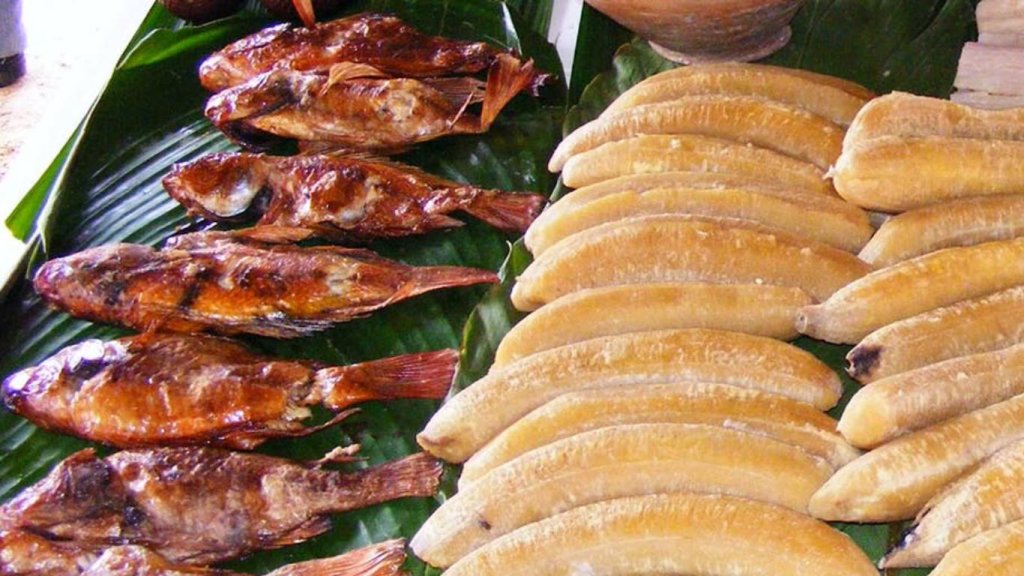
Moqueado is another typical fish dish of the Amazon that you should certainly try on your travel to the Amazonas. Oftentimes it is wrapped in banana leaves and smoked for several hours or possibly even days.
Start creating your dream Colombian adventure by using our Plan My Trip page now!
Signature Ingredients and Flavours
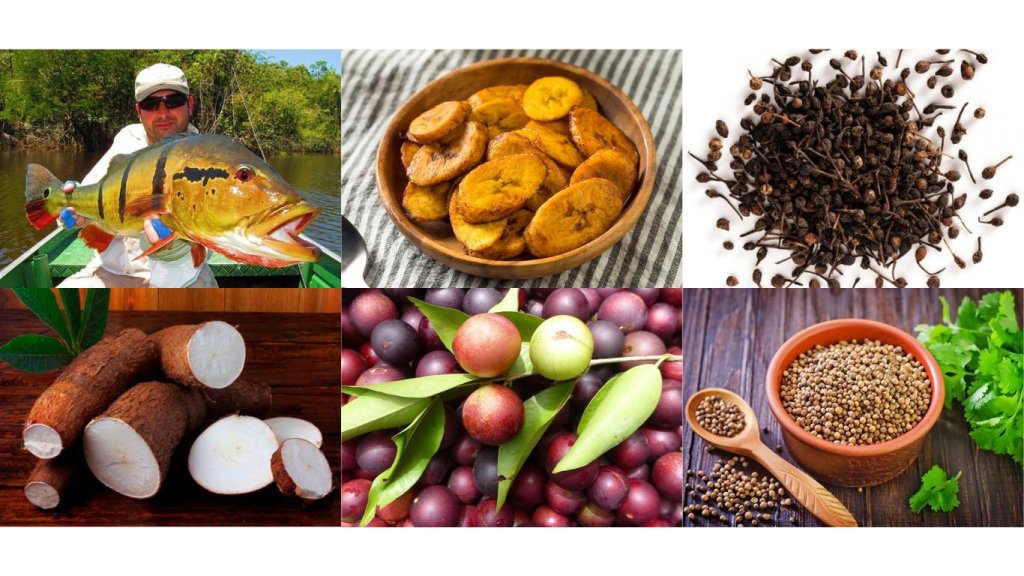
The cuisine of the Amazon is defined by its use of fresh, locally sourced ingredients that highlight the natural flavors of the rainforest:
- Fish: River fish such as pirarucú and tucunaré are central to many dishes.
- Yuca (Cassava): A versatile root vegetable, used in both sweet and savory preparations.
- Plantains: A staple ingredient, often fried or boiled.
- Exotic Fruits: Açaí, camu camu, and other tropical fruits add vibrant flavors.
- Herbs and Spices: Local herbs and spices, such as coriander and wild pepper, enhance the dishes.
Traditional Cooking Methods
The cooking techniques in the Amazon are designed to maximize the flavors of the fresh, natural ingredients available in the rainforest:
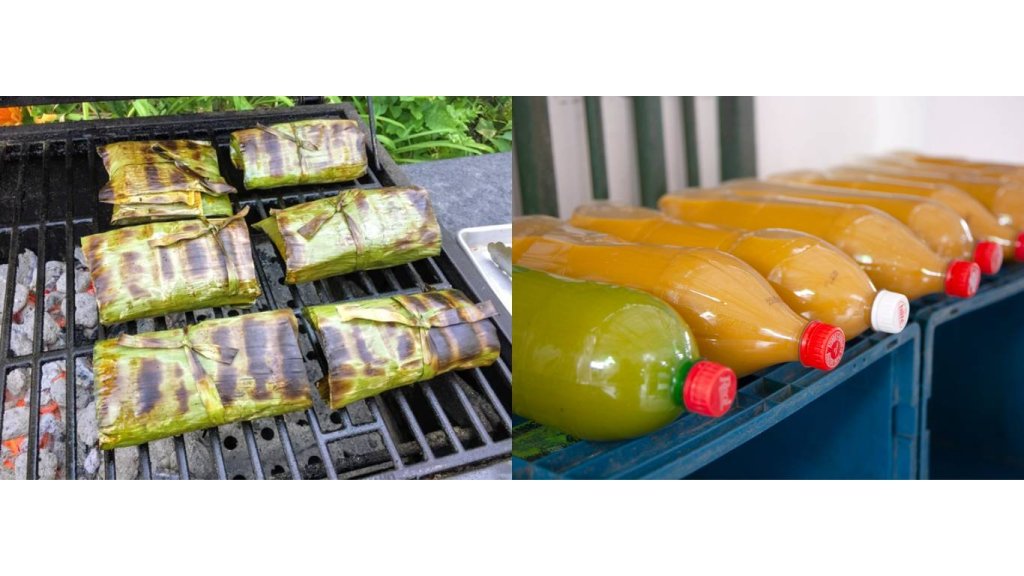
- Grilling in Banana Leaves:
This method is used for dishes like maito, where the banana leaves help to keep the fish moist and infuse it with a subtle, earthy flavor.
- Fermentation:
Certain ingredients, like tucupí (extract from the wild manioc root), are fermented to develop complex flavors.
 Take the first step in planning your dream Colombian vacation by using our Plan My Trip page now!
Here are some unique and delicious foods worth a trip to Colombia’s Amazon to enjoy
Pirarucú
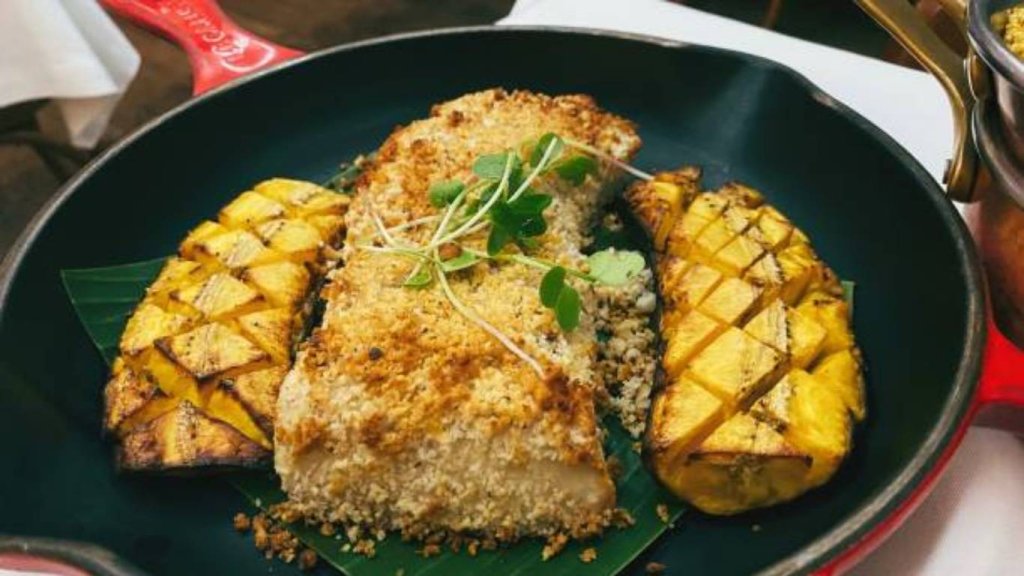
This is the largest freshwater fish in the world and on account of its delicious taste and plentiful meat, it is a popular dish throughout the Colombian Amazon. It is often served fried, and its texture has been compared to chicken.
Casabe
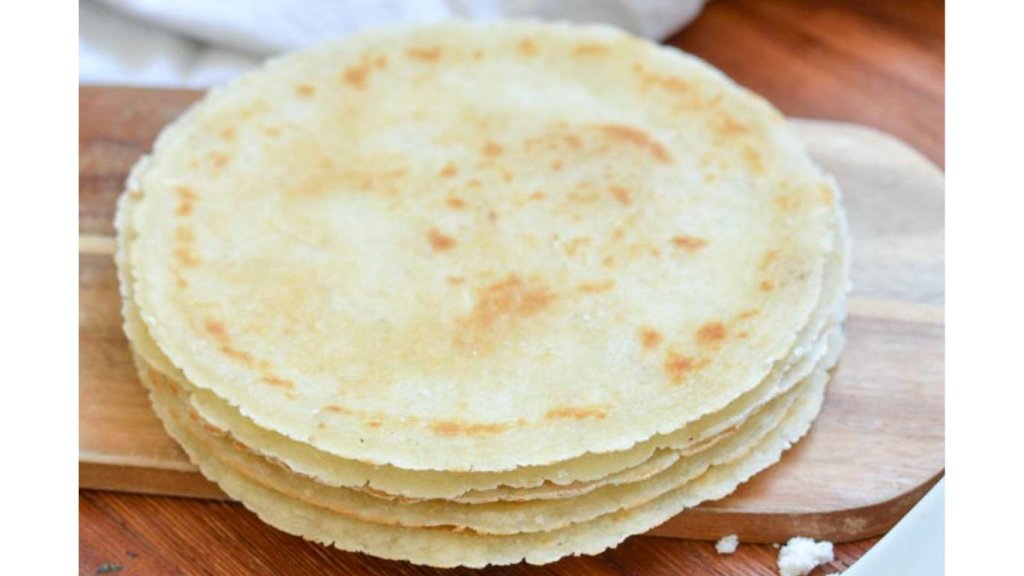
Casabe is a type of crispy flatbread made from cassava (yuca) roots. Versions of casabe have been eaten by Indigenous peoples throughout Latin America for centuries, but in the Colombian Amazon, it is a daily staple among Indigenous communities.
Made with flour from wild yuca roots, it has a slightly neutral taste, so is generally served as an accompaniment to other dishes.
Ajicero
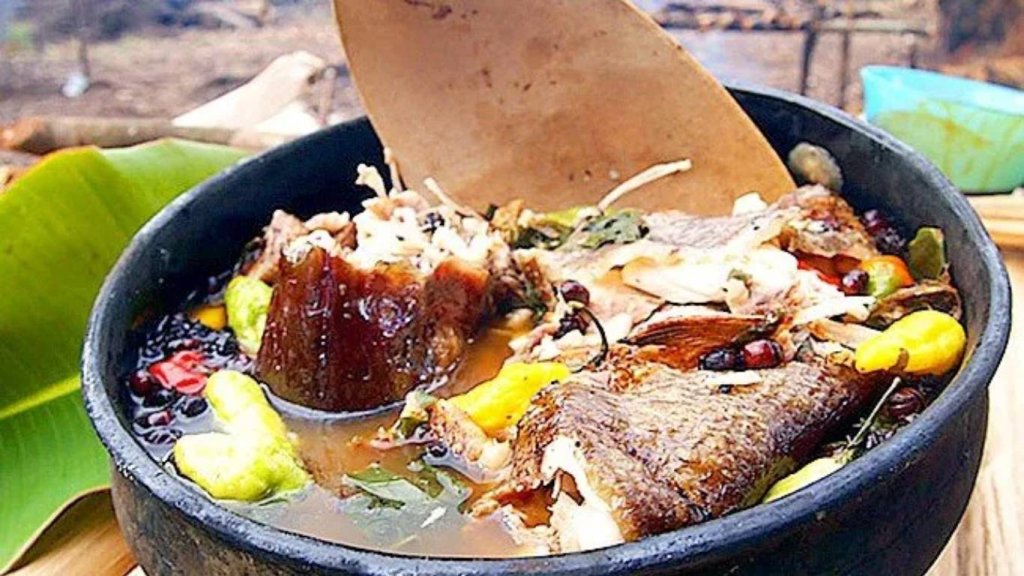
Ajicero is a fish broth typical to the Colombian Amazon department of Guainia. A very simple dish, the ingredients are basically water, salt, some type of river fish and the seeds of spicy peppers.
The fish is added to the boiling water and the seeds follow, making for a fresh, delicious and lightly spicy broth, which is often served with casabe to dip in the fragrant broth.
Crema de copoazú
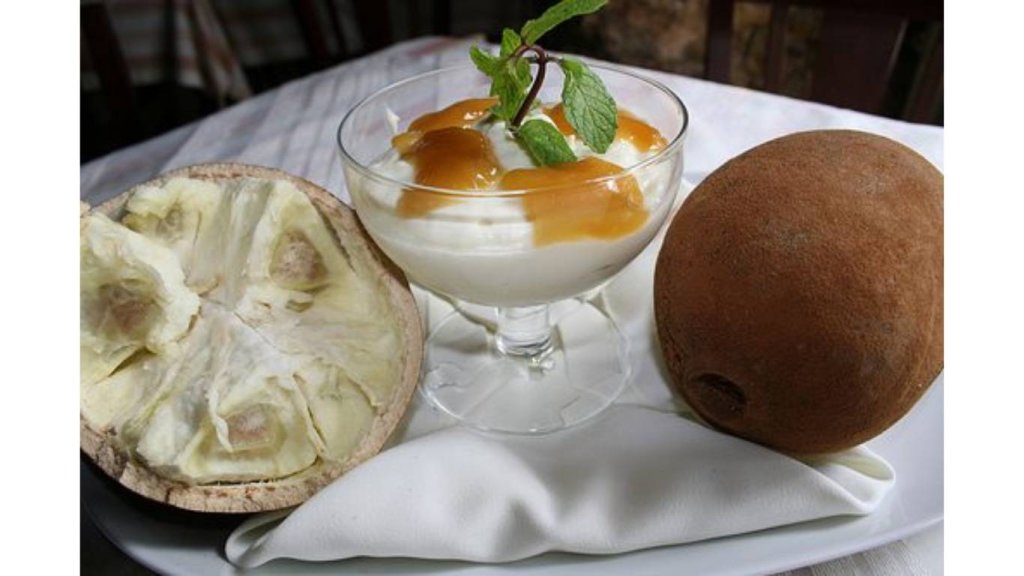
Copoazú is one of the many delicious Amazonian fruits you can find in Colombia’s southern jungle regions. It is highly nutritious and delicious and is tasty in juices or eaten fresh, but crema de copoazú is the best way to enjoy it.
The pulp of the fruit is mixed with condensed milk and cream, making for a sweet and delicious Amazon dessert.
Cachama Ahumada
Cachama is one of the most delicious Amazon fish there is and smoked cachama is the typical dish of the Colombian Amazon department of Caqueta. With a rich, full flavor, cachama is great whichever way it is cooked, but with a deep, smoky flavor, it comes into its own.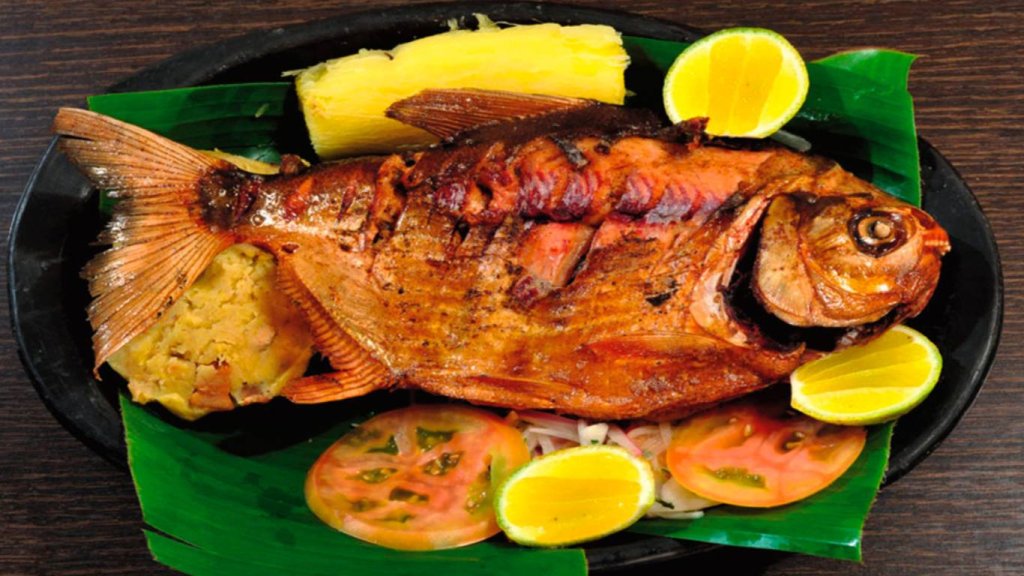
Amazonian Pineapple
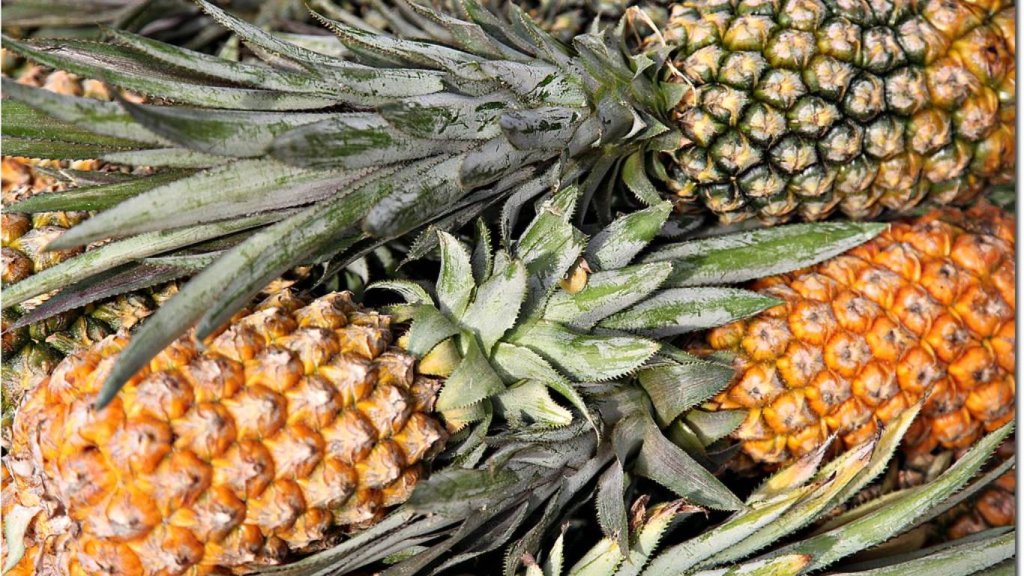
The Amazonian species of pineapple is smaller than its Andean equivalent but, despite its diminutive size, it packs even more sweetness and flavor than any other pineapple Be sure to buy a fresh pineapple from one of the many street vendors.
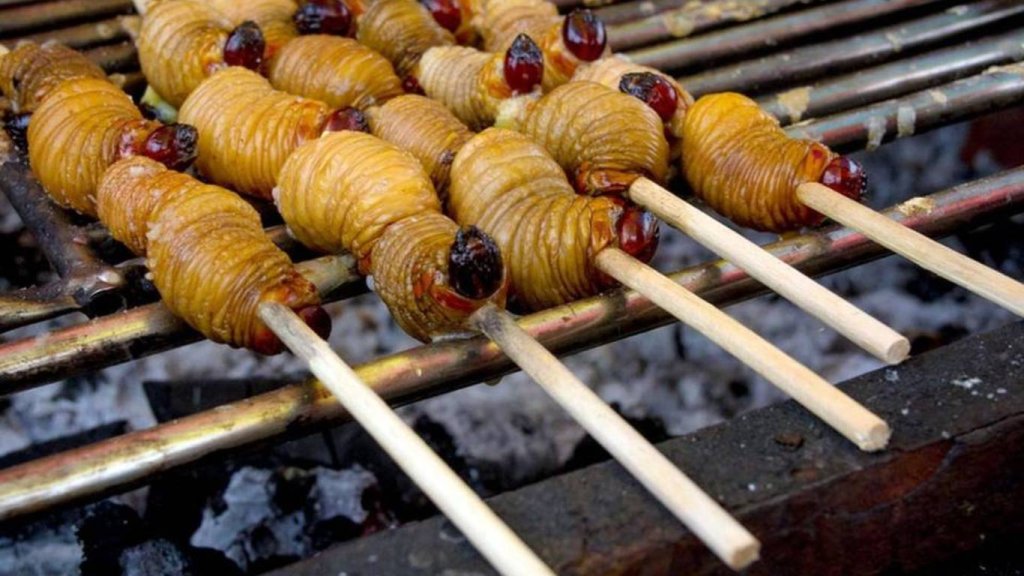
Mojojoy
Mojojoy is one of the most recognizable, yet least tried, typical dishes in the Amazon. It is a fat, white worm, often eaten whole and alive, but sometimes served fried or grilled. Obviously, it is an acquired taste, but is extremely typical of Indigenous Amazon communities and well worth sampling when you visit.
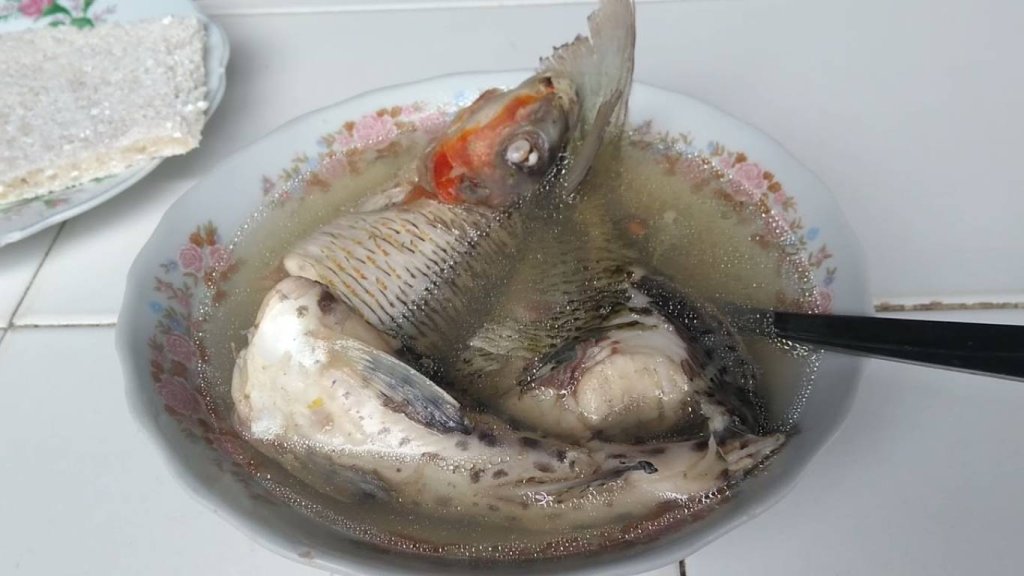
Quiñapira
Quiñapira is a typical fish soup from the Vaupes department (one of Colombia’s least visited Amazonian regions), which is very similar to the aforementioned Ajicero. The fish and peppers used are often different however and Quiñapira is certainly a distinct and delicious dish in its own right.
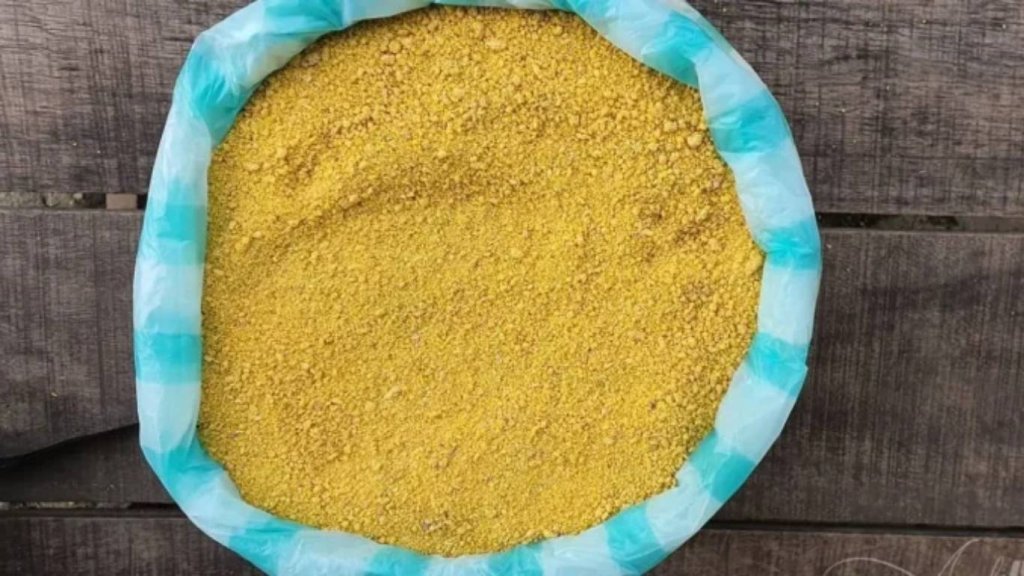
Fariña
Fariña is a milled flour made from the yucca plant. The grated yuca is fermented in water for a few hours, then drained and toasted to form a simple flour-like dish, typically served mixed in with soups and broths or simply eaten alone as a snack.
Like to create or customize a fantastico package tour of Colombia? Use our Plan My Trip page to start planning your dream Colombian vacation now!