
BLACK AND WHITES CARNIVAL IN COLOMBIA
Every year, in the city of Pasto, in southern Colombia, the streets burst with colour, music and joy during the Carnival of Negros y Blancos. This event, declared Intangible Cultural Heritage of Humanity by UNESCO, not only celebrates cultural diversity but also honours the ancestral traditions that have shaped this region for centuries.
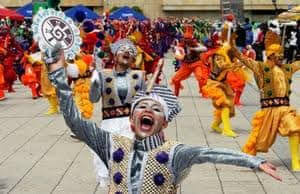
The origin of the Carnival of Blacks and Whites dates back to indigenous times, as during the 16th. century the indigenous people of the region celebrated the harvest with dances, music and rituals. These expressions, which coincided with the celebration of the Moon, were the first version of the Carnival, making it possibly the only festival with purely indigenous roots today.
Since all this was of purely indigenous origin, during the colonial era, this festivity was totally prohibited. It was not until the 19th. century that the festivities were resumed, led by some indigenous and mestizo people who wore masks and held small dance and music gatherings. This festival originates from the dances and rituals performed by indigenous communities in the southwest of the country to thank their deities for the harvests.

Pre-Carnival activity begins on December 28th. and runs until December 31st. , offering a variety of sporting, cultural, gastronomic and musical activities that prepare the city and its visitors for the main festival.
Carnival then takes place from January 2nd to 6th, days when the most representative and traditional events take place, such as when attendees celebrate with joy, colour and folklore the cultural diversity that characterizes this festivity.
The Carnival of Negros y Blancos is much more than just a party, it is an experience that completely transforms the daily life of Pasto. Filling its streets with colour, music and emotions for almost two weeks, the city becomes a vibrant stage, where all the senses are awakened.
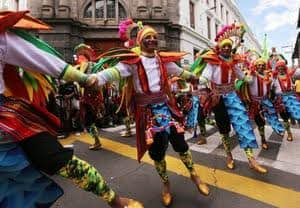
December 28th
The Carnival of Negros y Blancos commences in a flurry activity and unbounded energy as everything is gearing up for the big day.
From early in the day, the streets are bustling with parades and cultural events. Everyone loses the seriousness of everyday life and lives in the moment of hope and anticipation.
Old Years Parade December 31st
The last day of the year has a special meaning. Families, barrios and groups create giant figures made from cardboard that represent characters, events of the year or even social criticism.
These figures, known as the old years, are burned in a large bonfire after dark. It is a ritual full of symbolism that seeks to leave everything bad behind and start the new year with hope and new purposes.
Carnavalito is when the children are the main protagonists. In an atmosphere full of charm and enthusiasm, the niños (children) parade with miniature floats and carefully crafted costumes.
This day is a clear example of how Carnival not only celebrates the present, but also implants the seeds for the future, ensuring that these traditions live on in the new generations.
Parade
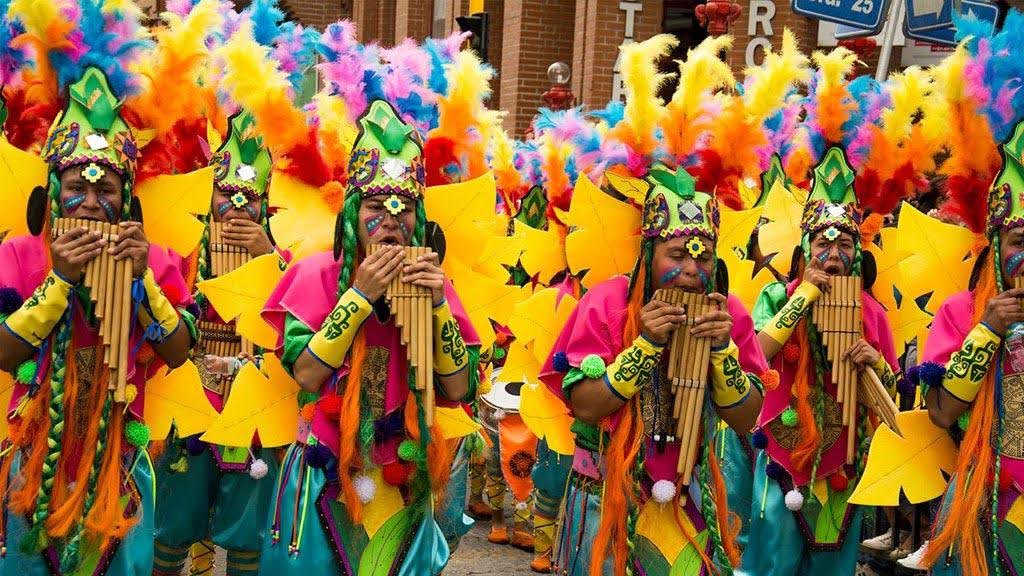
If you love dancing, you will be fascinated by this day. Dozens of choreographed groups fill the streets with displays that mix tradition with modernity. Each movement and each costume tells stories about the cultural roots of the Andean region. This is the perfect moment to pay tribute to the connection between humans and nature, a relationship that the inhabitants of Nariño deeply value.
Negro Day
This is perhaps the most symbolic day when everyone paints themselves black as an act of freedom, equality and respect for diversity. It is an opportunity to play, celebrate and recognize the African roots that are part of Colombia’s national identity. The streets become a space of joy where no one is a stranger, everyone is a friend, and the great connection between people is the centre of the party.
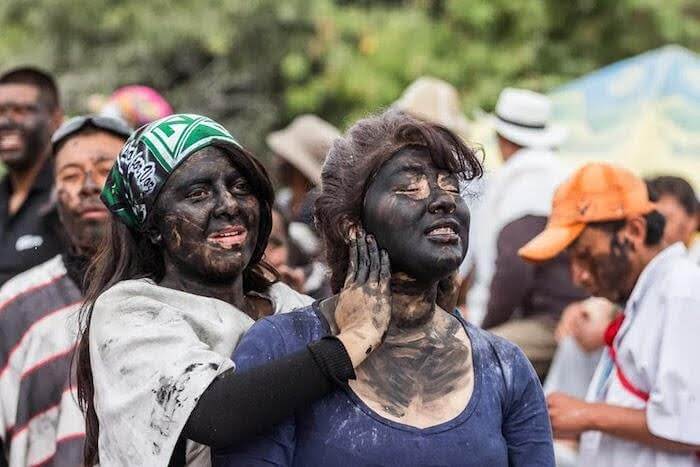
Strangers will walk up to you and smear you with black paint.
White Day
The closing of the Carnival could not be more spectacular. On the Day of Whites, people paint themselves white using talcum powder, foam and other powders and emulsions, symbolizing purity, peace and unity. This day culminates with the impressive Great Parade, a spectacle where gigantic, masterfully decorated floats parade through the streets.
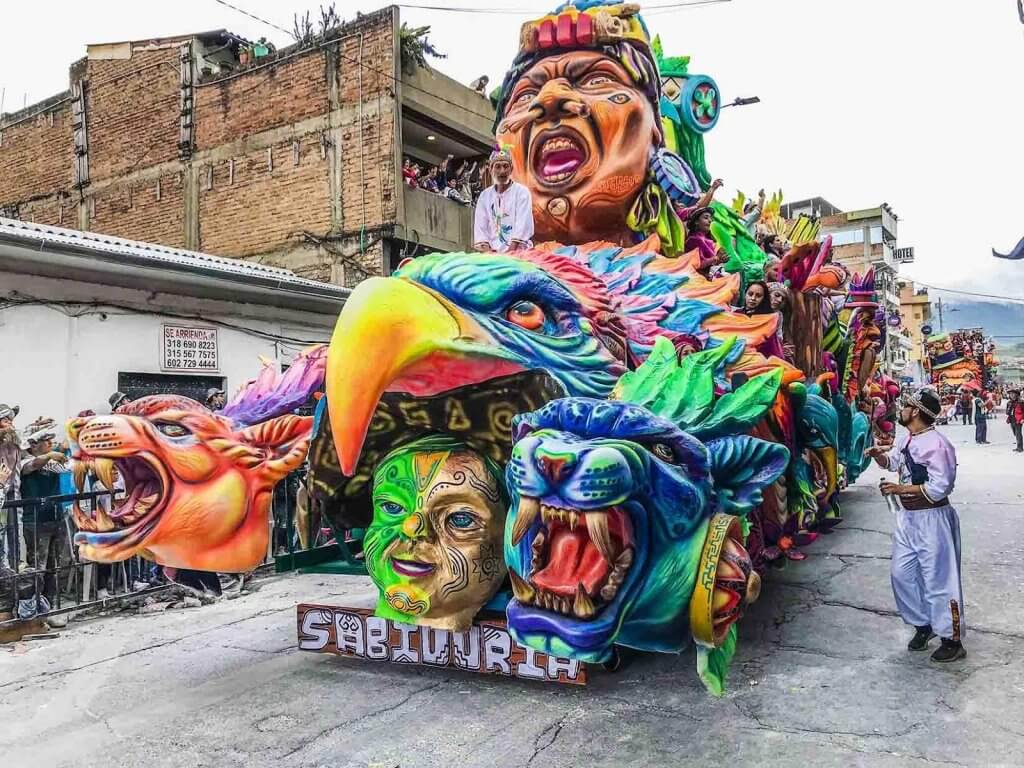
More than 25 floats, some up to 15 metres long and 10 metres high, compete in various categories to be among the best of the year. These colourful floats are constructed by local artists over many months. They are the focal point of the Carnaval and express the talents and feelings of their creators.
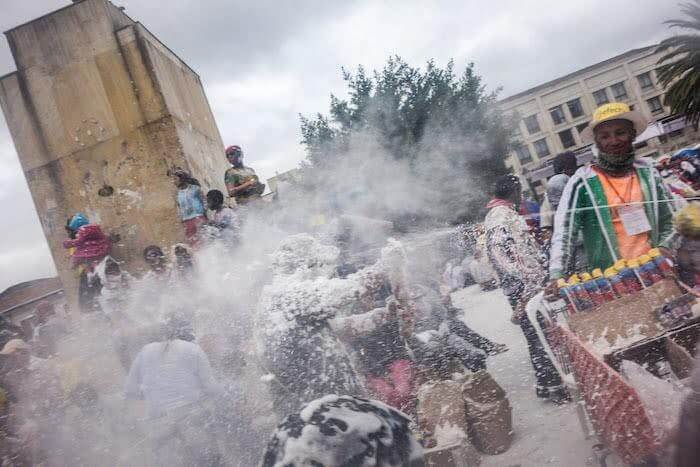
The Carnival of Negros y is a testament to the power of culture to unite people and preserve historical memory. Every year, Pasto becomes a stage where tradition, creativity and happiness converge, leaving an indelible mark on those who are fortunate enough to live this experience.
The Pasto Negros y Blancos Carnival may look odd to some people who do not thoroughly understand its origins. However, it is one of the most important cultural expressions of Colombia signifying, at least for a day, the unity of people from diverse backgrounds, through painting each other, making their physical differences indiscernible.
Moreover, the annual festival also salutes the efforts of the organizers, the participants and especially the artisans who work almost the entire year to come up with the concept, creating the masks, moving characters, mythical creatures, float designs and the variety of costumes that make the Negros y Blancos Carnival of Pasto unique.
Like to create or customize a fantastico package tour of Colombia? Use our Plan My Trip page to start planning your dream Colombian vacation now!