
CARIBBEAN NATURE TOUR
Few countries can boast the cultural and geographic diversity of Colombia. With its melting pot population, rich pre-Columbian heritage, historic cities, and dramatic landscapes, the nation has become one of this decade’s most in-demand destinations. Stretching from the Caribbean to the Pacific to the Amazon Basin, and fringed by miles of alluring beaches, Colombia offers travellers myriad locations for off-the-beaten-track adventures.
Its cities, meanwhile, are a major draw. Bogotá has transformed itself through an artistic and culinary renaissance, while Medellín’s globally recognized regeneration schemes have seen it blossom into a sophisticated cultural centre. This heady mix of contrasts—wild and cosmopolitan, ancient and new – defines any visit to Colombia.
The Caribbean region, in particular, has much to offer when it comes to nature and adventure. It features ecosystems as extreme as the deserts of La Guajira, the tropical rainforest of Tayrona, and the jungle of the Darién. Additionally, the Caribbean is home to the highest mountain in Colombia, the Sierra Nevada de Santa Marta, which rises to almost 6,000m/19,685 feet. This area is one of the best in Colombia for hiking and a highlight for birders, thanks to its diverse wildlife.
Beyond the mainland, national parks, nature reserves, and the coral reefs of San Andrés and Providencia provide a wide range of fabulous options to enjoy. Adventure goes hand in hand with the tremendous variety of ecosystems. For water enthusiasts, scuba diving is very popular, alongside other water sports such as wave and kitesurfing.
The Caribbean region also boasts rich biodiversity, with the many ciénagas (swamps) around the Magdalena and Sinú Rivers housing numerous endemic species. Home to approximately 11 million people, this vibrant region encapsulates the natural and cultural richness that makes Colombia so captivating.
SIERRA NEVADA OF SANTA MARTA
A spectacular mountain range on the Caribbean coast, the Sierra Nevada de Santa Marta boasts the highest peaks in all of Colombia, reaching around 6,000m/19,685 feet. Isolated from the Andes Mountains, it is therefore totally disparate. From the beaches of Tayrona at sea level, the Sierra Nevada rises at a rapid pace to its snow-clad peaks. As a result of these dramatic elevation disparities, all kinds of ecosystems are encountered over this relatively limited area.
One of the best hidden gems of the Caribbean is the indigenous pueblos of the Kogui, Wiwa, and Arhuaco in the Sierra Nevada de Santa Marta. The area is inhabited by these indigenous peoples, descendants of the former Tayrona, who live largely according to their traditional culture. They speak their own language, wear traditional clothes, and live in traditional villages. Most importantly, they maintain their own beliefs and traditions about their world and way of life.
It is almost surreal to see the difference with our Western world. To think that we can actually find a completely different culture and way of life at such a short distance is incredible.
THE GUAJIRA
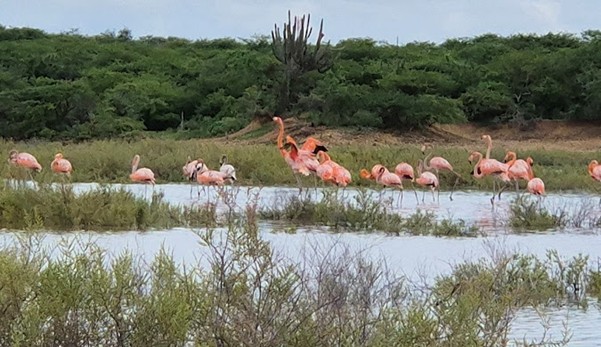 We work with and recommend booking flights with www.kiwi.com
This is the most northern department of Colombia, bordering Venezuela and encompassing most of the La Guajira peninsula. It is distinguished by its desert landscapes, giant dunes and remote fishing villages of the indigenous Wayuu people. The beautiful, pristine coastline, flush with palm trees, glorious beaches and indigenous tribes, serves as a gateway for adventure tourism in the region.
PUNTA GALLINAS
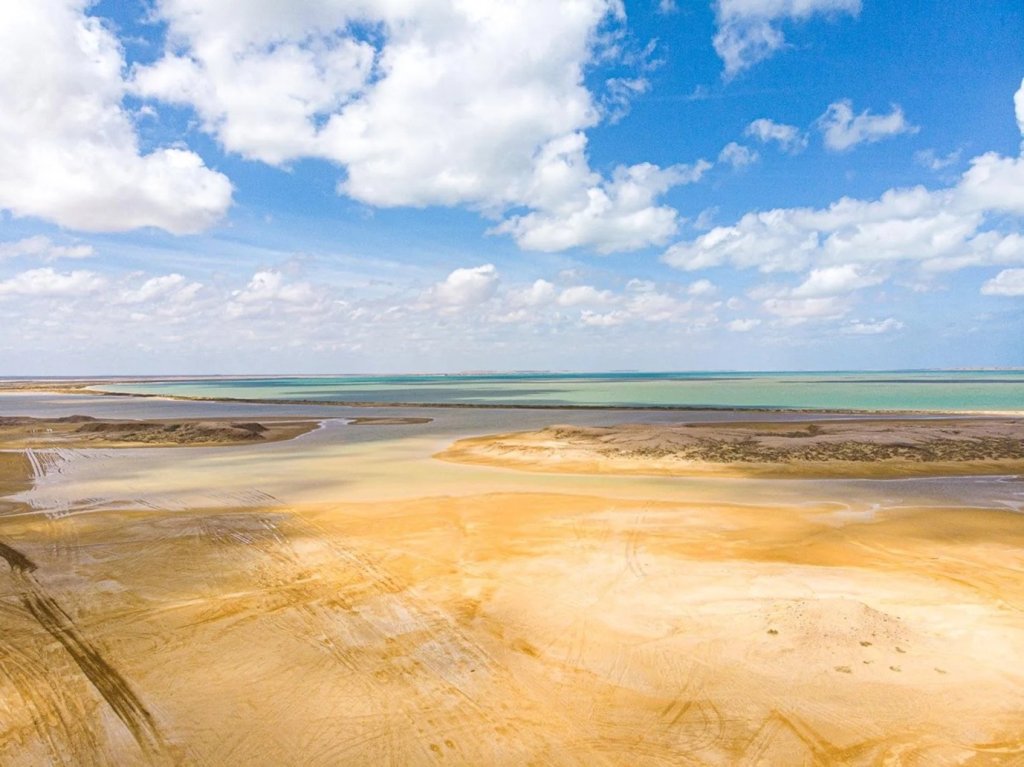
This is one of the most extraordinary destinations in South America. It is the northernmost spot of the southern continent, on the La Guajira peninsula, a piece of land where the desert runs directly down into the sea. The only population of the area is a handful of Wayuu families, their goats and a colony of pink flamingos.
CABO DE LA VELA
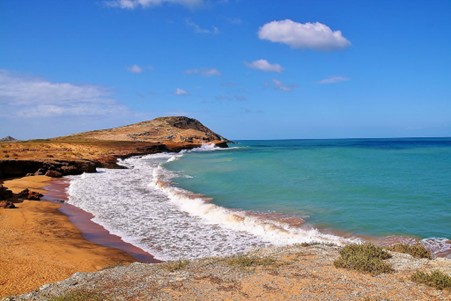
One of the most special destinations in Colombia is the coastal town of Cabo de la Vela, in the middle of the desert of the northern province of La Guajira.
Imagine remote sandy beaches with craggy outlying rocks, caressed by calm, crystal blue Caribbean waters. All this against a stunning background of the red and dusty desert.
Populated by the Wayuu indigenous people, Cabo de la Vela is a traditional fishing village, where little has changed over the years. You will find little comfort as there is no running water, and should you be in luck, there will be electricity, produced by a small generator. Accommodations are very basic, but this is the charm of the place.
CIENAGAS
The two main rivers of Colombia, the Magdalena and Cauca, merge at the Caribbean coast, forming huge cienagas (swamps). These networks of water, swamps, and rivers are a spectacular attraction for nature lovers.
Unique ecosystems overflowing with birds and other fauna are a fascinating experience, even more so because they combine nature with traditional Colombian culture and history.
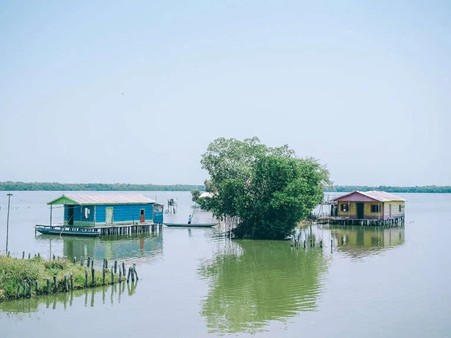
Palafitas, houses built on stilts jutting out of the water, comprise entire pueblos in the middle of a cienaga. Nueva Venecia in the Cienaga de Pajaral, close to Barranquilla, is spectacular. So is San Basilio de Palenque, which has been nominated as a World Heritage Site by UNESCO for preserving its African heritage.
PALOMINO
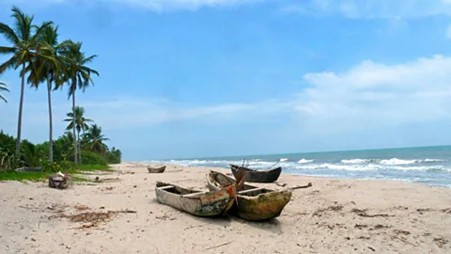 Beach near Palomino
The coastal pueblo of Palomino is a perfect starting point to visit the beaches of Tayrona Park. The mountains of the Sierra Nevada de Santa Marta are also just around the corner.
This carefree, little pueblo is on the road between Santa Marta and Riohacha, was long ago discovered by hippies and backpackers and has, in recent years, become one of Colombia’s most popular holiday destinations. Surfing is amazing.
TAYRONA NATIONAL PARK
This park is easily one of the most iconic and popular places to visit on any trip to Colombia. While it can get busy during peak season, it is such a beautiful and unique place to visit.
Inside the Tayrona National Park, you can hike through a deep green jungle filled with monkeys, birds, and insects, past giant round rocks, before arriving at the white sandy beaches and crystal clear waters of the Caribbean, with the snow-capped Sierra Nevada de Santa Marta as the backdrop. It is an amazing contrast and a wonderful experience.
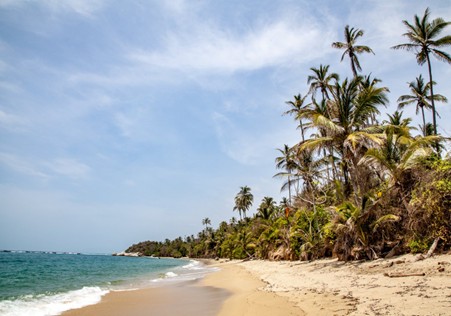
The Eco-habs are the only place to stay and are dotted along the coastline of Tayrona National Park. These delightful little bungalows are nestled amongst the trees, offering stunning views of the Colombian coastline. Enjoy a peaceful and comfortable stay amidst nature at its finest, whether on the beach or in the mountains.
These comfortable cabins have been integrated into the natural setting, built in a way that does not damage or disturb the natural surroundings. Each hut is constructed using mainly natural materials, including palm roofs, stones, and wood, and ethnic elements inspired by the ancient huts of the Tayrona tribes.
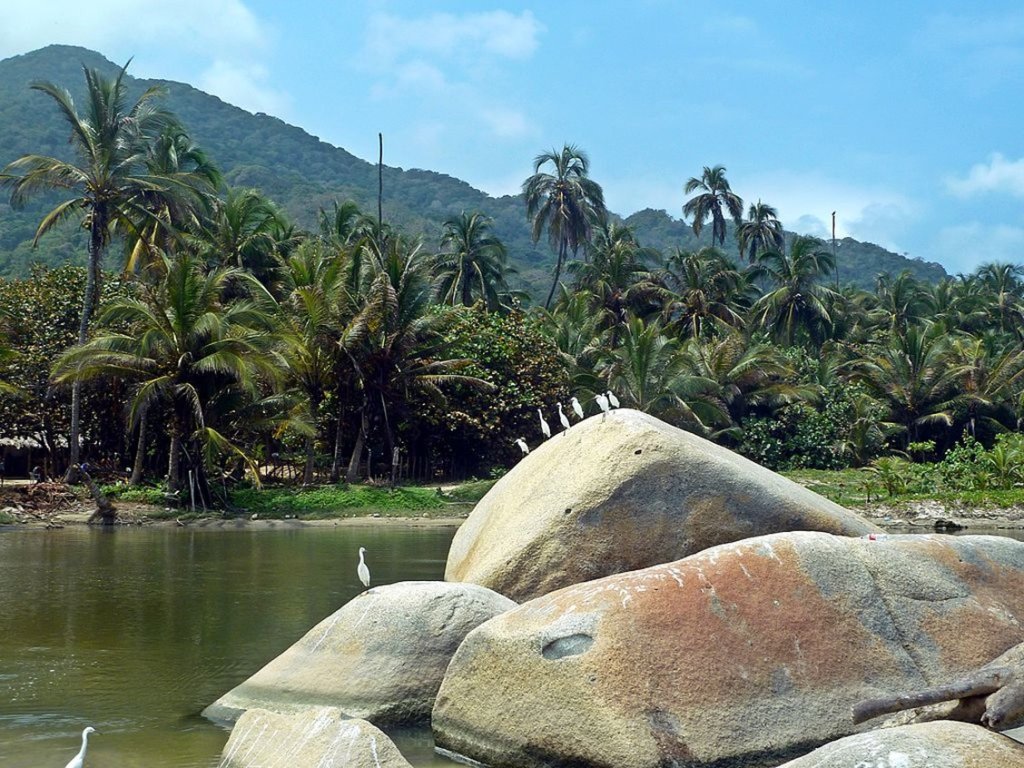 Playa Arrecifes, Tayrona
GOLFO DE URABÁ AND BOCAS DE ATRATO

At the border of Panama and Colombia are the well-known, delightful beach pueblos of Capurgana and Sapzurro. A little further south in the Bay of Urabá, the Atrato River from Bocas de Atrato spills into the ocean, fresh water, while the thick jungle and ecosystems of Katios National Park and the Darian are a nature lover’s delight.
CAPURGANÁ
 Begin organizing your dream Colombian getaway right away by using our Plan My Trip page!
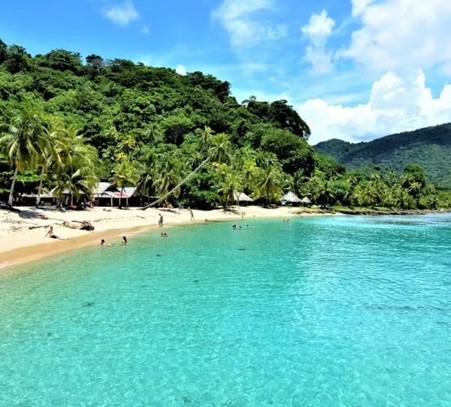
Surrounded by the dense jungle of the Darien, on the last piece of land that separates Colombia from Panama, lies the small coastal municipality of Capurganá. This pueblo on the Colombian Caribbean coast is the perfect place to find complete relaxation with nature, far away from the hustle and bustle of civilization.
ISLANDS OF PARADISE
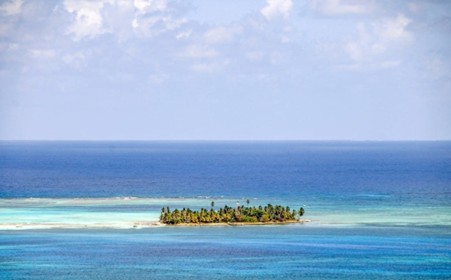
Coconut palms bowing over platinum sands and teal waters teeming with fish. Colombia’s Caribbean islands are the epitome of tropical beauty.
Scattered along the northern coast are the coral archipelagos of Rosario and San Bernardo, bastions of Afro-Caribbean Raizal culture (Afro-Caribbean ethnic group residing in the Colombian Archipelago of San Andrés, Providencia and Santa Catalina).
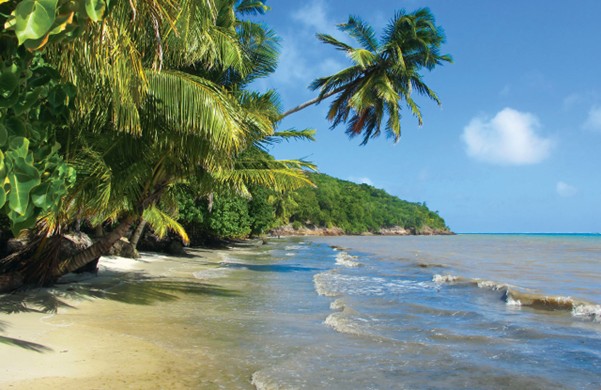 A beach in Providencia
Beaches of the finest white sand, exotic palm trees, and a sea with the clearest turquoise coloured water: the coral island of Isla Múcura, part of the San Bernardo archipelago, is a paradise in the Caribbean.
The magic continues farther out to sea, on remote San Andrés and its sister islands, Providencia and Santa Catalina. One of the world’s largest barrier reefs offers fantastic scuba diving to explore the magnificent corals and a stunning array of marine life.
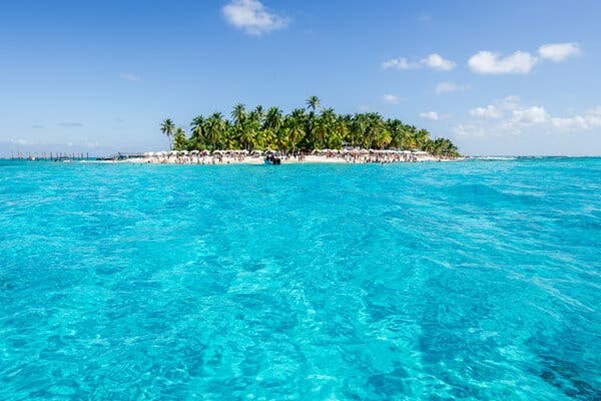 San Andrés
The islands are located about 750 kilometres/466 miles from the Colombian mainland, near Nicaragua. Only a short flight from the mainland, the islands feel a world apart. Discover the unique Raizal culture as you enjoy hiking, sailing and relaxing in a far-flung corner of paradise.
GORGONA ISLAND
A peculiar place belonging to Colombia with an interesting past. Isla Gorgona is an island located 28 kms/17 miles off Colombia’s Pacific Coast, with a total area of 25 km²/9.6 square miles. It is 9 kms/5.6 miles long and at its widest point it is 2.5 kms/1.5 miles. The island can only be reached by boat from Guapi.
The island is surrounded by shark-infested waters and is the habitat for dozens of species, many of which are endemic, that can only be found on this island. If the sharks, monkeys and ravenous birds do not intimidate, then some of Gorgona Island’s history likely will do so.
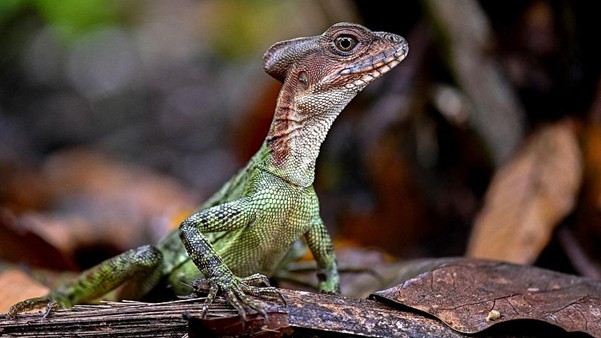 Eco-tourism is booming on the island, overshadowing its harrowing past
During the 1980s, Gorgona Island was used as a penitentiary for the country’s most dangerous prisoners. Regardless, the island is super popular for adventurous tourists. Difficult to get there, but the rewards are beyond generous.
Like to create or customize a fantastico package tour of Colombia? Use our Plan My Trip page to start planning your dream Colombian vacation now!