
FLOWERS – LOCATIONS
Colombia is a country whose name has long remained synonymous with exceptional flowers and a booming floriculture industry. This has cemented its status as one of the world’s leading flower producers and exporters. The country’s flourishing floriculture industry has, over the years, ensured that Colombia is a leader in flower exports from the Latin American region.
As a result, the country is renowned for its diverse flower varieties that grace markets worldwide.
https://www.youtube.com/watch?v=6rDcTFzNHik
Colombia is a country of many unique diversities. A country in which, for instance, the snow-peaked Sierra Nevada de Santa Marta mountains in the north easily juxtapose with the verdant lushness of the Amazon rainforest in the south and unique weather conditions that support a unique flora and fauna biodiversity. Its thriving tropical rainforests also host thousands of species of plants and flowers.
https://www.youtube.com/watch?v=LFIM2lZ3p90
We work with and recommend booking flights with www.kiwi.com
Bogotá
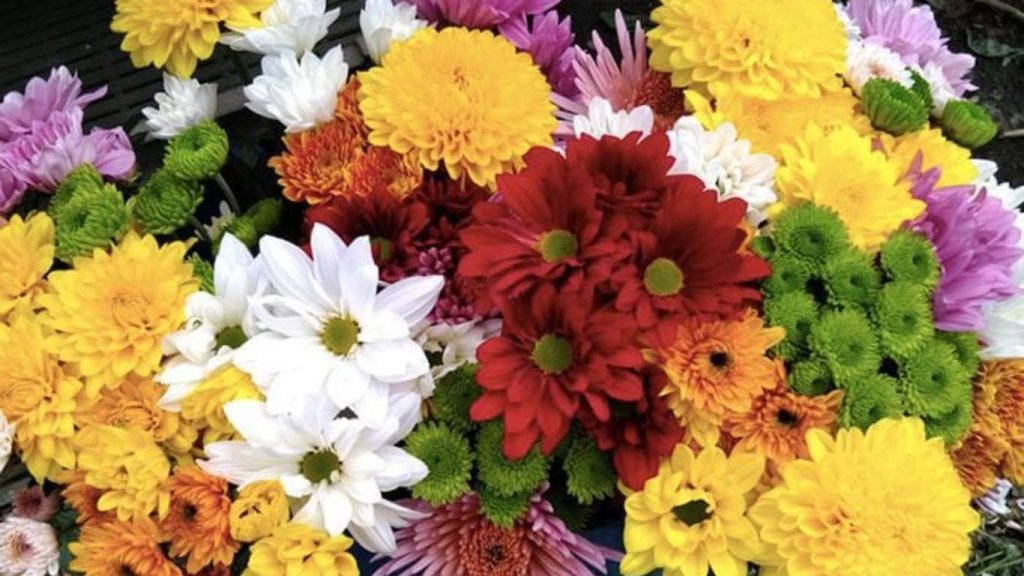
Hundreds of flower fincas (farms or nurseries) dot the landscape, mainly in the Savannah of Bogotá and also in Antioquia. The central region of the country is the most important area, making the country’s floriculture industry an important one in the global flower trade.
Reasons for the success of Colombian floriculture are not hard to find. With rich soil, cool nights and twelve-hour days, near the equator and at one of the highest points in the Andes, the Savannah of Bogotá at 8,700 feet/2,652 meters, where it all began, offers nearly ideal climatic conditions for growing flowers.
A former lakebed, the savanna also has dense, clay-rich soil and networks of wetlands, tributaries and waterfalls left after the lake receded 100,000 years ago.
An equatorial latitude and its situation on a mountain plateau mean that Bogotá is drenched in high-energy short-wave radiation, which is terrible for human skin but exceptional for plants.
Here there is no winter, no need for air-conditioning or central heating, and just one window and few white walls will bounce enough light around a room to please all but the fussiest of plants.
From the beginning, water, land and labor were all abundant. Colombian growers were able to use greenhouse technology as a way of fine-tuning the natural growing conditions for optimal quality and efficiency but without costly energy inputs.
A second advantage was the proximity of this fertile plateau to the North American market. Access to year-round availability of high-quality flowers at stable prices had been, in fact, a limiting factor for the U.S. floral industry.
The early development of a highly efficient distribution infrastructure, fostered by partnerships with one foot in Bogotá and the other in Miami, made all the difference. Bogotá is just a three-hour flight from Miami, closer to East Coast customers than California, the center of the U.S. flower industry.
Begin organizing your dream Colombian getaway right away by using our Plan My Trip page!
Antioquia
Antioquia’s diverse landscapes provide the perfect setting for the large assortment of native flowers to flourish. The distinct climatic and soil dynamics of the department synergize with the proliferation of the most beautiful blooms.
Among the emblematic flowers of Antioquia are the Flamingo Flower (Anthurium, a red lily), Kalanchoe Blossfeldiana (various colors) and Wax Begonia (red and pink flowers).
These flowers not only add to the aesthetic allure of the region but also hold cultural and ecological significance.
Medellín, a city rife with stories of a complex past and a promising future, is the heart of paisa (locals from the Antioquia region) culture.
Venture outside the Aburrá valley, through narrow, orange poppy-lined roads and into the hills around Santa Elena, a small farming community filled with rows of towering sunflowers and small homes painted in yellows and blues.
This is one of Medellín’s most iconic symbols: flowers.
The tranquil town of Santa Elena, with its high mountainside elevation, creates ideal growing conditions for a tremendous range of flower varieties. Here there is a treasure of a different kind – fields of flowers as far as the eye can see.
All the favorites are on view – dahlias, geraniums, pansies, petunias, orchids, anthuriums, begonias and lilies.
The floral scent is amazing.
These are the flowers that will make their way north and around the world. The Colombian flower industry alone supplies nearly 65 percent of all cut flowers used in the United States.
The picturesque countryside of Santa Elena thrives as a renowned flower-growing region in Colombia. The area is known for its advanced flower cultivation techniques, where farmers employ innovative methods to nurture and produce a wide variety of blooms. These techniques include specialized irrigation systems, optimal fertilization practices and careful monitoring of plant health to ensure high-quality flowers year-round.
On top of this, the flower-growing industry in Santa Elena has a significant impact on the local community. It provides employment opportunities for many residents, supporting the economy and fostering a sense of pride in the region’s agricultural traditions. Plus of course, the beauty and vibrancy of Colombia’s floral heritage.
In Antioquia, which encompasses Rio Negro and Medellín, the tropical climate particularly favors the cultivation of hydrangeas and chrysanthemums, however many other varieties such as Sunflowers (Helianthus), Birds of Paradise (Strelitzia), Asters, Solidagos (Golden Rods) and Ruscus (Butcher’s Broom) are also cultivated.
Since 1957, Medellín has celebrated its growing floral heritage with the annual Feria de las Flores (Flower Festival), which is now the biggest cultural event in the city. Medellín, renowned as the City of Eternal Spring thanks to its beautiful year-round weather, explodes with color every August as the ten-day flower festival kicks off. The event, which takes place in downtown Medellín, features food, artists, vendors and of course thousands of amazingly beautiful flowers.
https://www.youtube.com/watch?v=QbbnFwzO_K4
Take the first step in planning your dream Colombian vacation by using our Plan My Trip page now!
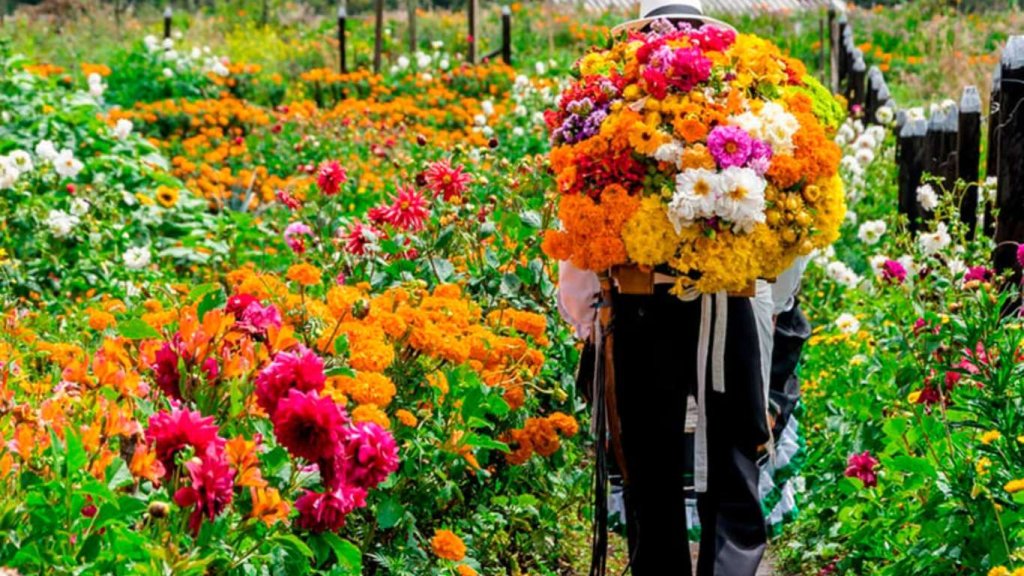
The festival is best known for the elaborate silleteros parade. The term silleteros refers to the practice of men carrying goods on large circular boards attached to their backs. The tradition started as a way to transport produce, goods and even people through the mountainous terrain of the Andes, down into the valley.
However, it has now become synonymous with the flower sellers in Colombia because of the use of these backboards to transport flowers from fincas (farms) in the mountains to the cities where they are sold.
During the flower festival, silleteros create elaborate artistic floral arrangements. These often depict important historical and cultural moments through the flowers. They then carry them through the streets on these traditional back plates.
As a consequence, in Antioquia, everything revolves around the silleta, the traditional, backpack-like entity used to transport the blooms.
https://www.youtube.com/watch?v=Q6FL5sEymQU
Other smaller locations:
Villavicencio
The gateway to Colombia’s vast Llanos or eastern plains, is bathed in sunlight, creating the perfect conditions for sunflowers (helianthus) and zinnias (of the daisy family) to thrive.
These flowers, with their vibrant colors and towering presence, are more than just agricultural products; they are part of the city’s identity, symbolizing its sunny climate and the warmth of its people.
The cultivation of these blooms supports the local economy of Villavicencio and brings a vivid splash of color to the landscape, enhancing the natural beauty of the region.
The people of Villavicencio have a deep connection to their agricultural roots, with the flowers playing a significant role in local traditions and celebrations. The cultivation of sunflowers and zinnias is not just an economic activity but a cultural practice that reflects the community’s bond with the land. These flowers are integral to the city’s identity, symbolizing its agricultural heritage and the enduring spirit of its inhabitants.

Ibague
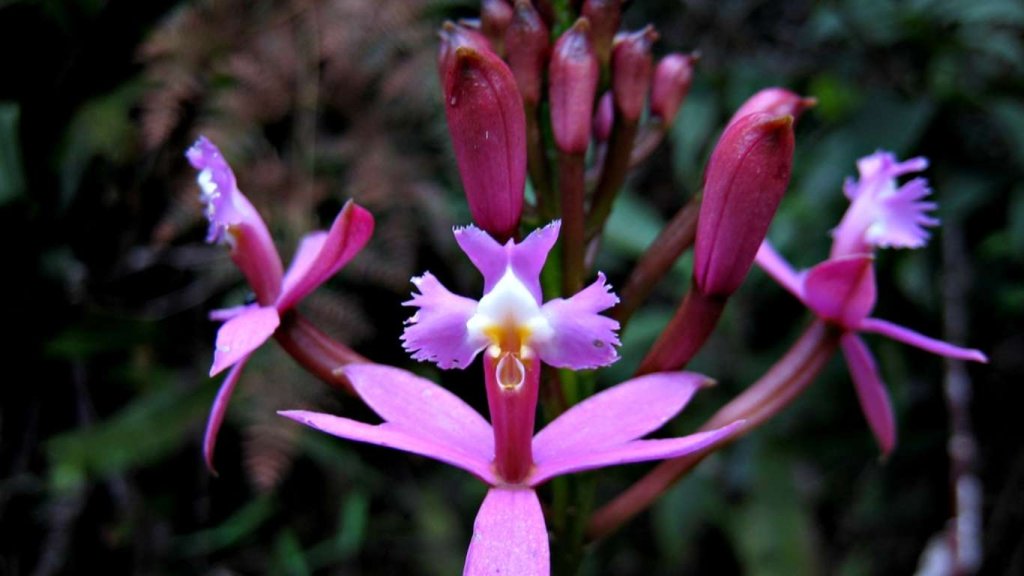
The city is affectionately known as the Musical City, a rich cultural heritage that melds beautifully with a profound appreciation for orchids, Colombia’s national flower. The city’s temperate climate provides an ideal environment for these delicate plants, fostering a wide range of species that captivate with their beauty.
Orchids in Ibague are celebrated not just for their aesthetic appeal but as symbols of Colombian biodiversity and resilience, embodying the country’s natural wealth and ecological diversity.
Flowers in Ibague do more than beautify the city; they are woven into the fabric of its cultural expressions. The annual Festival of Colombian Music, for example, often features floral decorations that showcase the deep connection between the city’s musical heritage and its floral abundance. This integration of floriculture and music highlights the multifaceted role of flowers in Ibagué, serving as a bridge between nature and culture, tradition and modernity.
Start creating your dream Colombian adventure by using our Plan My Trip page now!
Eje Cafetero and Valle de Cauca have begun to develop their own nurseries and now contribute about 1% of cut flowers in Colombia. They are producing good volumes of foliage.
As the global appetite for premium flowers continues to grow, Colombian flower growers stand ready to meet the demand, with their dedication to excellence and innovation driving the industry forward. From the fertile soil of Colombia’s flower heartlands to floral arrangements adorning homes and events worldwide, Colombian florists embody a legacy of beauty and craftsmanship that knows no bounds.
Like to create or customize a fantastico package tour of Colombia? Use our Plan My Trip page to start planning your dream Colombian vacation now!