
Exploring the Food of the Coffee Region
(Eje Cafetero)
There is a region in Colombia that provides an ample supply of coffee, picturesque landscapes, small-town charm and exceptional gastronomy all rolled into one. This region is known as the Eje Cafetero or The Coffee Axis. It is a land rich in bounty and diversity. The calm nature of the region, as well as the peaceful demeanor of its locals, melts you into relaxation.
Eje Cafetero is located in the center of the country, usually referring to the departments of Caldas, Risaralda and Quindio.
The region is situated deep in the Andes Mountains and is home to fertile volcanic soil perfect for growing coffee. Here you will find jeeps packed with mustachioed coffee pickers, poncho-wearing elders gossiping in cafes and of course, endless cups of piping-hot arabica.
While the three aforementioned departments encompass the heart of the coffee region, coffee culture is also highly present in the surrounding regions of Valle de Cauca, Tolima and southern Antioquia. As such, the coffee region is at the heart of paisa culture, a socio-anthropological term used to refer to residents of the region. Paisa culture is built around coffee – not to mention the most delicious food.
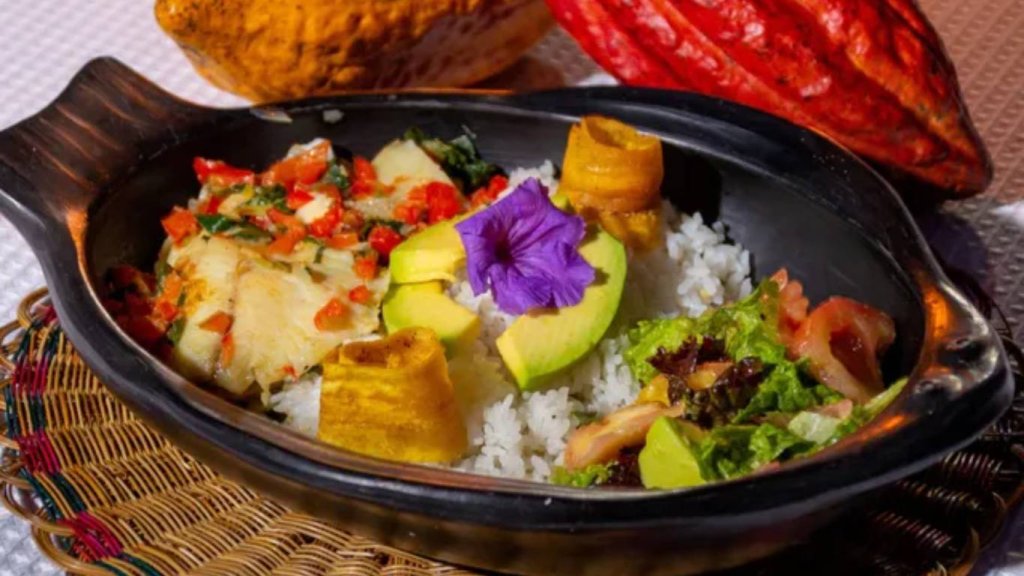
Explore the culture, customs and cuisine at the heart of Colombia in the small towns here where life has changed little over the past century.
Quaint pueblos such as Salento and Filandia still retain the same colonial air of a distant past. Nestled between rolling green hills, these charming towns are famous for their colorful colonial architecture and fantastic food.
Let us now explore some of the most delicious cuisines in the country amongst the breath taking landscapes of the Colombian Coffee Region.
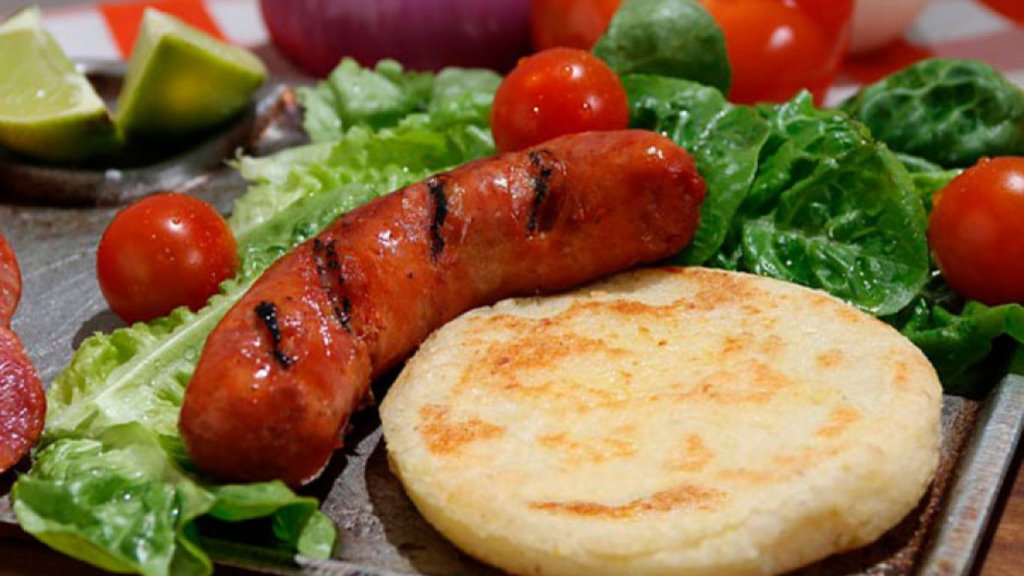
Chorizo Santarrosano
The most famous chorizo in Colombia hails from a small town in Risaralda.
Should you be visiting the termales near Santa Rosa de Cabal, make sure to stop in the pueblo for some chorizo santarrosano.
The chorizo is so special as it is simply one of the tastiest in the country. So much so, that stopping in the pueblo to try the local chorizo has become a tourist attraction in itself. A delicious pork sausage piquancy with unique flavors, it is cured and preserved with seasonings including salt, sugar and nitric salts with grapefruit, lemon and oregano.
We work with and recommend booking flights with www.kiwi.com
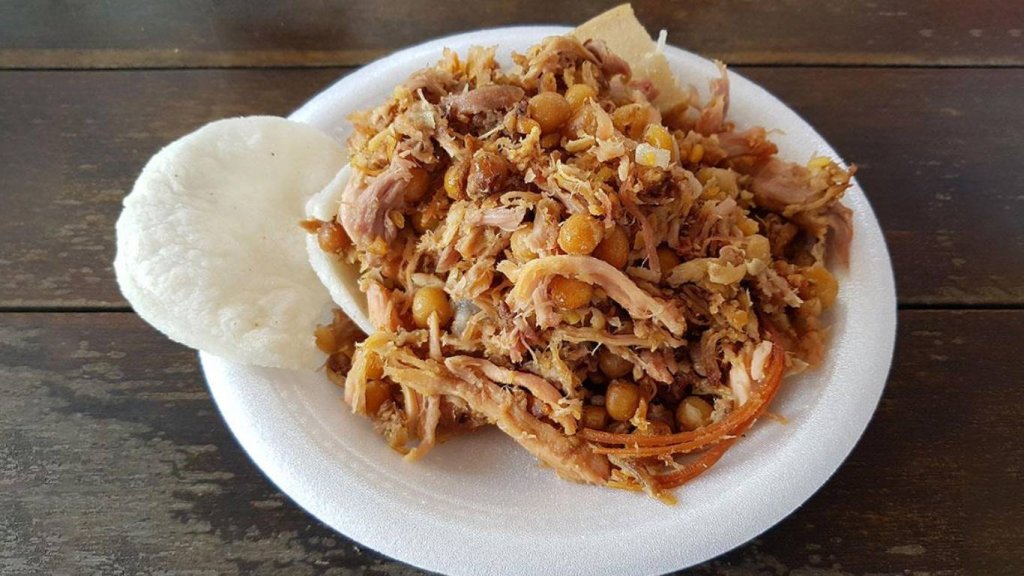
LECHONA
Lechona originates from the department of Tolima, on the outskirts of the coffee region. It is said that this was a Spanish dish brought to Colombia during the invasion and that it was only served to the royal families at festivities.
Nowadays it is one of the most popular dishes in Colombia and is still typically reserved for special occasions such as holidays and social events. One lechona can satisfy as many as one hundred guests. Alongside bandeja paisa, it is one of the most celebrated dishes in all of Colombia.
Lechona is a suckling pig, likely very different from the standard pig frequently found on a spit found elsewhere. In this case, the whole pig is stuffed with rice, cooked peas, vegetables, and spices and cooked in a clay oven and often served with white corn arepas.
SUDADO COLOMBIANO
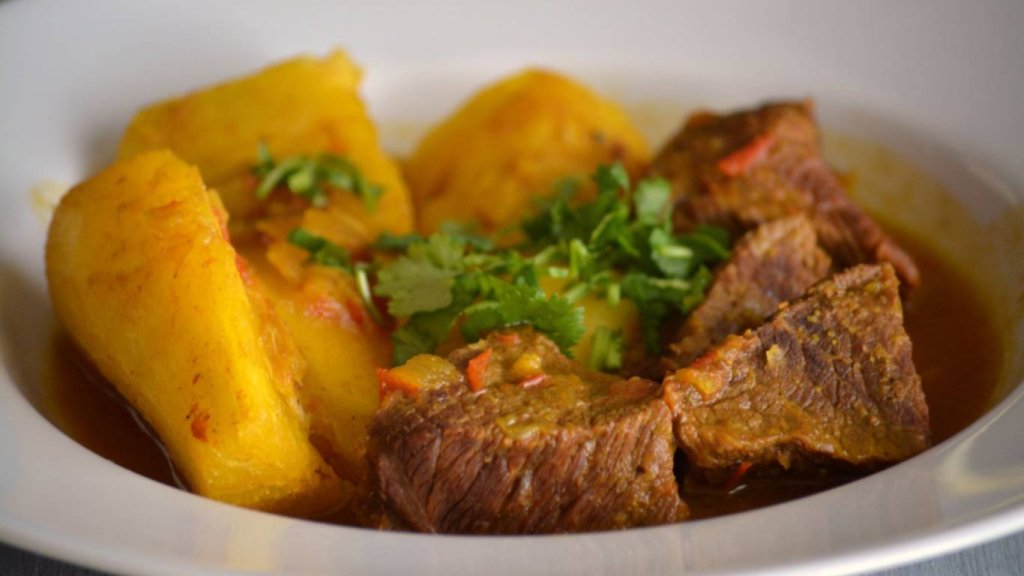
Sudado is a traditional stew eaten throughout Colombia but is particularly popular in the Coffee Zone. This sudado consists of meat and vegetables slowly cooked in water and its own juices for a flavourful and delicious dish.
In the Eje Cafetero, sudado is typically made with meat (beef, pork, or chicken), potatoes, yucca, plantain and local seasoning. Most often it is often accompanied by rice and salad. This famous and delicious dish is an absolute must-try!
Begin organizing your dream Colombian getaway right away by using our Plan My Trip page!
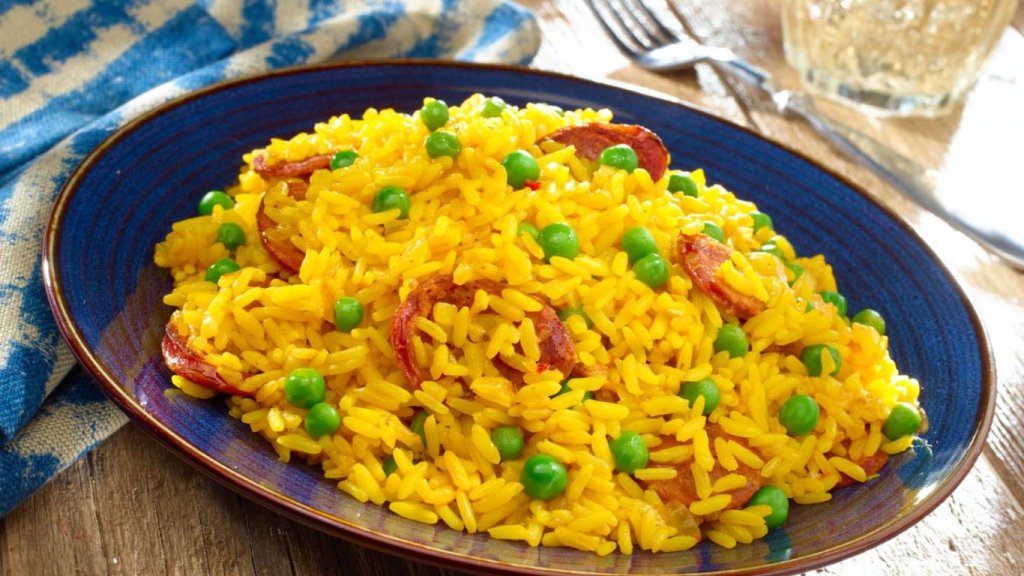
ARROZ CON CHORIZO
Chorizo sausage is very popular throughout the country. This cured and smoked pork meat is typically seasoned with vinegar, garlic and paprika to give it a traditional Colombian flavor.
In the coffee region, arroz con chorizo is made with rice, onions, garlic, vegetables, cumin and local seasoning added to the pork meat.
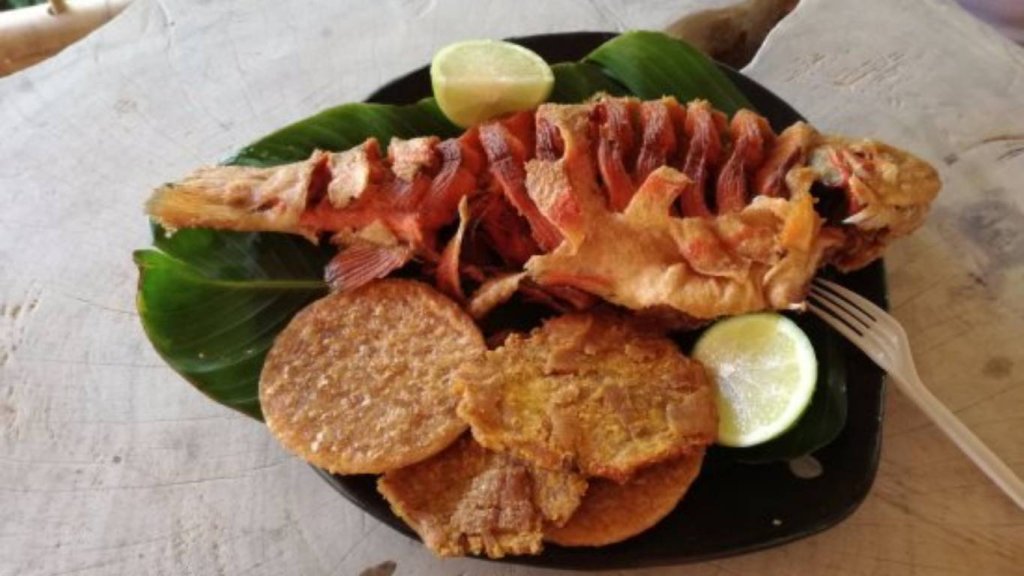
TRUCHA
The streams and rivers in the Eje Cafetero are home to voluminous amounts of rainbow trout, which is enjoyed in several different ways. Try it fried, grilled, or sauteed in garlic, served on top of a crispy patacón – a deep-fried plantain and salad.
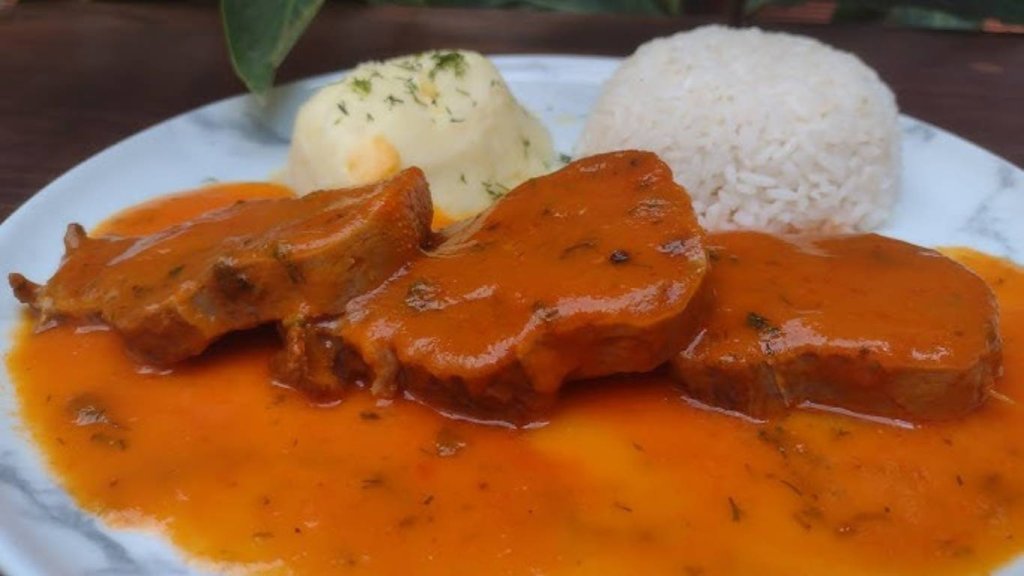
LENGUA DE RES EN SALSA
Beef tongue is a very popular dish in Colombia (and Latin America in general). So much so, that many Colombian homes serve it regularly enough that children get used to eating it before necessarily knowing what it is!
Although beef tongue is served throughout the country, it has its origins in Caldas, in the coffee region. The sauce is what really sets this dish apart, made with coriander, thyme, beer or wine, butter and garlic for an explosion of flavors. Regardless of your experience with your tongue, we thoroughly recommend that you try this dish.
You will be pleasantly surprised at the amazing flavor and texture of this cut of meat.
Start creating your dream Colombian adventure by using our Plan My Trip page now!
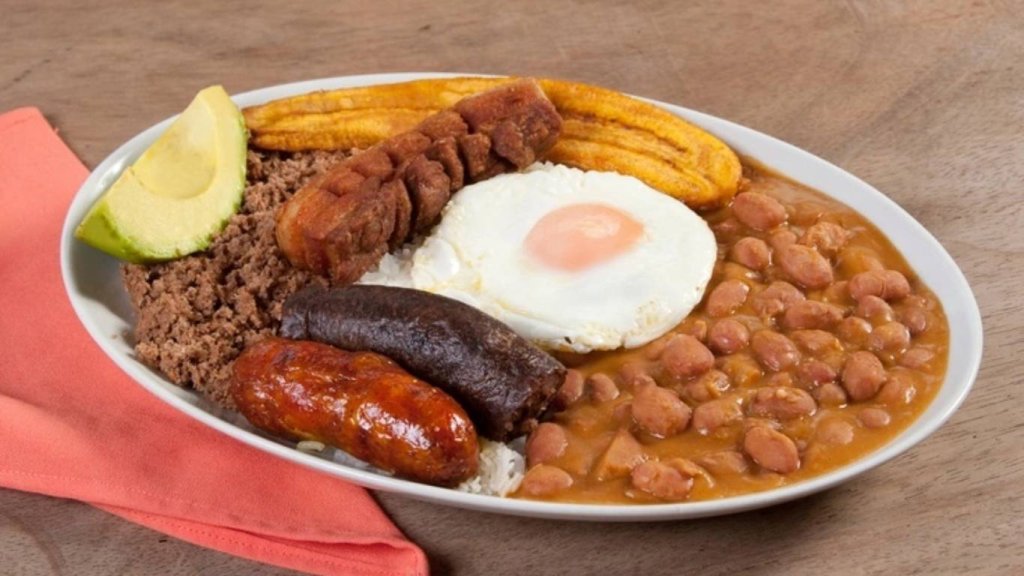
BANDEJA PAISA
Literally translating as the countryman’s platter, this dish contains all the elements that define the Colombian coffee region. Chicharron (fried pork belly), avocado, lentils, rice, chorizo, plantains, beans and ground beef, usually topped with a fried egg and an arepa.
All the flavors of the Eje Cafetero in one delicious and fulfilling meal.
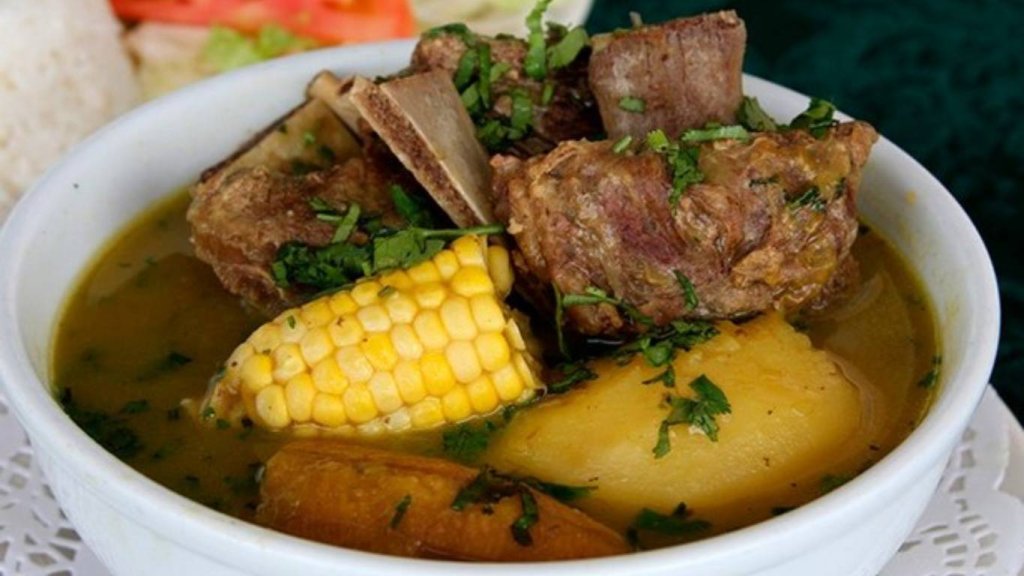
SANCOCHO
The comfort food of Colombia, this savory soup is traditionally made with potatoes, yuca and plantain boiled with either meat or fish to create a stunning broth. Topped with a generous portion of cilantro, it is the perfect dish to enjoy at any time.
ASORRETE
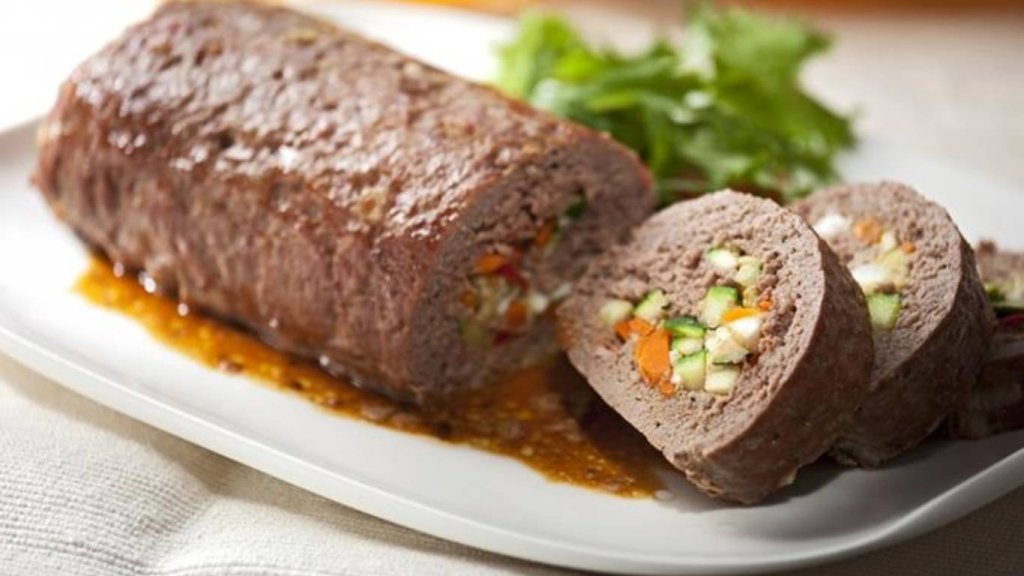
This meal is so traditional to Caldas, that many Colombians living outside the Eje Cafetero are not even familiar with it. Asorrete has unique origins, with influences from local indigenous communities, the Spanish and Afro-descendants.
It is very similar to meatloaf and is made by combining ground beef, bread, egg, cheese, salt and pepper. Then this is roasted in an oven and frequently served with bacon, beans and salad. This tasty meal is often shared amongst families at lunchtime.
Take the first step in planning your dream Colombian vacation by using our Plan My Trip page now!
BUÑUELOS
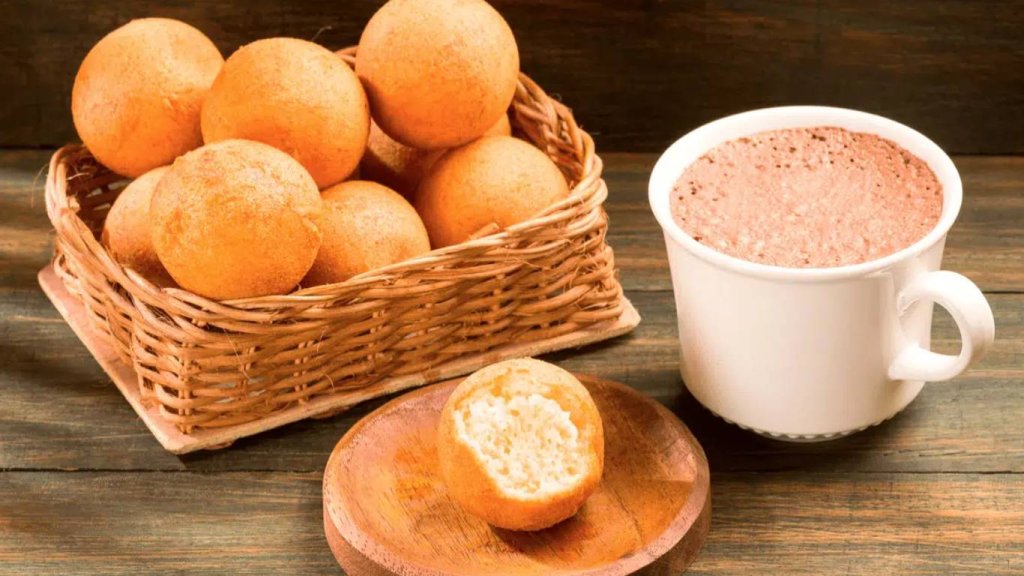
These delicious fried dough balls are commonly eaten for breakfast or as a snack with a cup of coffee or hot cocoa. The donut-like treats are made with oil, cheese, cassava flour and corn starch. They can be found on almost every street corner in the Coffee Region.
Although buñuelos are enjoyed year-round, they are particularly popular during Christmas festivities and are never missing from the dining table in December. Crunchy on the outside and soft and fluffy on the inside, you absolutely must try these delicious snacks when visiting Colombia.
Start creating your dream Colombian adventure by using our Plan My Trip page now!
SIROPE
Sirope is a traditional drink from the coffee region made with panela (unrefined whole cane sugar), lemon juice, cloves and cinnamon to taste. This delicious beverage has been drunk by farmers in the Andean region of Colombia for many years and the refreshing concoction is perfect for cooling down on a hot day.

MISTELA
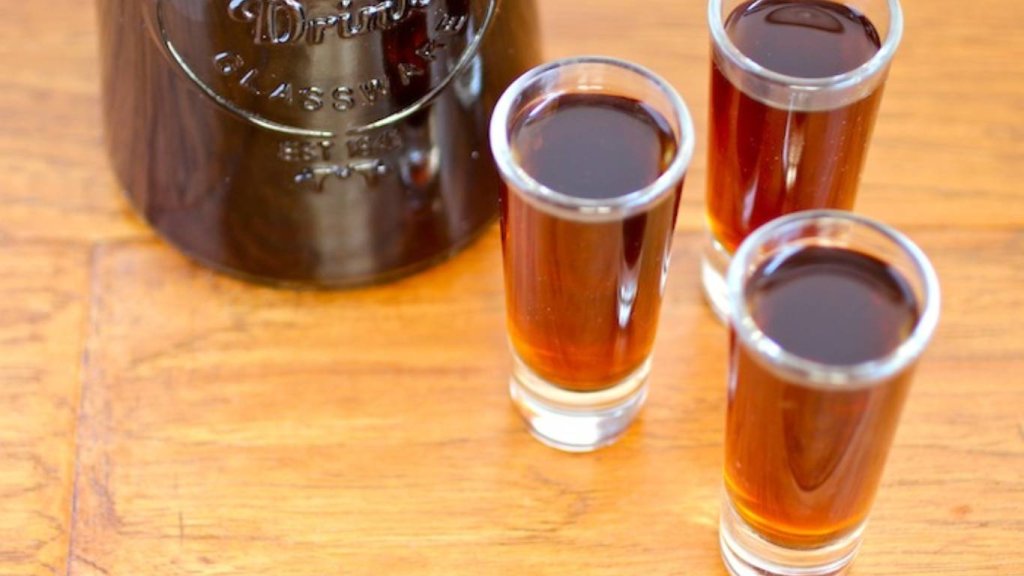
Mistela is an alcoholic drink made by fermenting blackberries (and sometimes with other fruits) for at least two months. Colombia’s famous Antioquian Aguardiente is occasionally added to this sweet and tasty beverage for extra punch.
Mistela is very traditional in places like Caldas, Tolima and Huila, where it is said that local women started drinking it instead of brandy, which was deemed too strong for them.
The beverage was frequently drunk during the region’s traditional religious festivals and nowadays it forms a large part of local culture and custom.
CAFÉ COLOMBIANO
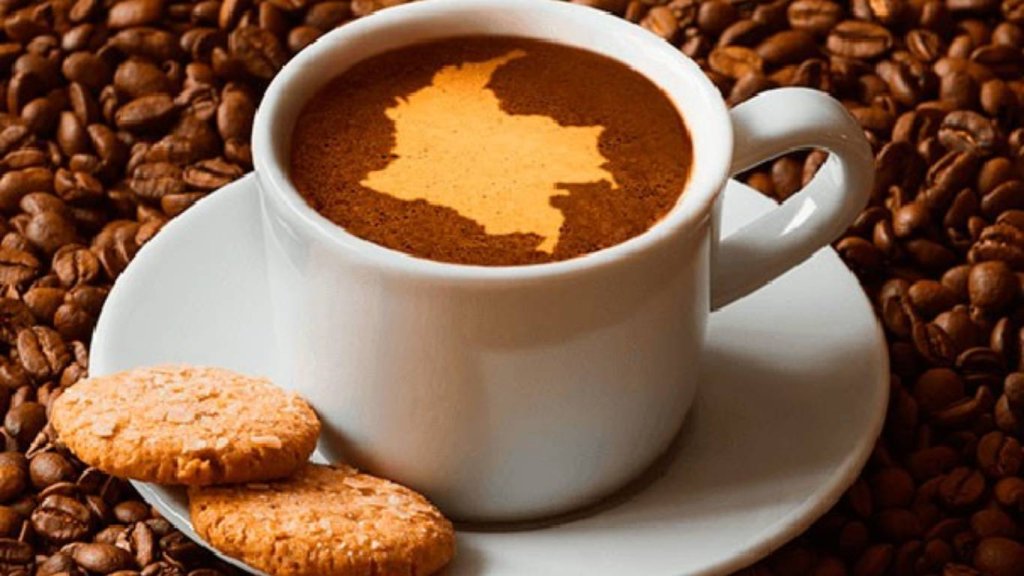
A visit to Colombia’s coffee region would not be complete without enjoying some of the finest coffee in the world. Gently sip on a steaming cup of freshly roasted coffee, the beans picked straight from one of the many local coffee plantations amongst the spectacular landscapes.
Historians are still not entirely sure how and when coffee arrived in Colombia, but it is thought that Jesuit priests brought seeds over around 1730, when they arrived with the Spanish settlers.
However, there are many different versions of this story. The first shipment of coffee overseas was not until 1835 when 2,500 pounds of coffee headed from Colombia to the United States.
What is known is that coffee is an important aspect of Colombian identity, providing for tens of thousands of livelihoods throughout the country.
Do embark on a coffee finca tour where you can learn all about the Colombian coffee-making process including cultivation, coffee varieties, the harvesting process, drying, roasting and different preparation methods. Understand what makes Colombian coffee some of the best in quality and aroma around the world and why a tinto (small black coffee) is so important to Colombians!
Start creating your dream Colombian adventure by using our Plan My Trip page now!
AGUARDIENTE AMARILLO
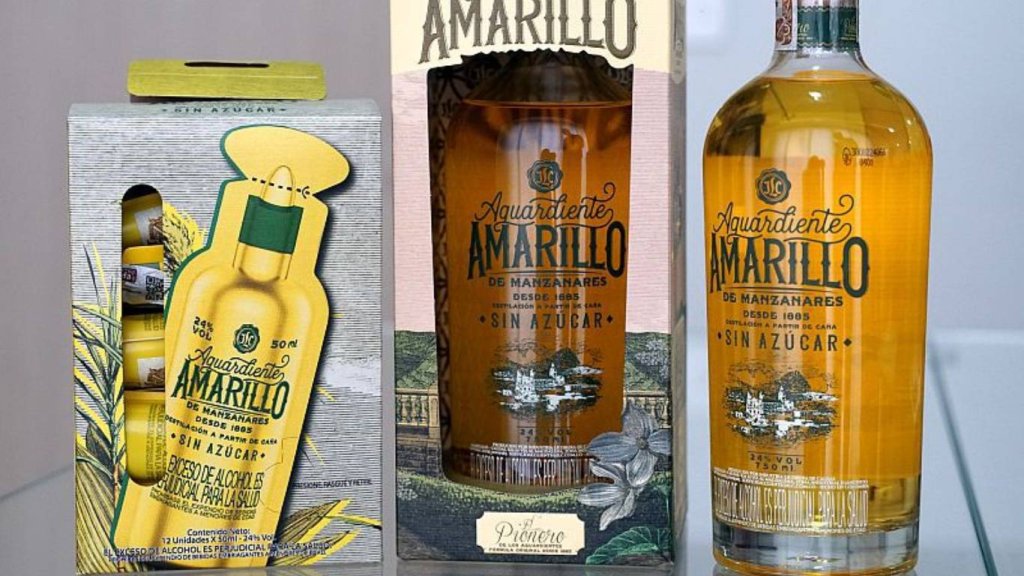
A unique version of Colombia’s national drink, hailing from the Caldas pueblo of Manzanares. This liquor is distilled from molasses, honey and cane sugar, giving it a distinctly sweet flavor.
The manufacturing process of aguardiente amarillo is done by hand, resulting in the drink not reaching 100% purity and thus having a smoother, fuller-bodied flavor.
AGUAPANELA
Made from fresh sugarcane (panela) combined with water, this drink is served hot, cold, and mixed with lime, or whichever way you would like it. A delicious way is to try aguapanela con queso (cheese) –warm aguapanela served alongside a hunk of queso campesino (farm cheese).

Like to create or customize a fantastico package tour of Colombia? Use our Plan My Trip page to start planning your dream Colombian vacation now!