
Savouring Street Food in Colombia
It is not only about Guatape, Monserrate, majestic mountains or glorious beaches. Colombia has amazing local street food that is so worth making the effort to explore.
The heart of Colombian culture can often be found sizzling on the grills that line the bustling streets. Street food in Colombia is not just about sustenance; it is a rich narrative, an edible story where each offering is a word and every platter a chapter. As you crisscross the vibrant markets and provocative plazas, a plethora of flavors entice, promising not just a repast, but an experience.
Envisage the sweet aroma of caramelizing plantains intertwining with the smoky hushed tone of grilling beef. Conjure up images of street vendors, and artisans of flavor, deftly tossing arepas and empanadas with a rhythmic inflection that becomes the passage of your Colombian culinary journey.
These are the flavors that define the true taste of Colombia, the ones you will reminisce about long after the experience. There is a tacit charm in joining locals at a street stand, observing your chosen bite to eat being prepared with a fusion of tradition and personal flair.
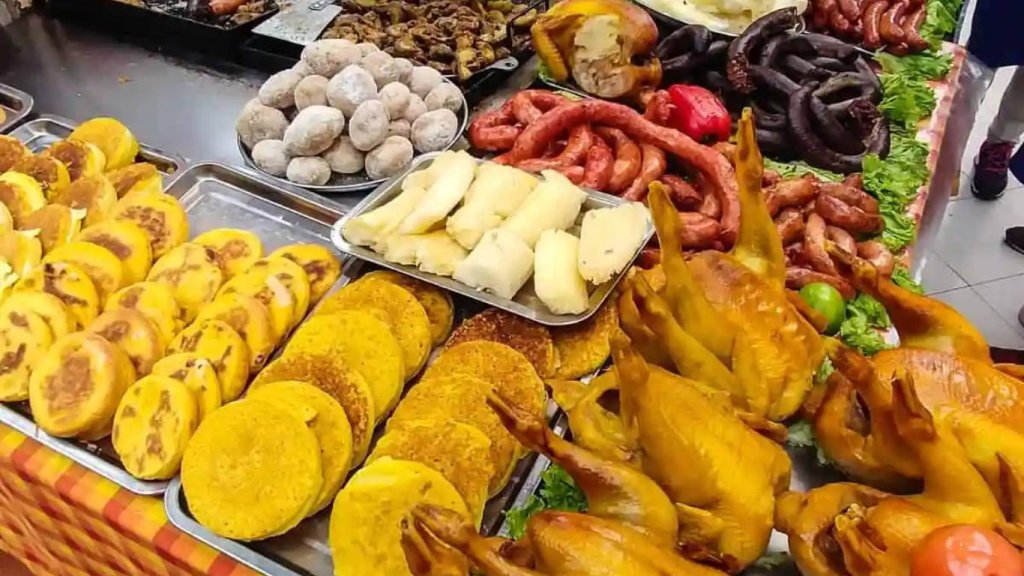
The ever-present arepa, a symbol of Colombian national identity, can be found with an infinite selection of fillings, from the uncomplicated, yet delectable cheese, to the moreish explosiveness of a well-seasoned chorizo. In Colombia, street food is an art and every vendor is a maestro in their own right.
You will encounter the merging of indigenous, Spanish, African and Caribbean influences that have sculpted Colombian street food into a distinct and dynamic gastronomy.
Street food is popular and convenient for many Colombians and it is also an important source of income for many families.
We work with and recommend booking flights with www.kiwi.com
Arepa paisa
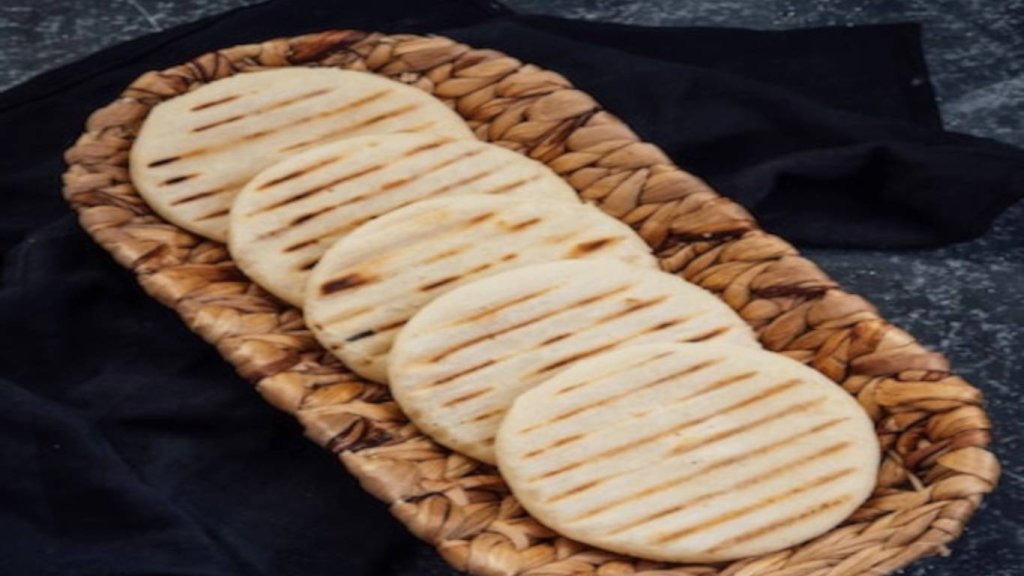
One of the most omnipresent local dishes in the Paisa region of Colombia is the traditional arepa paisa, made from soaked threshed corn that is shaped round and grilled until golden brown.
This crispy and luscious corn cake can be eaten on its own, served as a side dish, or topped with variable items such as cheese, meat, or eggs.
The versatility of the arepa paisa is only matched by the love the locals have for it. A traditional breakfast in this region is centered on the arepa being topped with butter, salt and slices of cheese. Oftentimes the arepa is part of all meals all day! Since arepas are to be easily found, they are always there for a delicious quick snack or as a side to a main course.
Begin organizing your dream Colombian getaway right away by using our Plan My Trip page!
Arepa de choclo
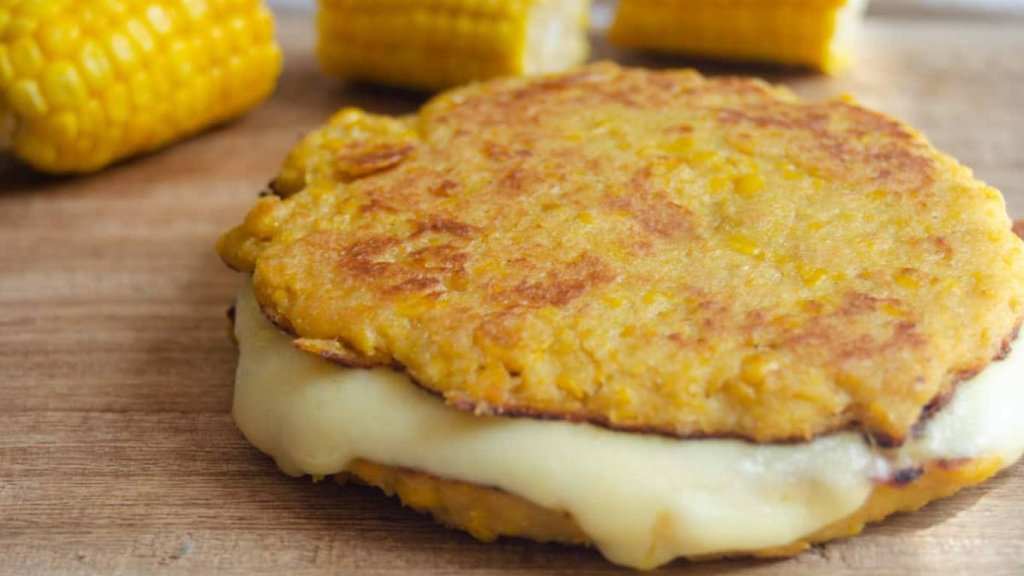
Arepa de choclo, is a Latin American corn dish that can be categorized as either a pancake, tortilla, or flatbread, depending on the country. This is extremely popular and universal in Colombia.
They are made only of corn, or at times have additional ingredients like sugar, water, milk, salt, butter, cheese and oil. They are typically prepared by street vendors and are either fried or griddled and characterized by their starchy taste with a slight honeyed flavor.
They can be eaten plain with a beverage, wrapped around a filling, or topped like an open-faced sandwich with the likes of cheese, shredded pork, sour cream and eggs. They can be eaten any time of day, but typically they are taken at breakfast with a coffee or a quick late-night snack.
Picada Colombiana
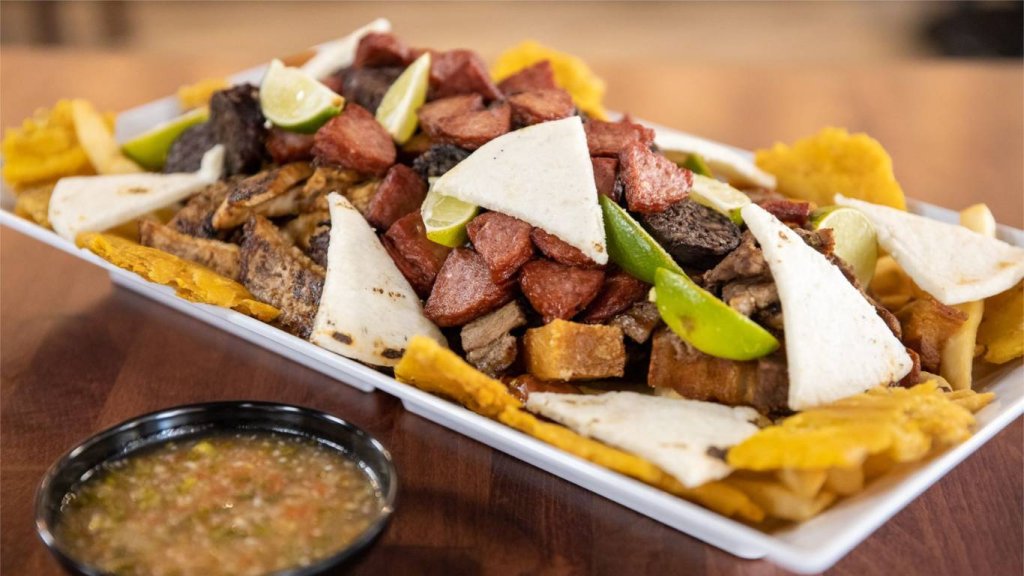
This is a traditional Colombian dish where a variety of grilled or fried meat and vegetables are served on a large platter. The dish is usually prepared on Sundays for family and friends or at various special occasions and celebrations, but it can also be found served as street food.
Picada Colombiana typically includes papa criolla (potatoes), pork, chicken, beef, morcilla blood sausages, longaniza (sausage), arepas, guacamole, sweet plantains and envuelto (corn on the cob). Season this hearty dish with a good squeeze of lime juice, which is normal for many dishes in Colombia.
Take the first step in planning your dream Colombian vacation by using our Plan My Trip page now!
Avena
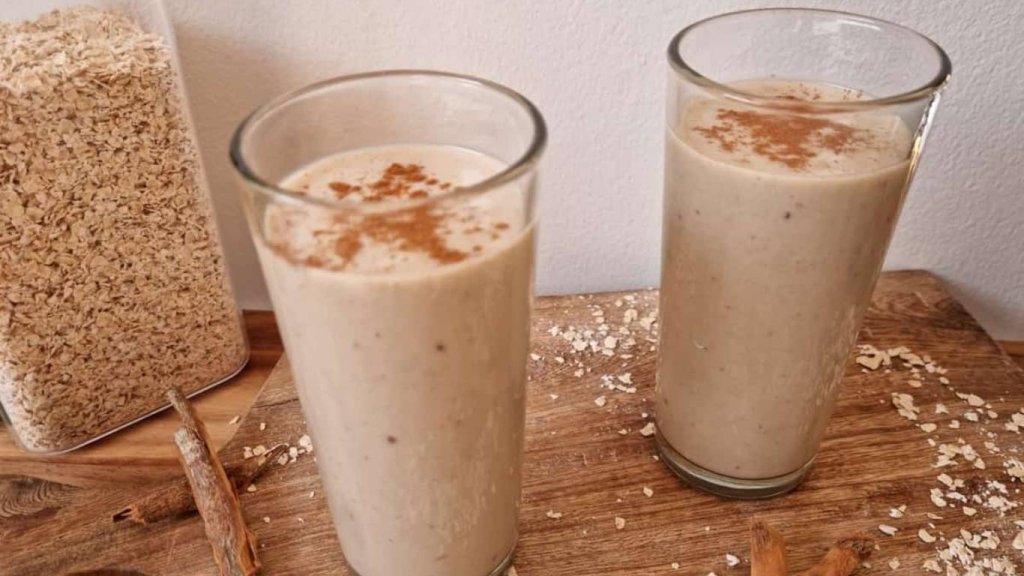
Avena is a deliciously thick and creamy oatmeal-based drink found on the streets of the cities and pueblos of Colombia. Made by boiling oats and water that is infused with cloves and cinnamon and of course a dash of sugar and salt.
While it is an easy drink to prepare, it packs a punch and delivers on flavor – deliciously rich and creamy. Avena is also one of the most popular drinks in the Andes.
Start creating your dream Colombian adventure by using our Plan My Trip page now!
Carimañola
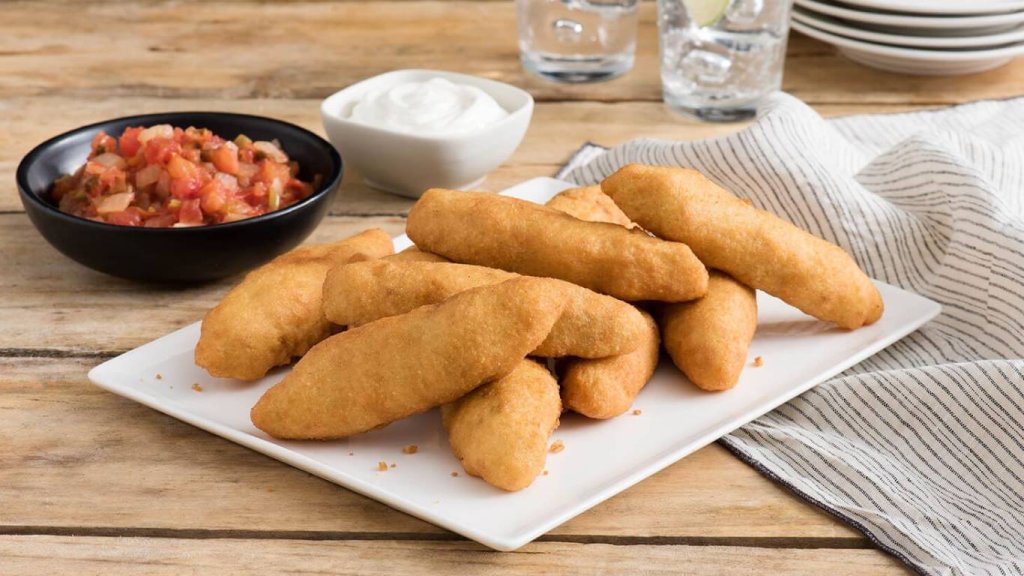
Carimañola is a common street food, particularly in the Caribbean region of the country. They are small, elongated fritters made using yuca flour and are usually stuffed with meat or cheese.
While these are the most common carimañola fillings, many other variations can be found as families all have their own specific versions of the fritter. While they are similar to empanadas, they use mashed yuca instead of corn flour, making them softer in texture.
Casabe
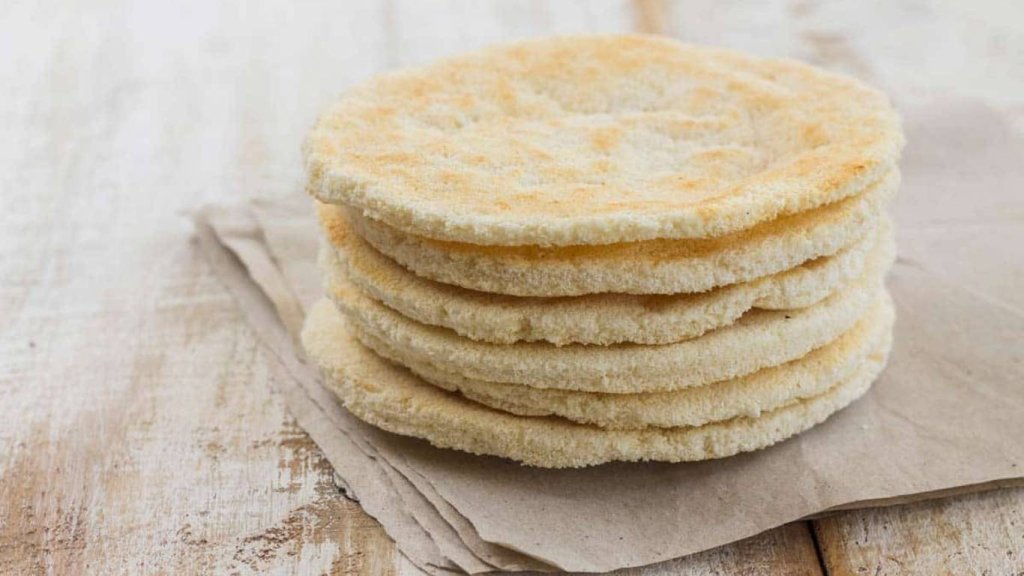
This is another one of the Colombian street food items that uses yuca flour as its base. While this flatbread-type dish is found throughout South America, it was once a staple food item in Colombia.
Created by the Taino Indigenous people over 500 years ago, it is still going on today but has evolved. Nowadays many variations of casabe can be found throughout the country, but one of the most popular versions is called casaba con queso de capa.
This version uses curdled cheese, similar to mozzarella, that is found in Mompox and nowhere else.
Churros
Churros is a word that you have most likely heard before. While the namesake originates from Spain and Portugal, the Colombian street food version is a little different.
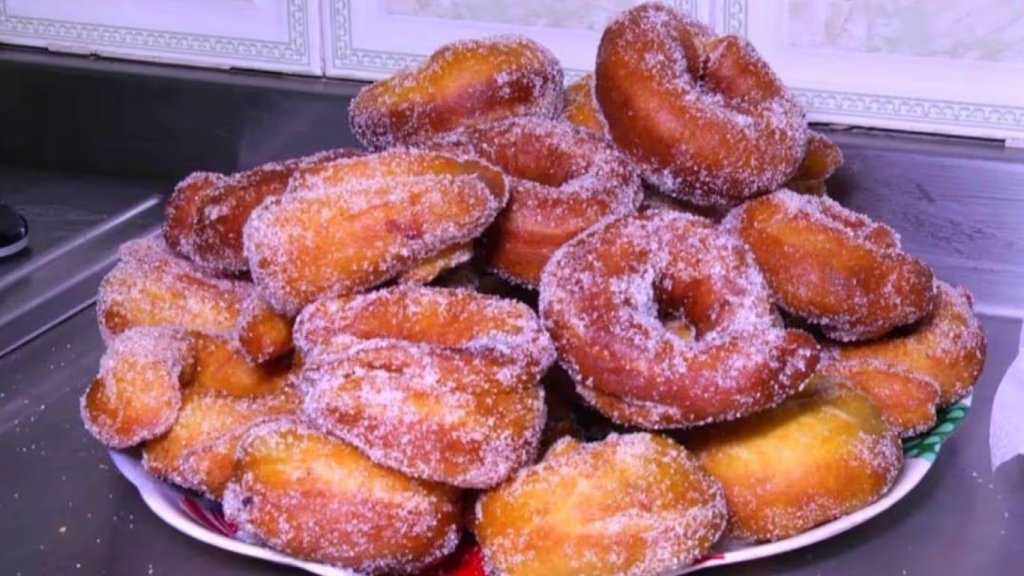
While the Spanish one is normally served with a side of chocolate dipping sauce, the Colombian churros are usually served on their own, sprinkled with a dusting of sugar.
In Medellín however, you will be able to find churros accompanied by a side of arequipe for dipping the churros.
Empanadas
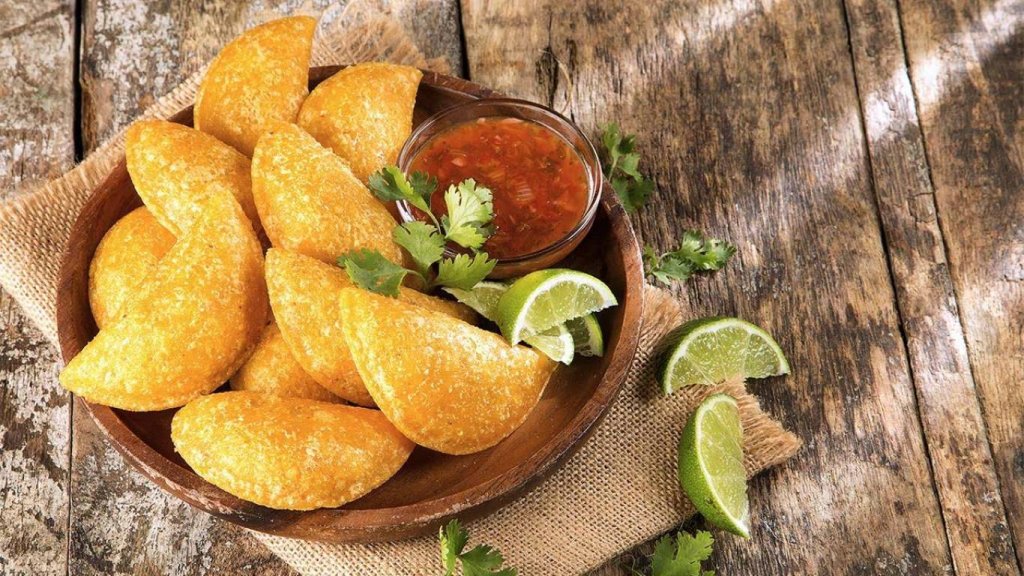
Empanadas are not a uniquely Colombian street food favorite, as they are found throughout Latin America and Spain. Colombian empanadas, however, are made using corn flour and each region has its own specialty.
These corn fritter pockets are filled with a variety of tasty ingredients including ground meat or shredded pork and chicken, with a potato filling for a vegetarian option. Empanadas make for a tremendous snack while on the go.
Lechona
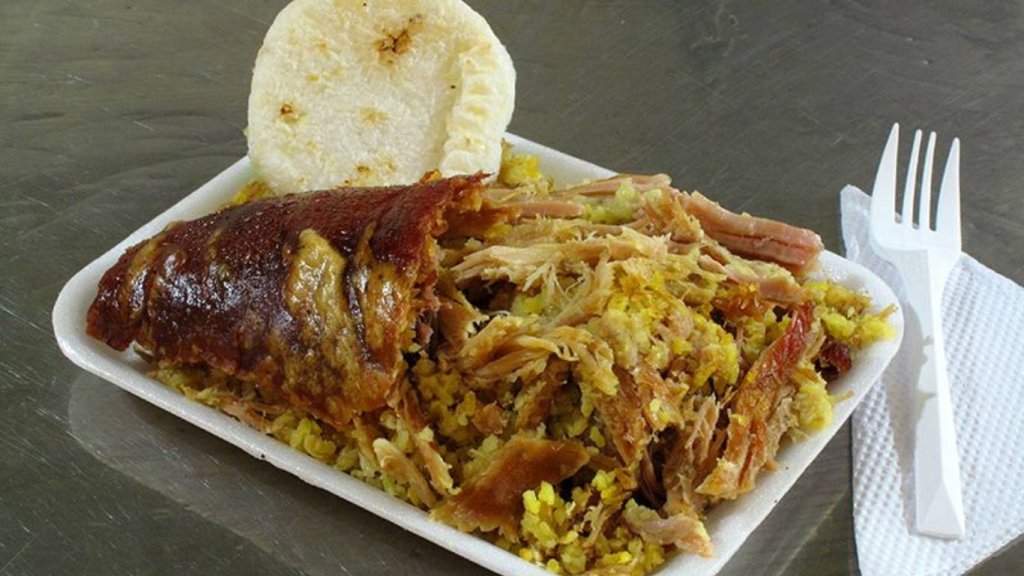
Pork is one of the most commonly enjoyed meats in Colombia and Lechona is one of the most loved delicacies. Lechona is a slow-cooked suckling pig that is roasted over the coals until it is crispy on the outside, tender on the inside and bursting with flavor.
The pork is stuffed with rice, peas and spices before being baked. It is sold by street vendors all over Colombia, served with arepas or tamales – and of course ají hot sauce.
Mazamorra
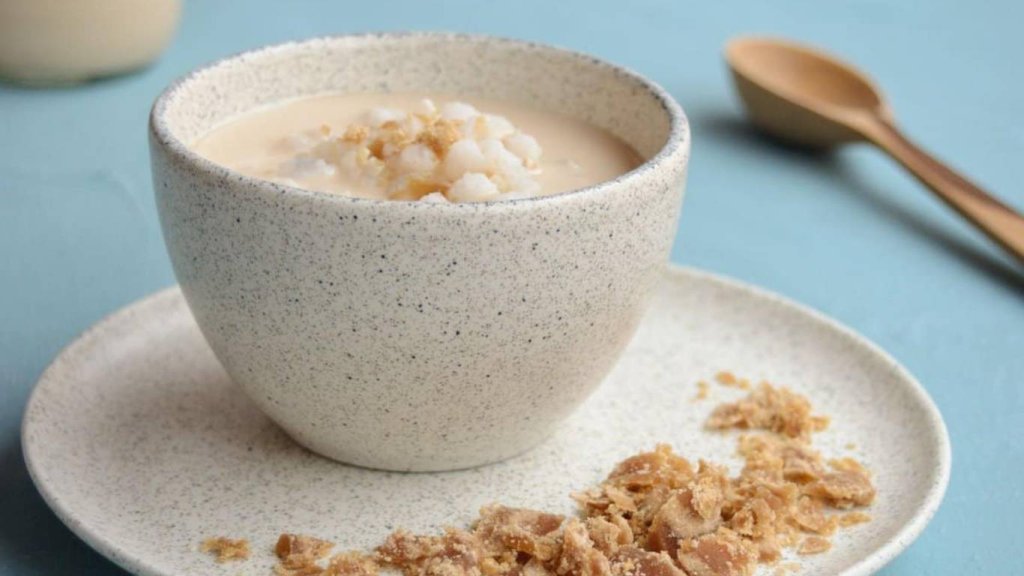
Mazamorra is a popular drink made from dried, cracked corn and water. The mazamorra Antiqueña is served with milk and either panela (brown cane sugar) or bocadillo (a guava paste).
While there are many different variations of mazamorra throughout Colombia, the version above from the Antioquia department is the winner. Colombians also enjoy mazamorra as a dessert and many cannot resist the sweet treat.
Obleas
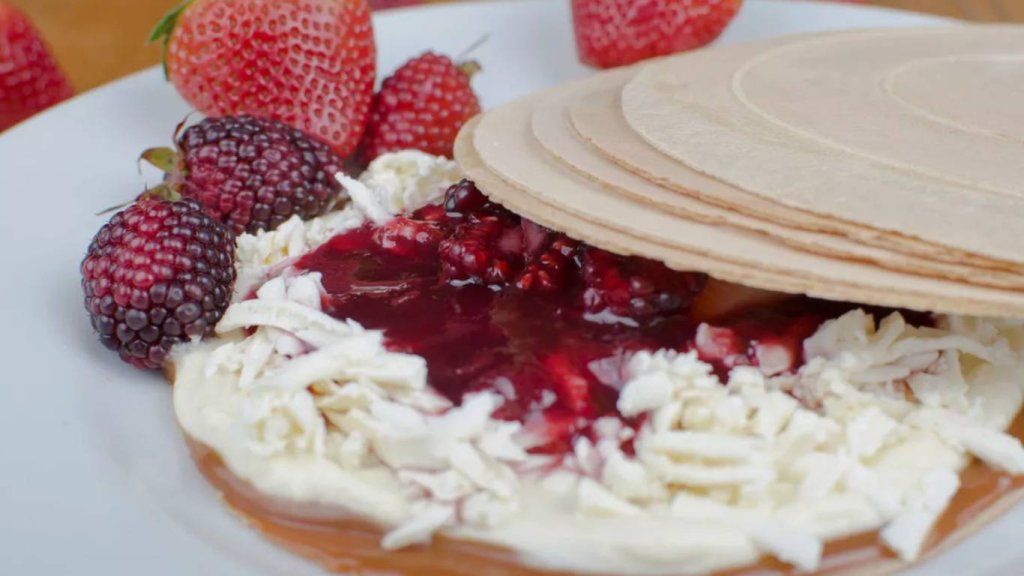
Obleas are another one of the sweet Colombian street food treats – a large, round wafer Traditionally, obleas are served with the Colombian dulce de leche, or arequipe, but can also be topped with jam, cheese and chocolate sprinkles.
While obleas are enjoyed throughout Colombia, they can also be found in other Latin American countries like El Salvador, Mexico, and Venezuela. The obleas carts appear in the streets with big wafers stacked one on top of the other with their arrays of jars containing the accompaniments.
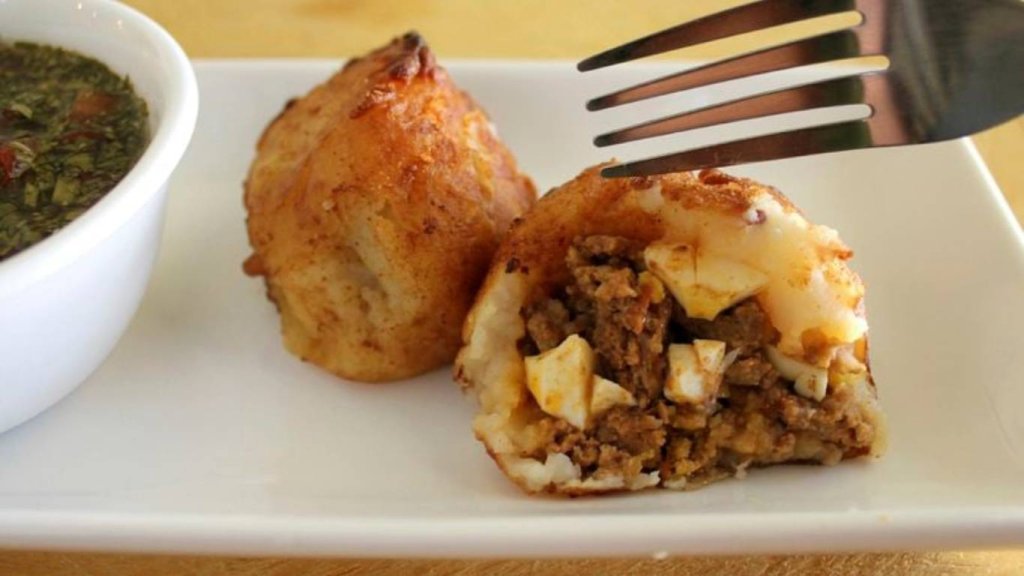
Papa Rellena
They are made using the delicious Colombian potato that is formed into balls and stuffed with spices, meat and vegetables. Colombians much enjoy papa rellena as a quick bite on the run or as a breakfast dish which can be served either hot or cold.
It is like a big fried potato ball, crispy on the outside and soft and delicious on the inside. They are usually served with traditional ají for some added whoomph.
Tamales
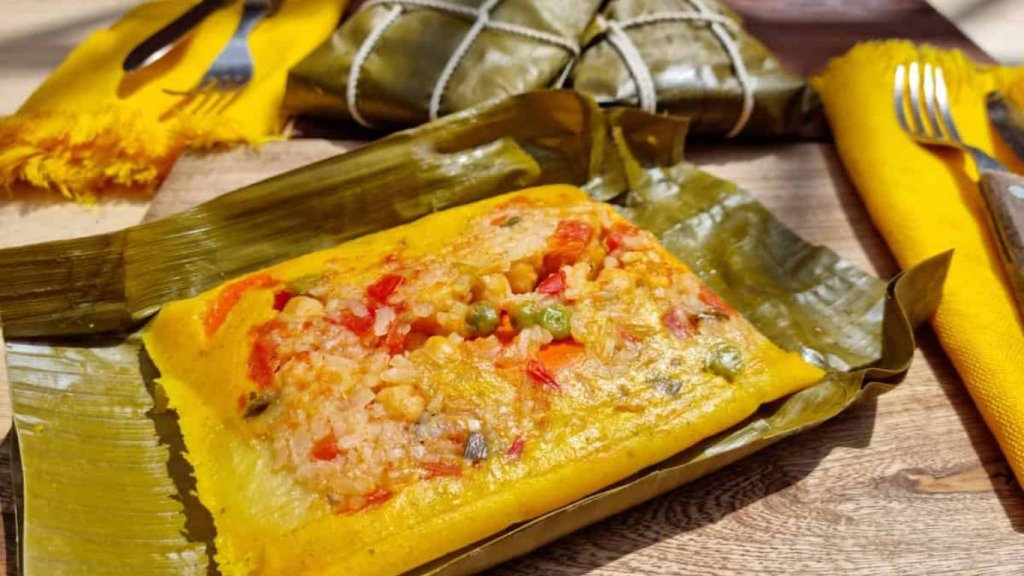
An ever-popular street food found throughout South and Central America as well as Mexico and of course, Colombia. They are a simple preparation of corn flour dough that is filed with cheese, meat or vegetables, then steamed and wrapped in banana leaves or corn husks.
Again, there are so many variations of this popular Colombian street food. However, one of the most notable variations hails from the Tolima Department. These are the Tamales Tolimenses and are filled with a combination of ingredients, including chicken and pork along with vegetables – carrots and potatoes and even rice and eggs. The people of Bogotá enjoy serving the tamales tolimenses with a regional specialty called chocolate santafereño.
Chocolate santafereño is not your any old hot chocolate, it is hot chocolate taken to the next level. A small metal pot called a chocoletera or an olleta is used to melt the chocolate and then it is whipped. Queso fresco (fresh cheese) is then added which gives the hot chocolate a somewhat umami (savory) and salty taste.
Begin organizing your dream Colombian getaway right away by using our Plan My Trip page!
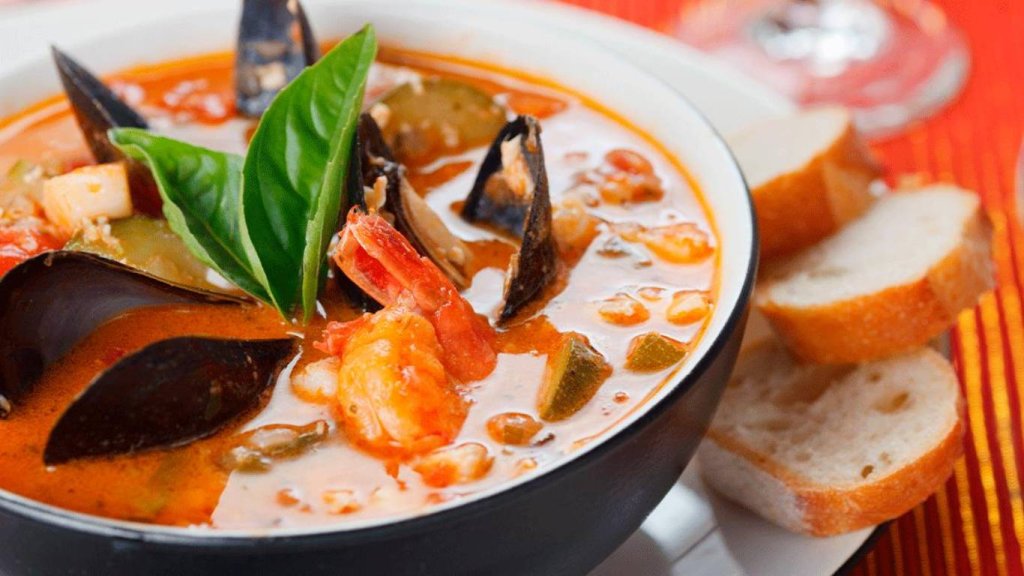
Cazuela de Mariscos
In Santa Marta locals call one of the many church plazas “sopas de la parque” (soup park). Here there are plenty of street vendors selling fresh fish and seafood stews along with other fish dishes with rice.
They are mostly from San Andres Island and bring the very best seafood recipes with them. Do not go too late in the day or you may be disappointed to find them sold out.
Patacones
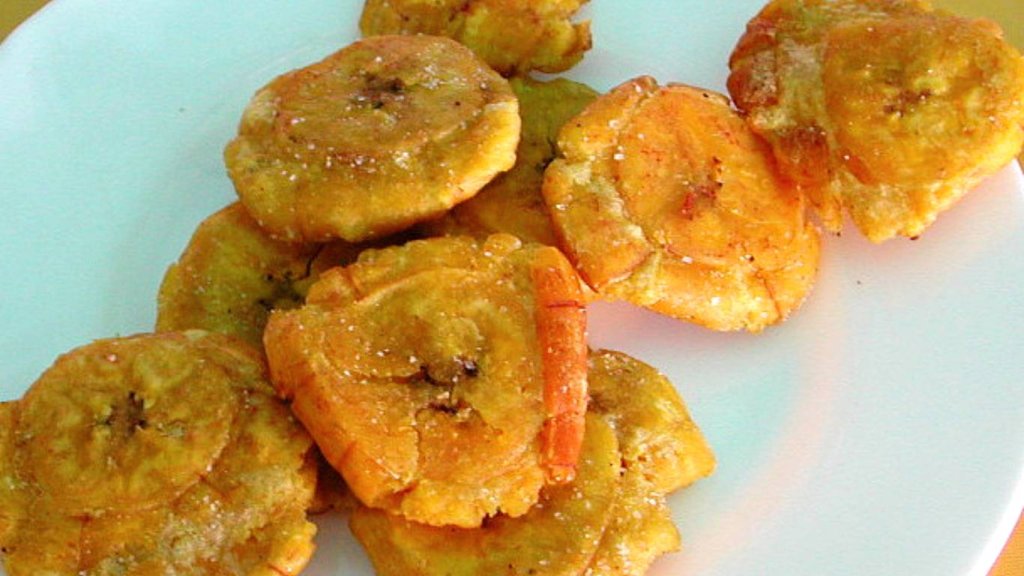
Patacones are popular in Central and South America, as well as the Caribbean. The Colombian version is commonly served with fried fish or meat if you are on the coast. In Medellín, they are more likely alongside bandeja paisa.
Buñuelos
In Colombia, the buñuelo is most famous as a Christmas treat but, in reality, this snack is consumed year-round. It is commonly found at breakfast with a coffee or hot chocolate.
The buñuelo is made from yuca flour, and corn starch and filled with a divine cheese. This is a must-try dish when in Colombia!
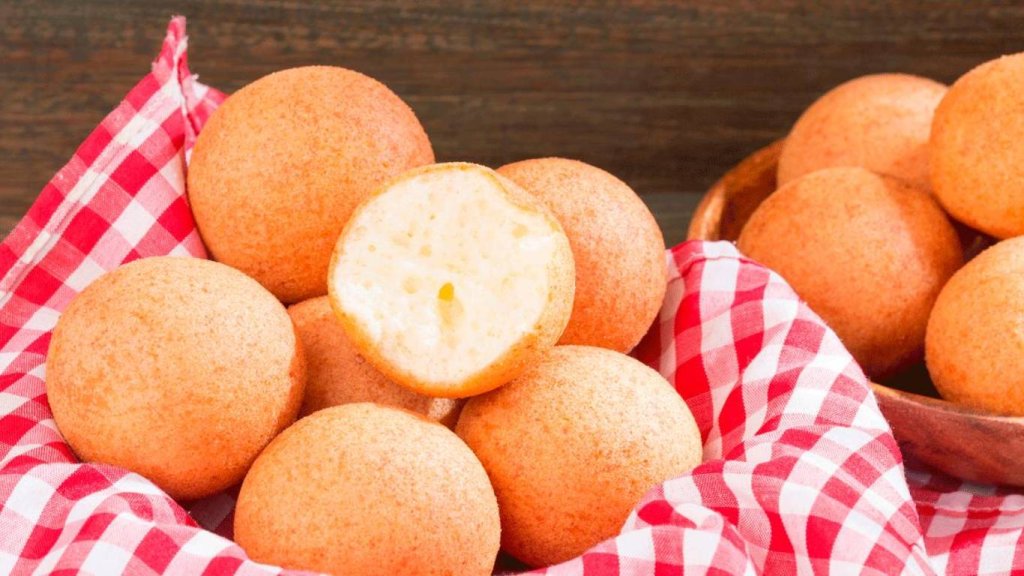
Pandebono
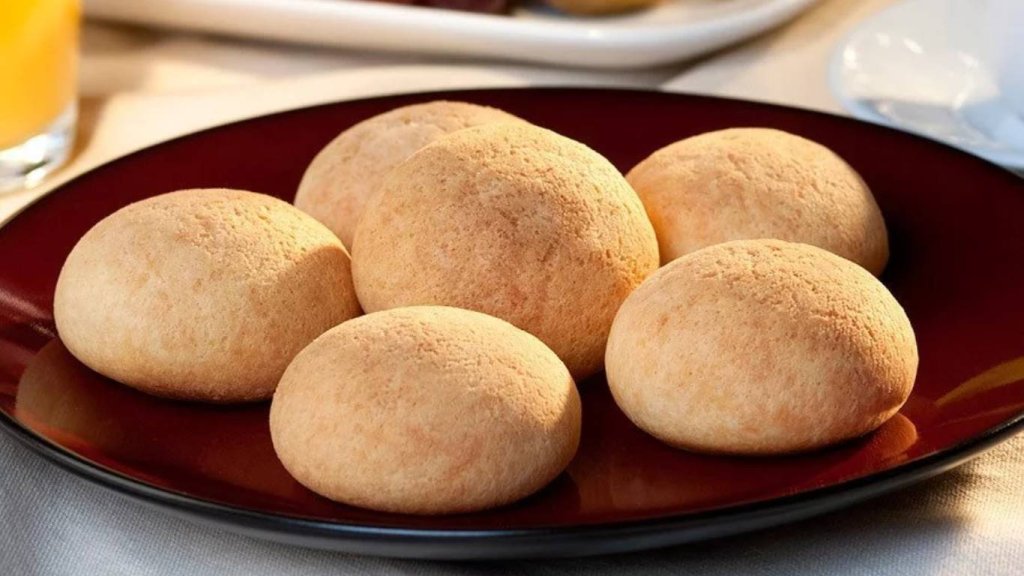
One of the simplest street food delicacies, pandebono is most commonly consumed in the morning, although you will find lots of places selling it throughout the day.
Pandebono is made with yuca flour, cheese and egg. Although it is most famous in Cali and the Valle del Cauca region, it is nowadays an extremely popular street food throughout Colombia.
Begin organizing your dream Colombian getaway right away by using our Plan My Trip page!
Hormiga Culona
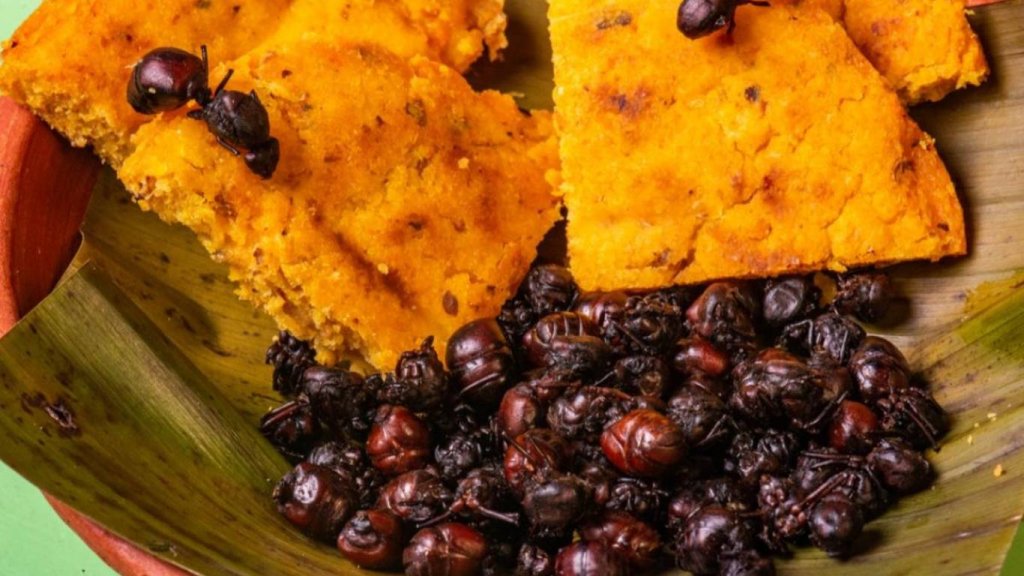
Hormiga culona are world-famous fat-bottomed ants, an unusual delicacy from the department of Santander. Originally harvested by the Guane Indians as a protein source, today there is a time-consuming effort to gather the ants from their nests in springtime.
They are soaked in salted water, then fried and then sold on numerous street corners, sprinkled with salt. Some upscale restaurants make their own gourmet versions of these unusual creatures.
Providing a unique taste and flavor of Colombia, the ants can be somewhat expensive due to the fact that they come out of their nests for only one or two days a year, during the rainy season. They taste a little like peanuts, salty and crunchy and are often compared to pork rinds.
The ants are large and always female, while some believe that they have aphrodisiacal properties. To this end hormiga culonas are sometimes even given as a wedding gift!
Take the first step in planning your dream Colombian vacation by using our Plan My Trip page now!
Postobón
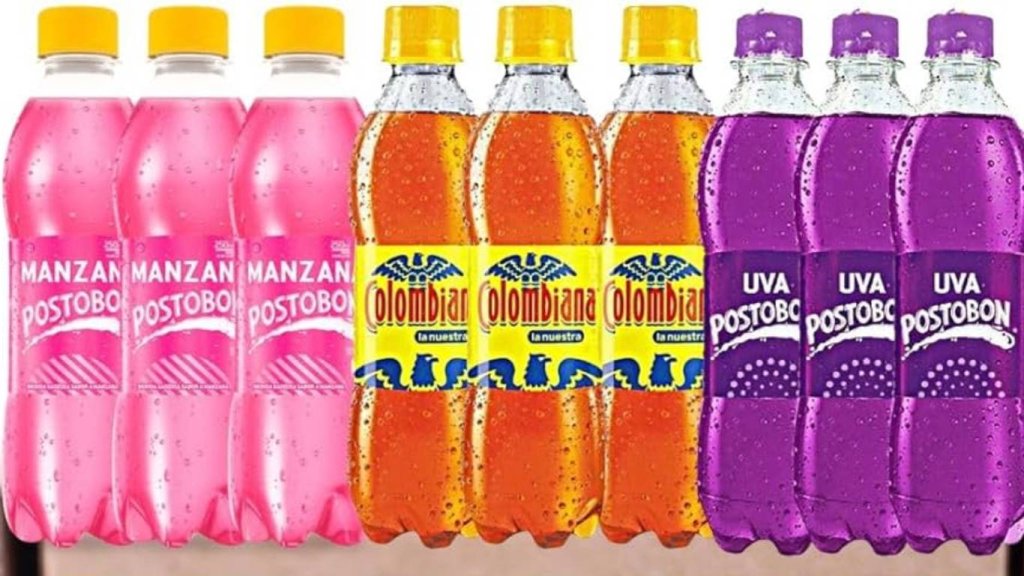
In Colombia, Postobón gives the Coca-Cola Company a run for its money. It is by far and away Colombia’s most popular beverage brand. There is an extensive variety of beverages available all over including soft drinks, fruit juices, flavored teas, energy drinks and bottled water.
However, the most well-known and very popular fizzy drink is Colombiano, which is similar to cola champagne with a taste similar to that of cream soda. Postobón Manzana is a bright pink, apple-flavored refreshment. This rose-colored option has become iconic among Colombians and is the top-selling soft drink.
Colombian Exotic Fruits & Fresh Juices
Colombia is home to some of the world’s most exotic tropical fruits and thanks to the country’s wide range of climates, there is an incredible array of produce to choose from.
Rare and extremely sought-after fruits are commonplace in Colombia. They can be found at most markets, usually locally grown and incredibly affordable.
There are interestingly shaped and coloured fruits while breathing in their fragrant aromas ignites the taste buds.
Some fruits and juices worth trying include
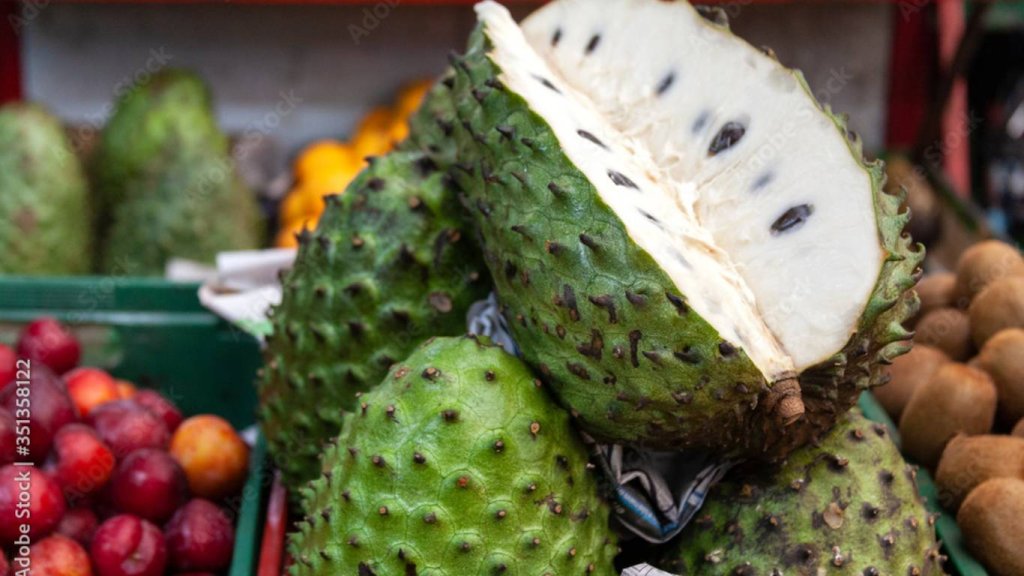
Guanábana
This fruit has a dark green skin and is oval-shaped (not dissimilar to an avocado), but with small prickly spikes on its surface. Inside there is a white smooth pulp and big black seeds which have a slightly acidic taste. It is widely used to make deliciously flavored sweeter beverages like milkshakes, ice creams and jams.
Borojo
Comes from the rainforest and historically has a reputation as an aphrodisiac. It is round and brown and has a really interesting, kind of strange sweet and sour taste. Mixed with milk it becomes a fascinating drink with the texture of yogurt.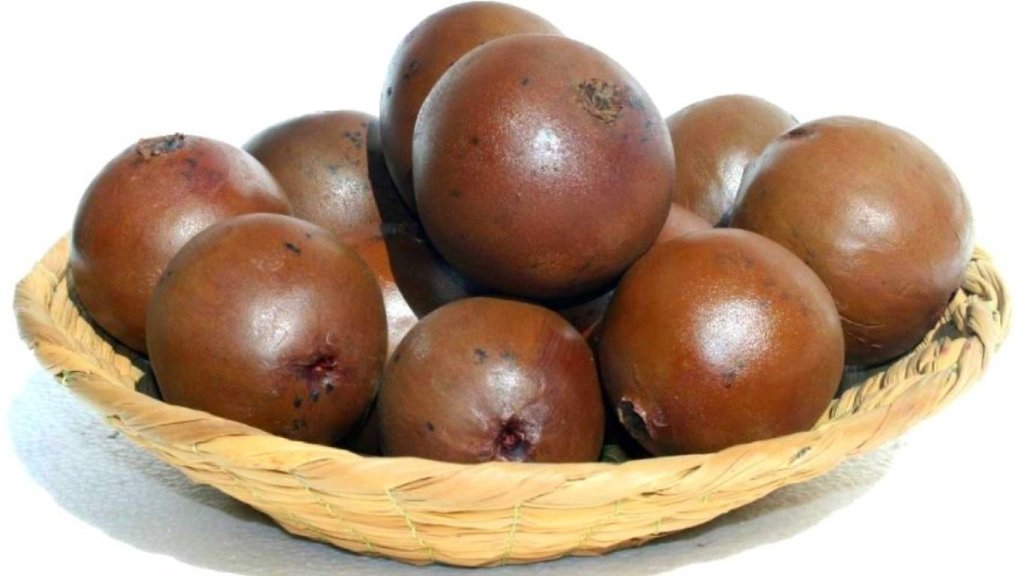
Take the first step in planning your dream Colombian vacation by using our Plan My Trip page now!
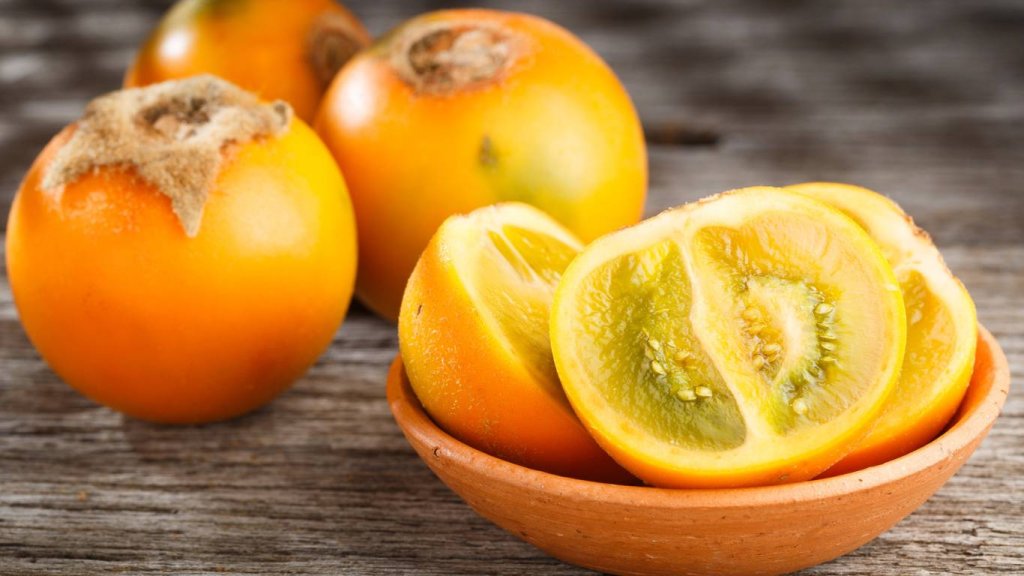
Lulo
A tangy, citrus-like fruit, native to north-western Colombia, it has a yellow tomato look on the outside and resembles a kiwi on the inside. Lulo makes for a very refreshing drink.
Tomate de arbol
This a slightly bitter-tasting red or green/orange egg-shaped fruit, similar to a tomato, but when made into juice is most enjoyable.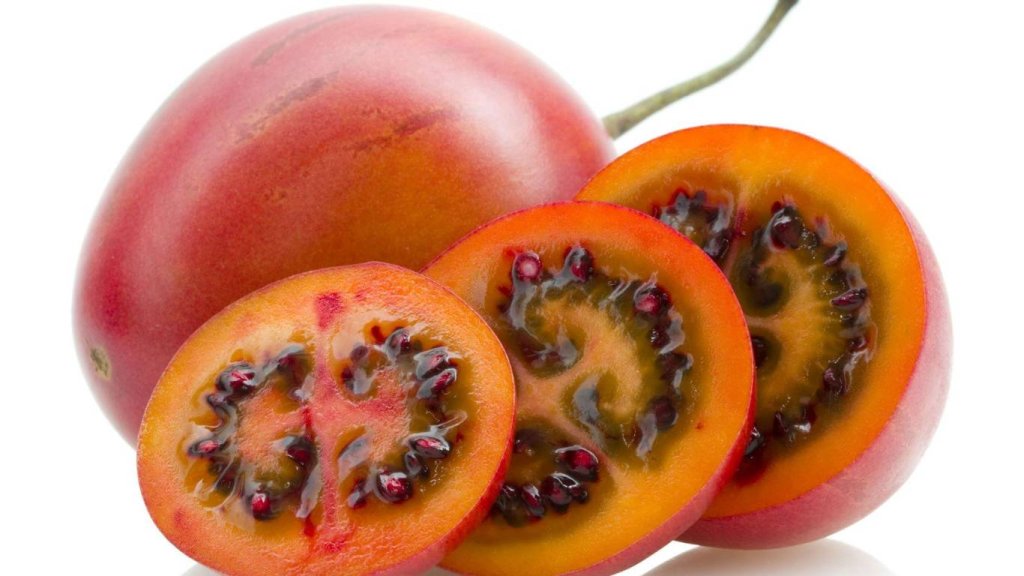
Take the first step in planning your dream Colombian vacation by using our Plan My Trip page now!
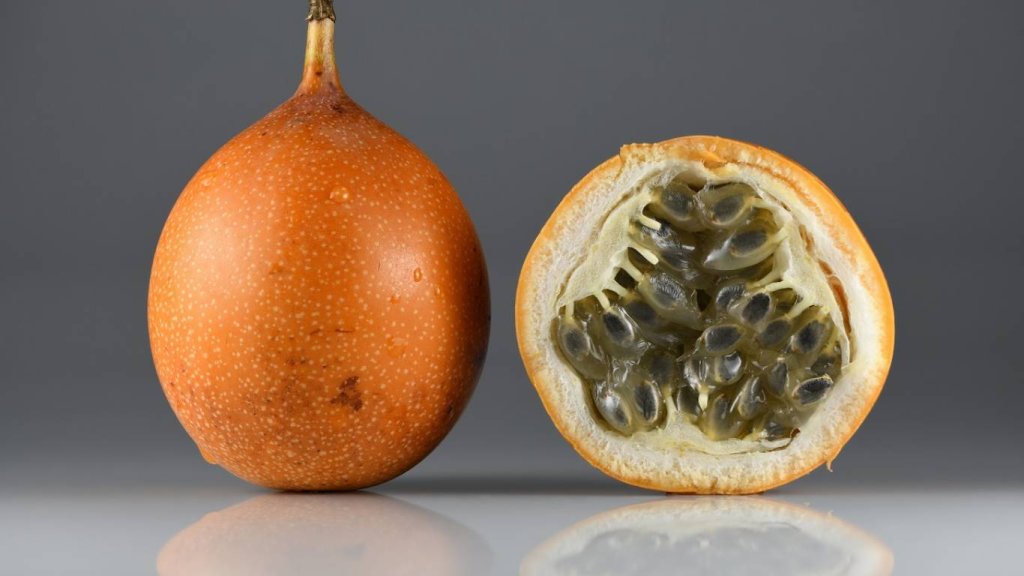
Granadilla
A type of passion fruit, round with a thick yellow outer skin and filled with black seeds surrounded by pulpy membranes. This is for those with a sweet tooth.
Yellow Pitaya
Known in English as yellow dragon fruit, this vibrant yellow fruit has a spiky skin with a white sweet inner flesh and small black sesame seed-looking pips. Yellow dragon fruit possesses many health benefits such as aiding digestion and is rich in vitamin C and antioxidants.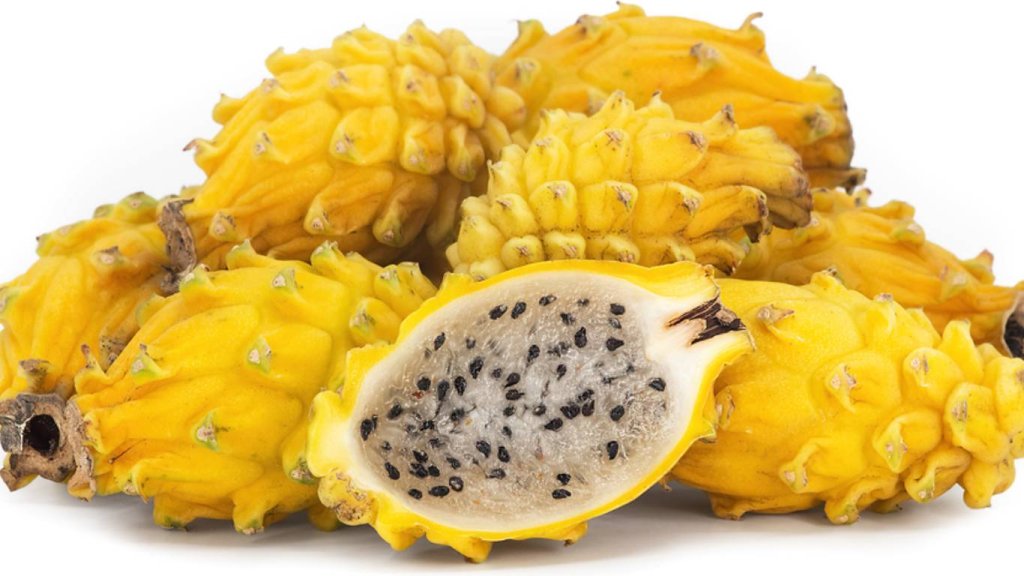
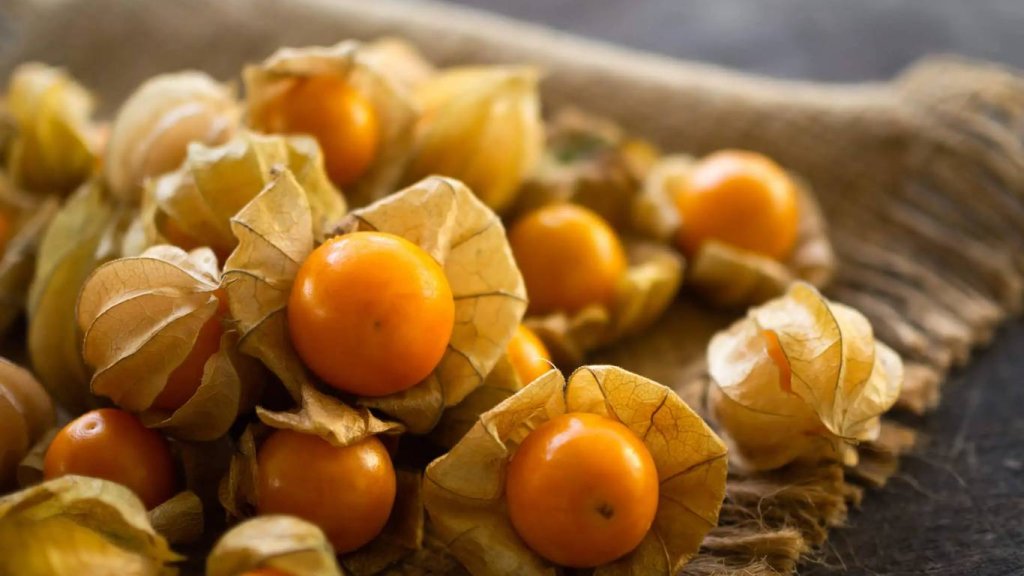
Uchuva
A small yellow fruit that looks like a cherry tomato, it has a creamy pulp that can have a range of different tastes – tart, extremely sour and even at times sweet.
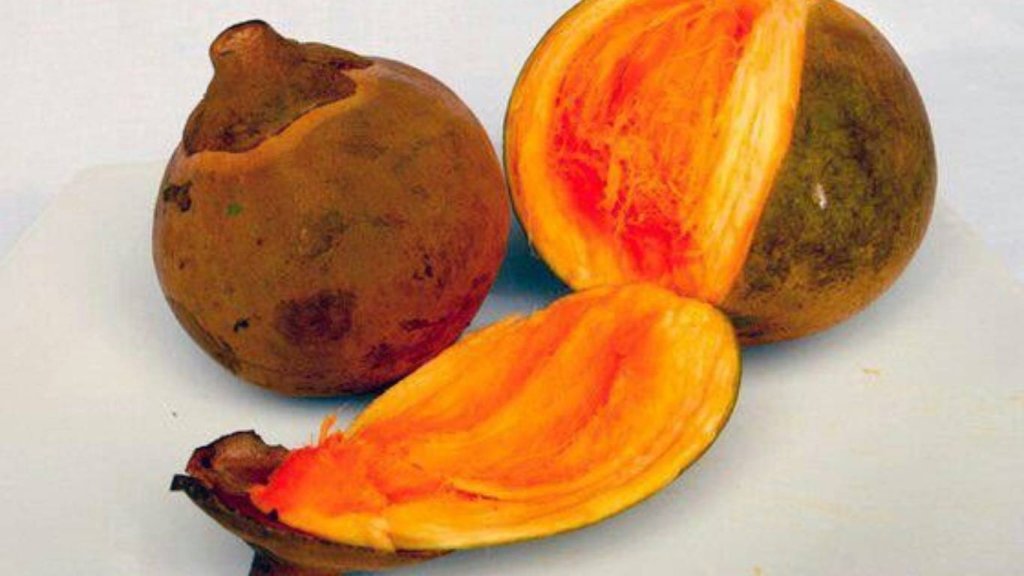
Zapote
This is native to rainforest climates and tastes very similar to papaya, so slightly sweet but very refreshing.
The allure of street food in Colombia often lies in the unexpected. Beyond the familiar bountifulness of tropical fruits creating divine fresh juices and the ubiquitous arepas, lies an adventure for the audacious. Do not let the simplicity of these dishes deceive you. The complexity is embedded in their creation, a process honed over generations.
Each offering, from the savory to the nectareous, tells its own unique story of Colombia’s gastronomic heritage. Exploring the fabulous street food scene is akin to stepping through a portal to the soul of Colombia.
Street food is a staple for most Colombians. Everywhere in the nation, from parks and metro stations to busy intersections, you will find vendors selling delicious fruits and all manner of corn manifestations and meat-filled treats.
Like to create or customize a fantastico package tour of Colombia? Use our Plan My Trip page to start planning your dream Colombian vacation now!