
Manizales Fairs, Pacific Music Petronio Álvarez & National Indigenous Gaitas Festival
Colombia’s culture is about rhythm, joy, colours and traditions. This is truly manifested in the voluminous number of fairs, festivals and carnivals throughout the country. Most pueblos have their own festivities ranging from those celebrating coffee to the ones held in honour of a pueblo’s Patron Saint. The characteristics many festivals have in common are the nomination of a beauty queen and a central dance floor.
Manizales
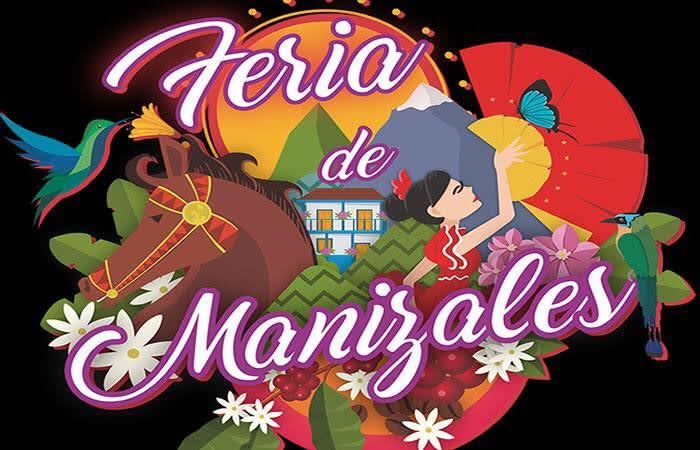
If you visit Manizales in January, you cannot miss the Manizales Feria. This event is one of the most important fairs in Colombia and offers a variety of cultural, sports and festive activities.
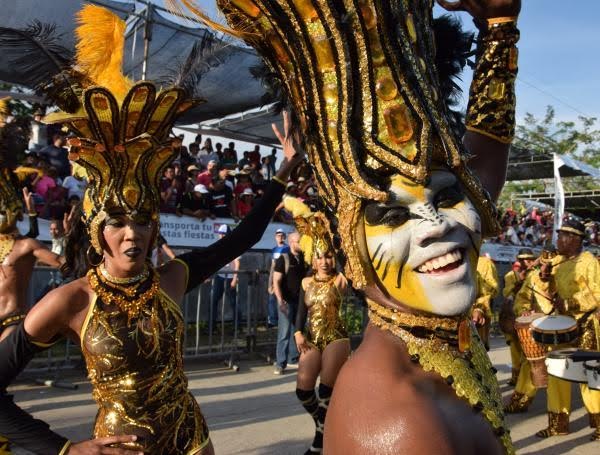
During the fair, the city comes alive with parades, beauty pageants, concerts, bull fighting events, food shows and craft exhibitions. The fair also includes sports competitions and activities for children, making it a family event that attracts thousands of visitors each year. It is a unique opportunity to immerse yourself in local culture and enjoy the hospitality of the people of Manizales.
Since 1955, the Manizales Fair has been an iconic celebration marking the start of the New Year for the people of Manizales.
Drawing inspiration from Spain’s Feria de Sevilla, this event pays homage to bullfighting while celebrating the city’s rich cultural and artistic traditions. Renowned for its diversity, the festival features parades, music, traditional dances and events that reflect its deep cultural roots. This vibrant week-long celebration is a cherished tradition that attracts locals and visitors alike.
Bullfighting, for example, though extremely controversial, is still one of the main attractions. Famous toreros come from all over the world to conquer the Plaza de Toros de Manizales, as this is an especially important event for bullfighting aficionados.
Manizales, the Colombian capital of the ancient sport with its famous bullring, is where all the great bullfighters have showcased their skills over its sixty-year history. Matadors of the calibre of Spain’s Enrique Ponce and Julian Lopez El Juli, France’s Sebastian Castella, Peru’s Andres Roca Rey and Colombian Luis Bolivar have all performed here.
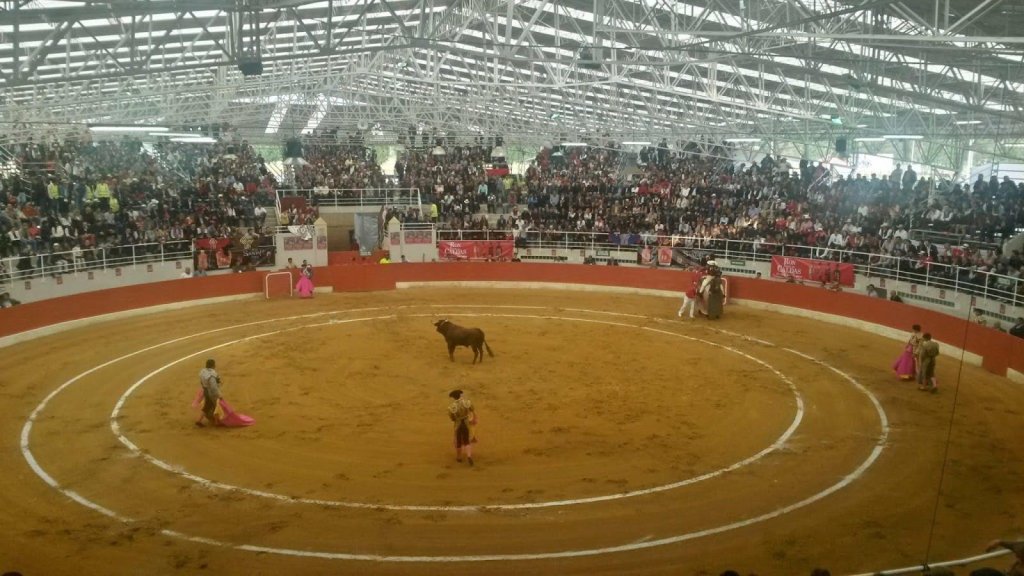
Plaza de Toros de Manizales
During the week-long fair, which concludes on a Sunday, thousands of people enjoy a wide gamut of activities including a handcraft display, regarded as one of the country’s best, billiards competitions, concerts showcasing different musical genres, technology festivals, excursions to the Nevado del Ruiz volcano and exhibits of local culture such as trova, the singing of improvised verse, often in a competitive format and muleteering.
The feria is particularly well-known for its beauty pageant, where women from Brazil, Venezuela and Panama among others, compete to be The Coffee Queen.
Upon arriving, the queens tour the coffee region, learning the local traditions and making appearances in the cities and pueblos of the famous Eje Cafetero/Coffee Triangle. The winner is crowned on a Saturday night.
With so many events taking place over the days of the feria, it is impossible to see everything. Perhaps one of the most impressive displays is the Cabalgata (horse riding) Feria de Manizales. Over 500 people participate in this extremely raucous parade, along Calle Santander. There are spectacular displays of Paso Fino horses, a naturally light gaited horse breed dating back to the time when horses were imported to the Caribbean from Spain. Pasos are prized for their smooth, natural, four-beat, lateral ambling gait as they are used in many disciplines, but are especially popular for trail riding.
The Manizales Feria is a city-wide party with diverse and seemingly unrelated events held all over the city. It is so worthwhile to visit. With sports championships (billiards, soccer and tennis and others), dog shows, helicopter rides, technology expos, haunted houses, music and magic shows, there is something for everyone.
Festival de Música del Pacífico Petronio Álvarez
Colombia, most often synonymous with salsa, reggaetón and vibrant Latino rhythms, harbours a depth of cultural and musical diversity.
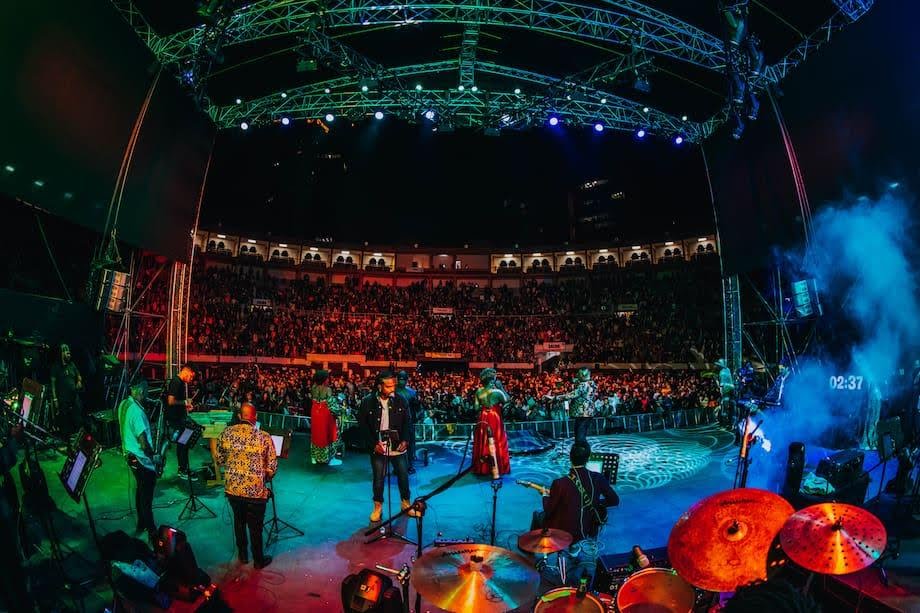
The Petronio Álvarez Pacific Music Festival is the most important Afro-Colombian cultural festival in Latin America. Over the years, it has positioned itself as a meeting place where Afro-Colombian heritage and its different manifestations are the protagonists for six days.
The name of the Festival pays tribute to the musician Patricio Romano Petronio Álvarez Quintero, born in Buenaventura in 1914 and who died in Cali in 1966. He was a composer of folkloric pieces from the Pacific, Caribbean rhythms, along with urban genres including tango.
The Festival is a hidden gem that showcases this diversity, particularly celebrating the rich Afro-Colombian culture of the Pacific region.
This festival revitalizes the local economy and plays a crucial role in preserving Afro-Colombian traditions. It offers an immersive experience of the ancestral rhythms that shape this unique cultural tapestry.
Established in 1997, the Petronio Alvarez Music Festival has evolved into a significant celebration of Afro-Colombian music and culture in Latin America. Its foundation was aimed at uniting artists from Colombia’s Pacific Coast, providing a platform to express and celebrate their rich cultural heritage. The diversity of music, rhythms and sounds that characterize the Pacific platform can be found with more than two hundred artists from the departments of Chocó, Valle del Cauca, Cauca and Nariño.
The Festival de Música del Pacífico Petronio Álvarez (Festival of Music of the Pacific Petronio Álvarez) is dedicated to the music of the Colombian Pacific Region folklore. It takes place in the city of Santiago de Cali in August. It seeks to highlight composers, musical groups and researchers of Afro-Colombian music. It is a kaleidoscope of musical expressions, from the soulful tunes of marimba and chirimia to dynamic freestyle beats.
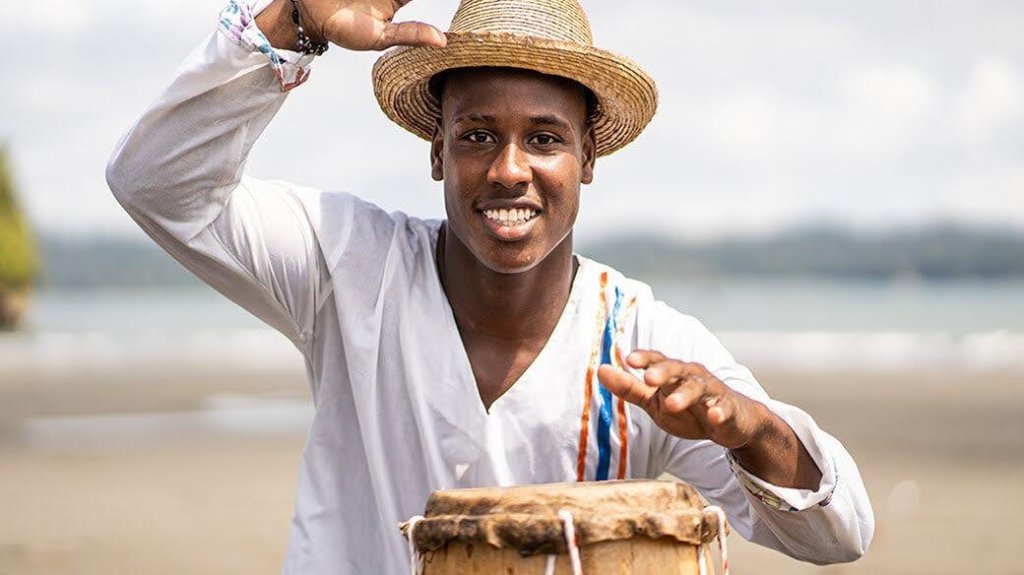
This bustling city, one of Colombia’s largest, is a beacon for local and international bands, especially those specializing in Pacific indigenous sounds. But Cali’s appeal extends beyond music. It is a city brimming with innovation and creativity, offering exquisite gastronomy, extensive shopping, glamorous fashion and a plethora of intriguing activities.
The festival is a vibrant celebration of Afro-Colombian culture, attracting people of all ages to partake in one of the region’s biggest festivities. Usually over six days, attendees are treated to a rich tapestry of sounds and traditions passed down through the generations. It is more than just a musical event, it is a cultural phenomenon.
The Petronio Alvarez Music Festival is not only about music but also about the broader cultural experience.
Expect to find:
- An array of food stands offering local Pacific dishes and traditional drinks.
- A gathering of over 100,000 people in a grand celebration.
- More than 200 retail spaces showcase Afro-Colombian arts, crafts, and fashion.
- Over 200 exhibitors from around 50 pueblos representing the Colombian Pacific coast.
The Petronio has established itself as one of the most important festivals of the year, as each time it brings together thousands of people around music, food, traditional drinks and ancestral knowledge of the communities of the Colombian Pacific.
The festival has become more than just an event, it is a remarkable, stunning and emblematic experience that provides a distinct insight into a lively cultural heritage. It is an opportunity that should not be overlooked, as it offers a once-in-a-lifetime experience that captures the essence of Colombia’s Pacific region.
Festival Nacional Autóctono de Gaitas
Every year, in the month of August, music, art, and culture take over the municipality of San Jacinto, located in the department of Bolívar, with the National Indigenous Gaitas Festival.
Gaita is a traditional Indigenous Colombian wind instrument which can be compared to a big flute. Its distinctive sound evokes the joy, melancholy and vitality of the Colombian people. Known for its catchy melodies and contagious rhythm, the gaita has transcended borders and become a symbol of national culture.
The festival brings together the greatest exponents and performers of this traditional instrument of Colombian Caribbean Folklore. This festival creates the spirit for preserving and rescuing the cultural and musical traditions of the municipality.
The tradition of this instrument is kept alive by the talent and dedication of the local musicians. Each year, during the National Indigenous Gaitas Festival, master pipers share their passion and art with the world, taking traditional music to new heights.
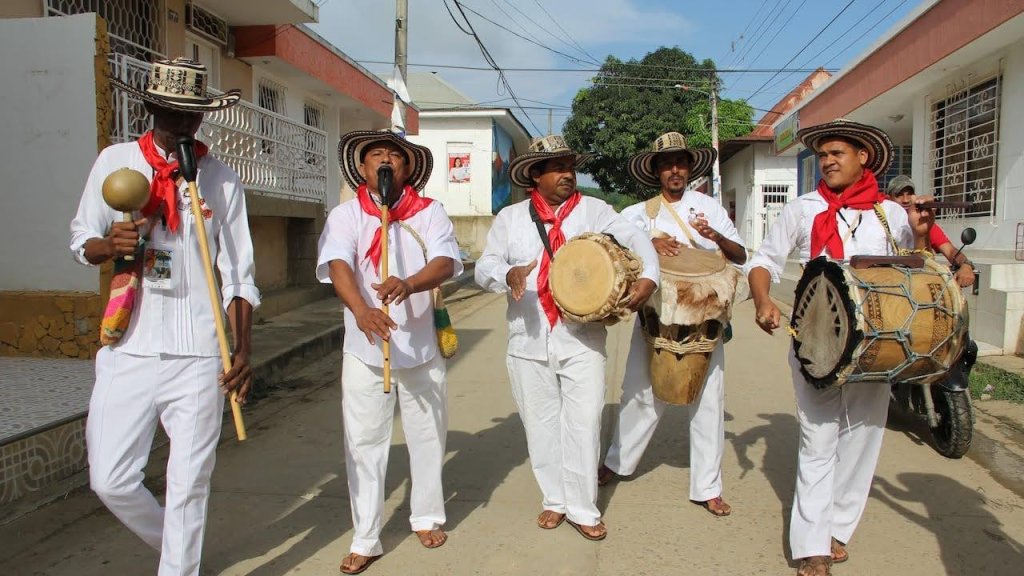
San Jacinto is known for its rich cultural heritage, with its inhabitants being guardians of ancestral traditions that have endured over the centuries. As well as being home to some of the country’s finest musicians, it is a growing tourist destination with its community museum, fairs, festivals and unique hospitality.
During the annual National Indigenous Gaitas Festival, the town becomes a den of activity, with parades, concerts and cultural events attracting visitors from around the world.
The National Indigenous Gaitas Festival is much more than just a celebration of music and dance. It is a tribute to the creativity, passion and talent of the gaiteros and of all of Colombia. For several days, the town becomes a living stage, full of colour, music and energy.
Among the festival’s highlights are the parade in honour of deceased bagpipers, the children’s parade, the dance performance and the bagpipe contest.
There, musical groups compete for the title of the best in the country. In addition, visitors can enjoy concerts, music workshops and tours of the historic streets of the municipality of San Jacinto. The event features the participation of professional groups, amateurs and dancing couples.
The Festival is organized by the San Jacinto Folklore and Artisan Corporation, composed of twenty-five cultural managers who have been operating since 1987.
Each year the National Indigenous Festival brings together a group of artists who are motivated by the reclamation of their traditions, compete in an enthusiastic manner to obtain the top prize of the Cacique de la Gaita award. The first gaita festival was held as a tribute to the maestro Toño Fernández.
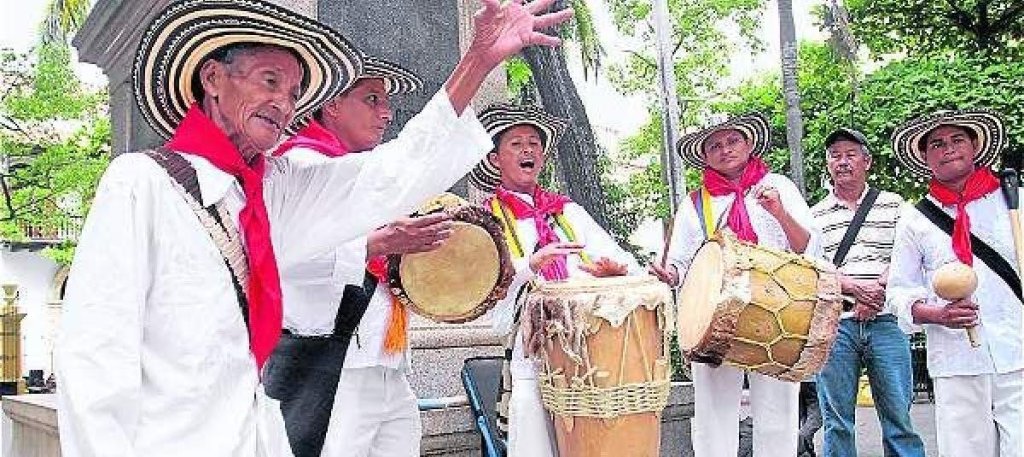
The Festival is not only a celebration of music and dance but also a platform for education, cultural exchange and community development. Through initiatives such as the Herederos Ancestrales bagpipe school and the bagpipers’ park, the festival encourages learning and active participation in the bagpipe tradition. The festival promotes and supports the conservation of cultural heritage. Every year, thousands of visitors flock to the event in search of unique and authentic experiences.
The parade in honour of the deceased pipers pays tribute through the main streets of the municipality, bringing floral offerings to the cemeteries. It is the reunion of the new musicians with the old ones, playing and singing songs for them. All these events are part of the municipality’s Patron Saint festivities.
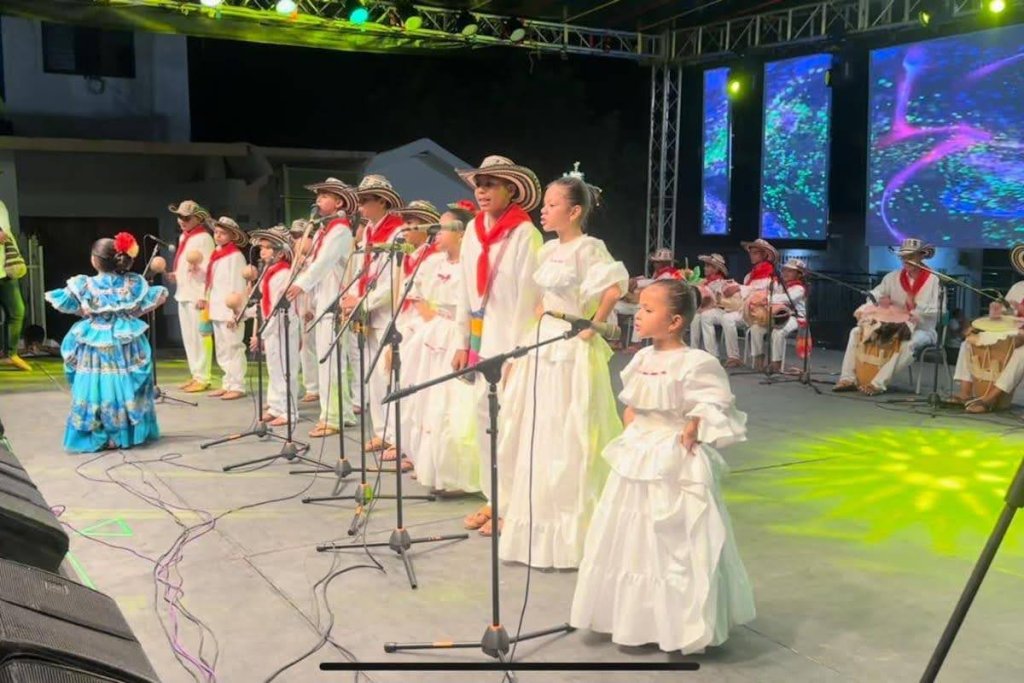
The National Indigenous Gaitas Festival is more than a cultural event. It is a celebration of Colombian identity, a tribute to the creativity and passion of the San Jacinto bagpipers.
It is an opportunity to share the richness of Colombian culture with the entire world.
Go ahead and include this event in your trip to Colombia!
Like to create or customize a fantastico package tour of Colombia? Use our Plan My Trip page to start planning your dream Colombian vacation now!