
PUEBLOS ALONG THE MAJESTIC MAGDALENA RIVER
 We work with and recommend booking flights with www.kiwi.com
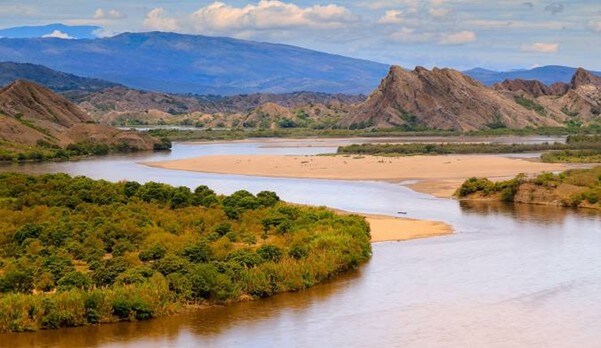
The majestic Magdalena River is one of Colombia’s most magnificent treasures, a link between cities and pueblos, a wildlife haven, and a vital player in the rich history of the country.
The Magdalena River originates in the high plains of the Andes Mountains above the southern Colombian city of Popayán. The Magdalena River meanders north through a valley between two mountain chains. It passes beneath volcanoes, snow-capped peaks, through forests and rainforests, wetlands and swampy flood plains, past farms, pasture lands, and river pueblos.
The river supports thousands of different species of animals. It is rich with fish, turtles, manatees, caiman, iguanas, crocodiles, hippos, and pelicans.
The importance of the 1,528 km/949-mile-long Magdalena River dates back to before colonial times. Flowing from the heart of Colombia all the way to the Caribbean Sea, it became a key strategic route for the Spanish conquistadors when they arrived in the early 16th century. Since then, the grandness of the river has inspired artists and writers, including the prominent Colombian writer Gabriel García Marquez. A mere glimpse of the river enables visitors to appreciate its significance and undeniable charm.
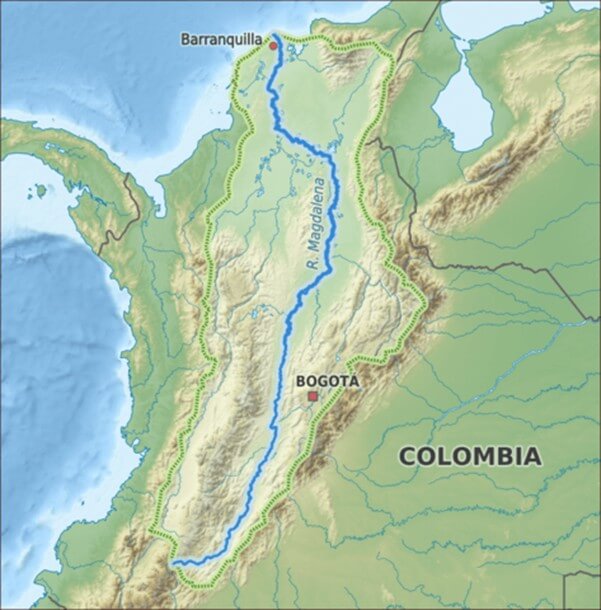 Topographical map depicting the Rio Magdalena
The Magdalena River is the 5th largest river in South America and the longest in Colombia, meandering through the heart of the country. It begins in southern Colombia near San Agustín and flows north, emptying into the Caribbean Sea near Barranquilla, the port of entry to Colombia’s interior. Since pre-Columbian times, the river has served as an important transportation route.
The Spaniards mounted massive expeditions down the Magdalena, hoping it would lead them to gold and riches. The river has always been used to move merchandise in and out of the country’s interior.
Magdalena Past and Present
Today, trains and trucks have replaced many of the barges and steamships, thereby reducing the river’s importance. The Magdalena has been the principal entry point to the interior of the country for centuries. Not only does it connect communities, but the river is the culture and soul of the country. There are many cities and pueblos to enjoy along the way, and so much to be discovered.
SAN AGUSTÍN
The journey down the river starts at the archaeological town of San Agustín in the department of Huila. While not a river pueblo as such, from here visitors can visit the tributary of the Magdalena 9 km/6 miles outside of San Agustín, where Colombia’s finest archaeological patrimony is immersed in some of the country’s most beautiful rural landscape.
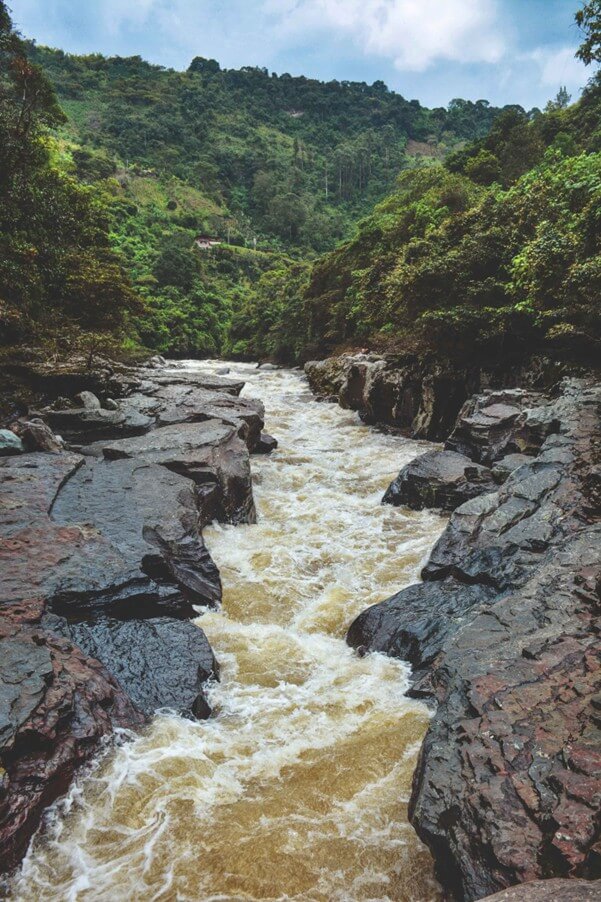 Headwaters of the Magdalena River near San Agustín
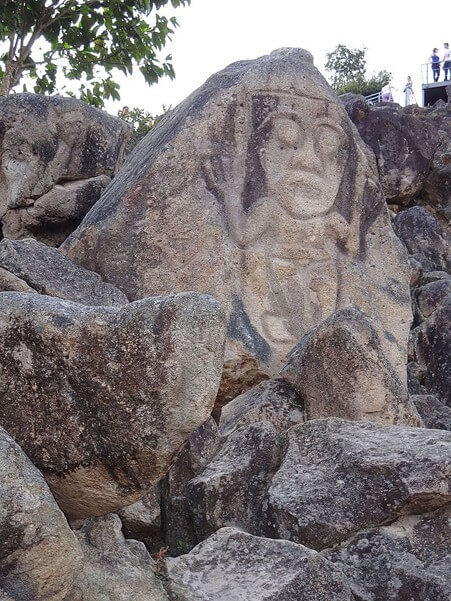
Several thousand years ago, the indigenous adorned their tombs with statues of god heads, animals, and devilish images. Incredible statues were created to guard the tombs of kings and warriors. Today, these statues and tombs are scattered around several archaeological parks located outside the pueblo.
The river gorge, El Estrecho, is a sacred place overlooking the waters of the Magdalena, cutting through granite rocks below. A number of shamanic statues are carved into the mountain cliffs above as if to stand guard over the ancient river.
NEIVA
 Begin organizing your dream Colombian getaway right away by using our Plan My Trip page!
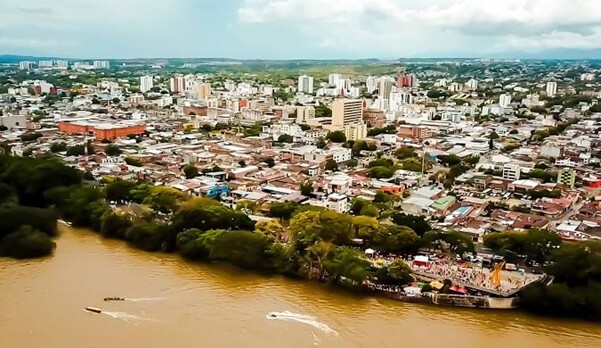
Founded in 1612, Neiva became the capital of the department of Huila and an important city in south central Colombia due to its strategic location between Peru, Bogotá, and Caracas. Neiva is an agricultural centre for cotton, cocoa, coffee, rice, corn, and sesame. It is a hot and steamy place.
A few hours’ journey north of San Agustín, the Magdalena is navigable here at Neiva. Back in the day, piraguas and shallow draft steamboats cruised between the cities of Neiva and Honda.
Between Neiva and Honda, the river is straight, the current fast, and the fishing excellent. The river is hindered by rapids north of Honda. The big boats from the coast stopped at Honda, where goods from the coast were unloaded and transferred to continue the journey overland to Bogotá or downriver. Today, the only way to get to a lot of the smaller river pueblos is by way of public boats known as chalupas.
GIRARDOT
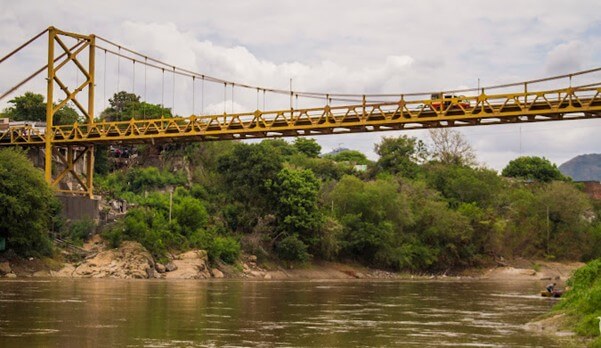 Puente Mariano Ospina Peréz Bridge
A humid pueblo in the department of Cundinamarca, situated on the Magdalena River in south central Colombia. The main economy of Girardot is tourism, and being only a 3-hour drive from the capital of Bogotá, Girardot has always been a popular destination for wealthy Bogotanos would come for some weekend and holiday fun in the sun.
In the early 1900s, during the era of steamboats, there were over one hundred hotels and resorts with big swimming pools. It was the transportation hub of the region, and there are still excellent hotels in the pueblo. Although there is not that much to see in the pueblo, the Puente Mariano Ospina Peréz bridge crosses over the
Magdalena is spectacular.
Parque Bolívar is the main plaza where most of the shops are located. Meanwhile, Parque de la Locomotora features an old train in the plaza, and at night, there are a lot of food stalls offering local fare. Waterparks like Piscilago Giradot, just outside the centre, are very enjoyable.
HONDA
Another of Colombia’s oldest pueblos, founded in 1539, Honda was once one of the country’s most important river ports along the Magdalena River. Its historical centre features some wonderfully preserved buildings and a fascinating museum about the river to explore. Honda is a heritage town (Pueblo Patrimonio) with an important historical context for the country.
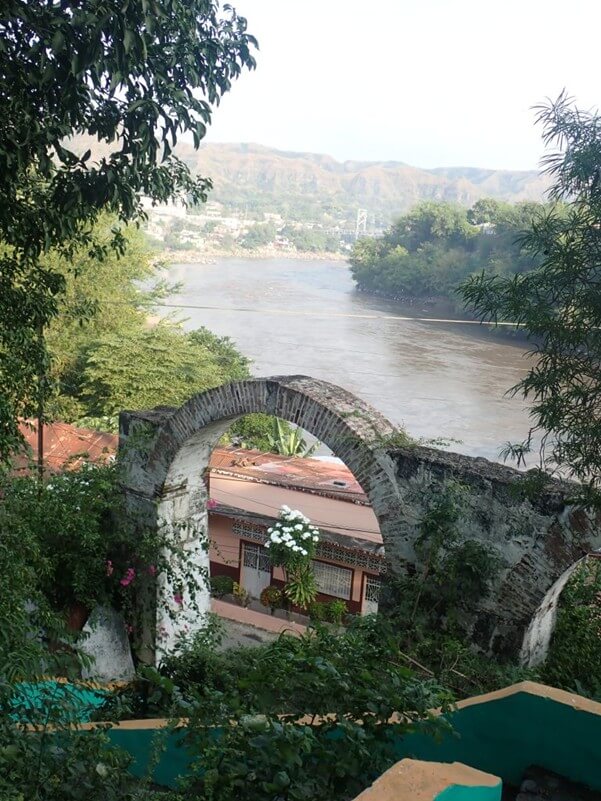 Magdalena River at Honda
Nestled at the confluence of three waterways, Gualí, Guarinó, and Magdalena, the pueblo of Honda is a hidden gem that promises a captivating journey through Colombia’s rich history and vibrant culture. Often overshadowed by more renowned destinations, this enchanting pueblo delivers an authentic Colombian escape, from its foods and fiestas to deep historical ties.
In the 19th century, Honda’s strategic location along the Magdalena River transformed it into one of Colombia’s most vital trading posts. It was the last navigable port for boats heading south, facilitating the movement of goods from the Caribbean port of Barranquilla to the interior regions. Steamboats, laden with textiles, machinery, and other imports, docked at Honda, where goods were then hauled to Bogotá by mule.
Known as The City of Bridges, Honda’s impressive collection, 40 to be precise, showcases diverse architectural styles from simple stone to intricate iron masterpieces. The Navarro Bridge, constructed in 1899, is a testament to Honda’s pioneering spirit as the first iron bridge in South America. Its iron and steel structure was created by the San Francisco Bridge Company of New York, the same company that built the Golden Gate Bridge.
At the heart of Honda lies its vibrant Mercado Central. With its white façade and 148 Corinthian columns, the market is a visual feast, where locals buy and sell fresh produce, handmade crafts, and various goods. The vibrant colours of tropical fruits, the aroma of freshly ground coffee and the lively banter of vendors create an immersive cultural experience. To understand more of the pueblo’s historical significance, a visit to the Museo Río Magdalena, under the guidance of German Ferro, is essential.
PUERTO BERRIO AND BARRANCABERMEJA
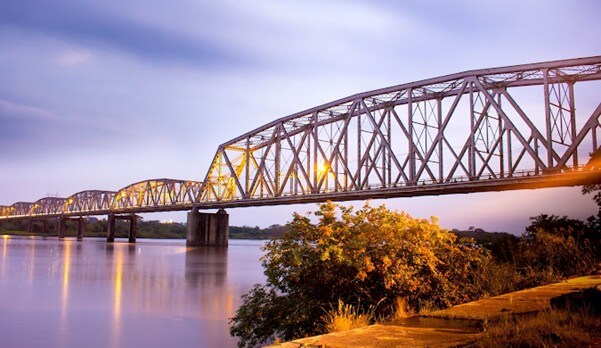 Puerto Berrío
Along the middle Magdalena, following the river north, one enters the province of Antioquia. The river pueblo of Puerto Berrio is 174 km/108 miles from the city of Medellín. Founded in 1875, the pueblo was an important port and epicentre for regional commerce and passenger transit. However, starting in 1961, Colombia’s nationalized railroads stole most of the river’s traffic.
Across the river and further north lies the town of Barrancabermeja in the province of Santander. It is located just 115 km/71 miles east of Bucaramanga. Since it is difficult to pronounce, most people just call the pueblo Barranca. Like the other pueblos on the Magdalena, the heat is stifling. The city is known as the oil capital of Colombia. Once an important cattle town, it shipped cattle from the mountain farms to the cities on the coast. Oil wells were found nearby in 1921, changing the pueblo forever. The state-owned oil company Ecopetrol drills and refines all the oil.
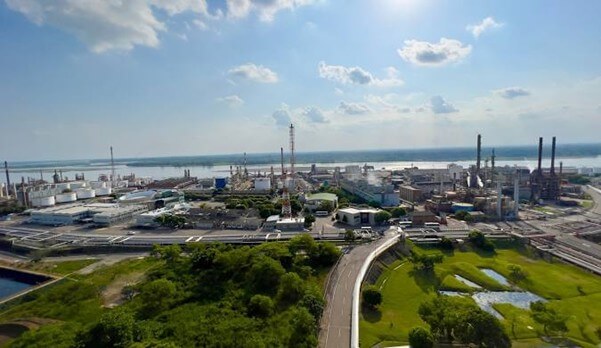 Barrancabermeja
The pueblo blossomed during the oil boom, which lasted until 2015 when the oil fields started drying up. The best thing to do in Barranca is to visit the Muelle Barrancabermeja, a commercial dock open in the afternoons. This stretch of river is the most entertaining part of the city, where a row of open-air restaurants serve up fresh river fish and cold drinks.
At the end of the dock, there is a large fish market, while in front of the restaurants, there are passenger docks where the chalupas, or small boats, load and unload passengers and supplies coming from the river’s nearby pueblos.
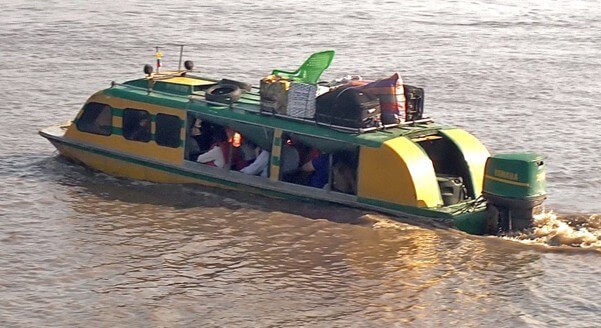 Motor boat moving cargo and passengers on the Magdalena
SANTA CRUZ DE MOMPOX
Mompox exudes a mythic quality. This romantic Caribbean backwater in the Bolívar Department is so far off the beaten path that few travellers get the opportunity to visit. Founded in 1537 on the Magdalena River, its location inland from the Caribbean Sea meant it was safe from pirate attacks.
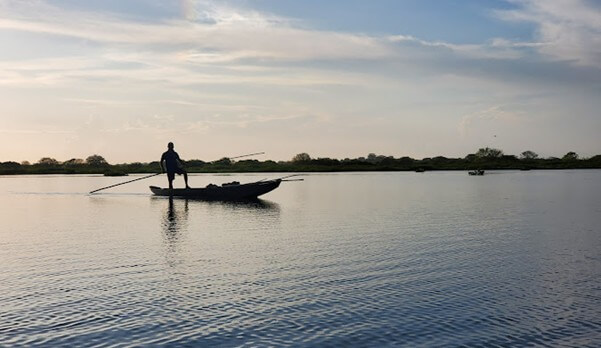
This remoteness also resulted in little intervention from the outside world over the centuries, and the city has held on to its colonial charm. Stroll the cobbled streets and the riverfront, taking in the colourful buildings featuring artisanal wrought iron doorways and windows. Be sure to sample queso de cappa, a local cheese that is slightly sweet and available from street vendors. Browse the filigree jewellery produced by local goldsmiths, and consider taking a canoe tour of the nearby marshlands and mangroves.
Other pueblos along the Magdalena River have also played significant roles in Colombia’s history, particularly during the colonial era and the early Republican period. These pueblos often featured bustling riverfronts and served as important centres for trade and transportation.
While the Magdalena River is the most prominent, other major rivers like the Atrato and Cauca have also influenced the development of historical cities and pueblos in Colombia. However, the Magdalena River has the most arresting concentration of historically significant settlements.
Like to create or customize a fantastico package tour of Colombia? Use our Plan My Trip page to start planning your dream Colombian vacation now!