
CITY GUIDE CALI
Cali de Santiago, more commonly known as Cali, has a very strong identity and is perfect for those looking to enjoy the more real and authentic side of Colombia.
Cali, Capital of Salsa
We work with and recommend booking flights with www.kiwi.com
Cali is perfect for salsa dancing, and also offers unique museums, striking architecture, and delicious gastronomy.
As you can probably imagine, the nightlife scene here is one of the very best in all of Colombia. Cali exudes an electrifying, seductive atmosphere with residents full of enthusiasm for life that is contagious to everything and everyone.
CLIMATE
The climate of Cali is tropical, tempered by altitude, with stable temperatures throughout the year. The city is the capital of the Valle del Cauca department and is located in the west of Colombia, in a valley at 1,000m/3,300 feet above sea level.
The rains are frequent throughout the year, although they are more frequent from March to May and from September to November, while there are two relatively dry seasons from December to February and from June to August. To the north-west of the city, there are mountains about 2,000m/6,500 feet high, while to the south-west, there are the Farallones de Cali, a massif of 4,000m/13,100 feet. These mountains affect the rains that fall in Cali, with the total rainfall ranging from 1,000ml/40 inches in the north-central part of the city to 1,800ml/71 inches in the southwest.
Precipitation ranges from 30ml/1 inch in the driest month, July, to 130ml/5 inches in the wettest one, April. The average temperature of the coolest month, November, is 24°C/75°F, that of the warmest month, February, is 25°C/77°F.
THINGS TO DO AND SEE
- Iglesia de la Merced is a beautiful colonial cathedral on the Plaza Caycedo in the historic district. Founded in 1545, this is Cali’s oldest church. It is a lovely whitewashed building in the Spanish-colonial style, with a long, narrow nave with a humble wood and stucco construction. Inside, a heavily gilded baroque high altar is topped by the Virgen de las Mercedes, the patron saint of the city.
- Museo de Arte Religoso La Merced
Housed in La Merced convent, Cali’s oldest building, this museum has an extensive collection of colonial religious paintings and relics. It is worth a visit even if religious art is not your thing, just to check out the charming 16th-century structure and its three internal courtyards. - Museo de Arte Colonial, in the monastery adjoining the cathedral, displays mainly colonial religious art.
- Museo Arqueológico displays pre-Colombian pottery and artifacts from the various indigenous groups of the area.
- Museo de Oro exhibits gold items from the Calima culture. There are gold pieces, ceramics, stone, bone, and shell exhibited. All of them belong to the pre-Hispanic Llama, Yotoco and Sonso cultures, who settled in the archaeological area known as Calima. They were hunters and gatherers and lived in this area 9,000 years ago.
- Museo de Arte Moderno La Tertulia displays modern art, sculpture, and photography. The museum has frequently alternating exhibitions from both local and South American artists. Works by contemporary Colombian artists such as Hugo Zapata and Beatriz Gonzáles are on display. This is Cali’s most important cultural space, with regular house film screenings, poetry readings, and music performances. Located a 15-minute walk from the city centre along the Río Cali.
- Iglesia de San Antonio, located atop a hill near the city centre, offers a fine view of Cali. San Antonio is a neighbourhood rich in history and cultural heritage. Founded in 1747, this area is renowned for the San Antonio Church, a historical landmark that reflects Cali’s past. Originally, the neighbourhood was the chosen residence for clergy, government officials, and landowners
Later, it was expanded to include artisans and workers, creating a diverse and traditional community. The Chapel of San Antonio, built in 1747 alongside the La Merced church, is a significant architectural site, showcasing a Baroque altar and offering expansive views of Cali. - Teatro Experimental de Cali (TEC) began Colombia’s national theatre.
- Sugar Cane Museum
The museum explains sugarcane production with information on extraction methods and cultivation. Sugarcane is one of the most important agricultural products in Colombia and was introduced to the country from Cuba. - Plaza de Toros de Cañaveralejo is an original bullfighting ring.
- Zoológico de Cali
Widely regarded as the best zoo in Colombia, it was opened in 1981 and is located within the municipal forest, along the Cali River. Spanning over 10 hectares/25 acres, it houses approximately 1,200 animals across 180 species. The zoo is dedicated to improving the diet, natural environment, and medical care of its fauna and is involved in various educational, recreational, and research programs. The zoo features diverse sections including primates, butterflies, ocean and river fish, amphibians and reptiles and birds. Notably, there are over 800 butterfly species in a walk-through butterfly house (mariposario) and a specialized exhibit for owls and pacaranas, which opened in 2011. Additionally, there is an amphitheatre (teatrino) for animal displays.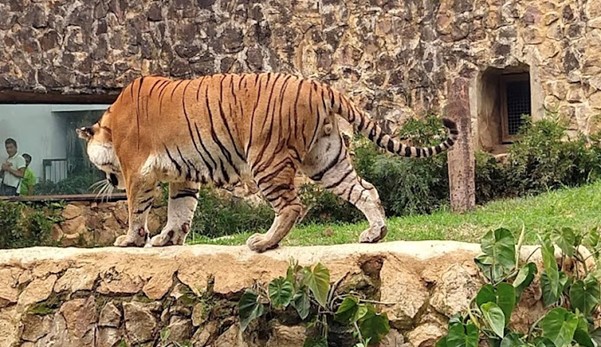
- Federico Carlos Lehmann Valencia Natural Science Museum with exhibits of fauna, ethnological samples, and insects of the region.
- Salsotecas abound on the northern side of the river, particularly in the Juanchito suburb. Night tours in Chivas last about five hours and will get you into a number of hot salsa spots.
- The Feria de Cali from December 25 through New Year’s with parades, bullfights, salsa events, and a beauty contest.
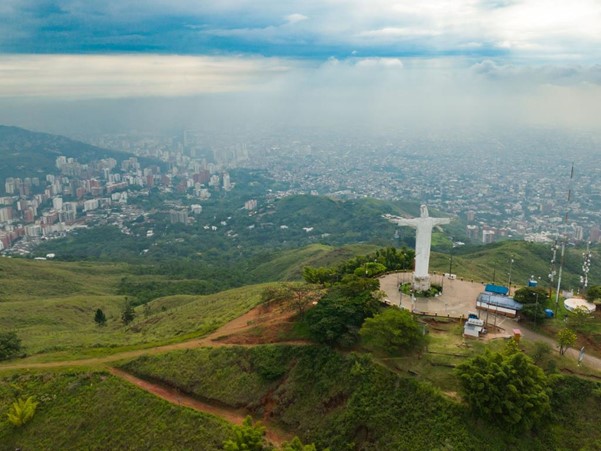
- Monumento de las Tres Cruces is the three crosses on the mountaintop with totally stunning views across the city.
-
Parque Nacional Farallones de Cali
Just outside the city lies this popular park, which offers day hikes and treks on attractive trails that summit Pico Loro (Parrot Peak), one of the most famous mountain peaks in the region. Along the way, visitors are likely to encounter endangered species and animals that are unique to Colombia, including rare tropical birds, butterflies, sloths, and more.
When you reach the top of the peak, you will enjoy unbeatable views of the city and the surrounding mountains. -
Haciendas
Belonging to the sugar barons and now open as museums to see sugar cultivation and processing. Hacienda Cañas Gordas is on the southern border of the city. It is considered the most beautiful of colonial homes, and here you will see period furnishings and objects.
There are two others about 40 km/24 miles northeast of Cali:1. Hacienda El Paraiso
A lovingly restored manor house, it has been converted into a museum, providing an insight into Valluna life, complete with literary connections. It is the setting of Jorge Isaacs’ romantic novel Maria.
2. Hacienda PiedechincheTwo sights of great interest are the archaeological sites of pre-Columbian civilizations at Parque Arqueológico De Tierradentro and Parque Arqueológico de San Agustín. Both are considered sacred sites and contain ancient monuments, statuary, tombs, and burial mounds. - Market Galería Alameda
The Market Galería Alameda in Cali resembles a district more than a single market. Comprising various shops and markets, it is known for its lively atmosphere, especially during peak hours when it often becomes a bustling hotspot.
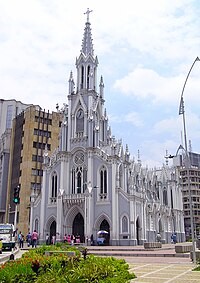
Unlike the more orderly markets in Bogotá, Cali’s market exudes a wilder vibe. Its proximity to the Pacific means access to the freshest fish and seafood. A visit here is not just about shopping but also a culinary adventure, with numerous options to satisfy curiosity with local delicacies. - La Ermita Church. Known for its Gothic style, La Ermita Church is the quintessential postcard image of Cali.
This church was completed in 1948. The 18th. The century marble altar was brought from Italy, and the musical clock and windows are from Amsterdam. The iron gates were manufactured in Cali in 1973.
La Ermita possesses images more than three centuries old, including those of the Virgen de los Dolores, San Roque, San Jose, and Cristo de la Caña.
 La Ermita
Begin organizing your dream Colombian getaway right away by using our Plan My Trip page!
- Parque del Gato. The Parque del Gato (Cat Park) is an artistic and cultural landmark that began with the installation of the sculpture El Gato del Río by Colombian artist Hernando Tejada. This sculpture, inaugurated on July 3, 1996, is located beside the Cali River and has become a famous city landmark. The area around the sculpture was transformed into a park featuring additional cat sculptures by various artists, known as the Parque El Gato de Tejada.

GOOD AREAS TO STAY
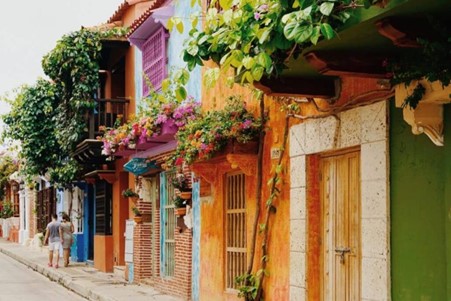
- San Antonio – Historic is one of the oldest neighbourhoods in Cali, known for its colonial architecture and bohemian atmosphere. You can explore charming streets, visit art galleries, and enjoy local cafés.
- Granada – Trendy, is a vibrant area filled with upscale restaurants, chic cafés, and boutique shops. This is a great area to experience Cali’s culinary scene and enjoy a more modern vibe.
- El Peñon – Cultural is known for its cultural attractions, including museums and theatres. A great location to immerse yourself in the local arts scene and enjoy a variety of cultural activities.
- Cuidad Jardín – Green is a lush, residential neighbourhood with plenty of parks and green spaces. A perfect area for those who enjoy nature and a more relaxed atmosphere.
- San Fernando – Lively, a bustling area known for its nightlife, with numerous bars and clubs. The go-to place if you’re looking to experience Cali’s vibrant nightlife.
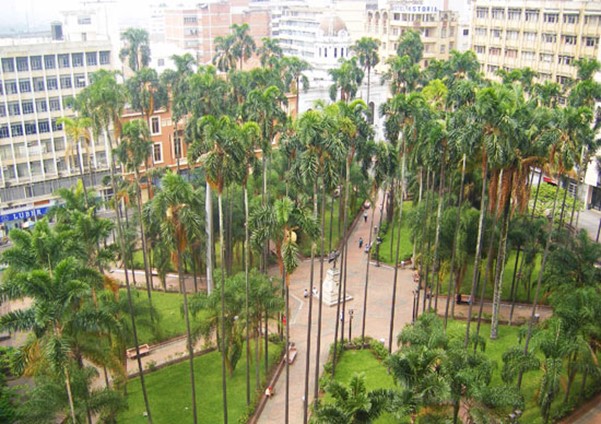 Plaza Caycedo, with its tall palm trees
GASTRONOMY
While many people think of Cali primarily for its salsa dancing reputation, the city also boasts a fantastic food scene that draws on a wide variety of culinary influences to create a truly unique experience for visitors. Cali is a great culinary destination, one of the main reasons being that there is always a wide selection of fresh ingredients, tropical fruits and vegetables available throughout the year.
The vibrant gastronomy scene draws on European, African, and Indigenous roots, a heritage showcased during August’s Petronio Álvarez music festival when Cali’s streets vibrate with Afro-Pacific percussion.
There is something for everyone to enjoy, ranging from fine dining to street food, that you can sample as you wander the city’s colonial streets. The local food of Cali is colourful, visually bewitching, and delicious. The city has many local specialties you will want to try. Venture to street stalls, bakeries, and cafés to find scrumptious offerings.
Street Food in Colombia
Not only is Cali a fantastic place to try a variety of Colombian dishes from around the country, but it is also home to many local staples from the region of the Valle de Cauca.
Sancocho de Gallina is perhaps the most famous, which is a chicken soup infused with corn, avocado, peppers, yucca, and patacones. Arroz Atollado is another, which has roots from the Spanish as it has a similar appearance to the Paella. Here, the dish consists of rice, various meats, and eggs.
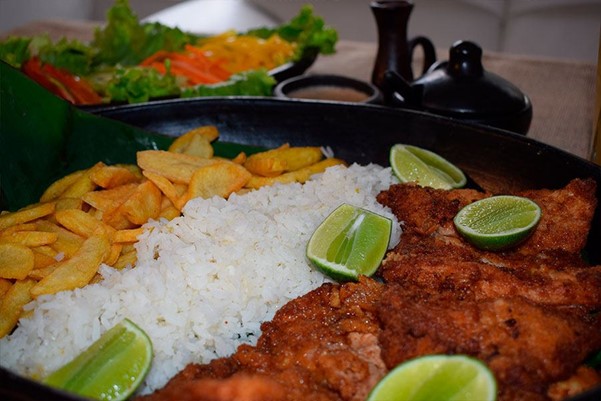 Chuleta Valluna
Traditional chuleta valluna is a marinated, breaded and fried pork cutlet, while cazuela de mariscos, a steaming bowl of seafood and fish cooked in coconut milk, is divine.
Fine dining in the visually impressive mansion of Antigua Contemporanea, located in San Antonio, is an enchanting experience. The indoor garden, water features, Greek-style columns, and Buddha statues are a perfect match to the creative menu.
Good options for mains include the beef tenderloin medallions or the salmon fillet encrusted with sweet pepper and served with plantain purée, immersed in walnut butter.
GOLF
For those who enjoy a round of golf, there are some excellent opportunities in Cali.
BIRDING
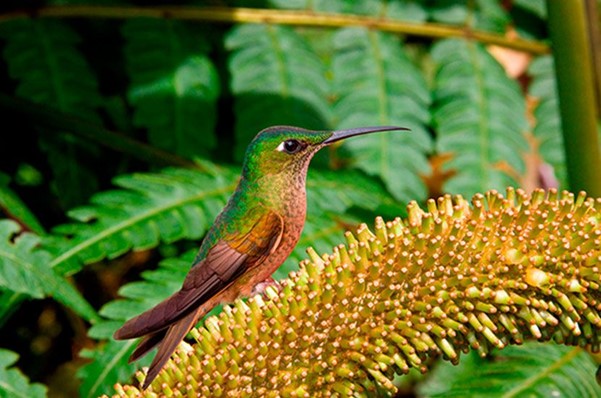
Birdwatching is just one of the many activities you can enjoy in the region. Cali has a warm and inviting climate and a visit to the city offers a great opportunity to get out and explore nature in this most beautiful part of Latin America.
Birdwatchers will be delighted with the more than one hundred registered endemic bird species that flock to Finca Alejandría, a bird paradise set high in a cloud forest one hour west of Cali.
The Finca was started by Raúl Nieto and Elsa Ruíz, who wanted to help recover this delicate ecosystem, in addition to allowing the public to enjoy the wildlife here.
San Felipe Bird Watching is also a fine location for birding.
SALSA
Whether it is the infectious anthems that spill from its cafés or the hypnotic pulse of its clubs, you always hear and feel Cali first. This tropical metropolis has been electrifying dance lovers since Puerto Rican and Cuban musicians arrived via New York in the 1970s.
In Cali, salsa is a way of life. The city has even come to be known as the World Salsa Capital, where the beat gets going in early evening and lasts all night long. Year after year, people come from all over the world to Cali to learn to dance salsa caleña. Cali is home to the best salsa schools in the world, with teachers who are multi-world salsa champions. As a society created by the merging of Indigenous, African, and Spanish traditions, diversity and music form the base of the caleño culture.
Get the backstory on salsa caleña, the wickedly fast dance style born in the city, at the Museo de la Salsa in Obrero, where an all-singing, all-dancing tour explores how salsa rhythms passed from Cuba to Cali.
For an authentic Caleño experience, a festival is a must. Perhaps the most famous of all is the Feria de Cali, a driving force in the city’s economy that celebrates Cali’s culture and all who live there in a six-day festival of music, rhythm, and sport in the last week of December.
The city lives and breathes salsa, you can practice in the dance halls all over the city. La Topa Alondra, Zaperoco, Bailatino, and Siboney clubs are some of the most popular salsa venues in the city, however, the list is long.
Like to create or customize a fantastico package tour of Colombia? Use our Plan My Trip page to start planning your dream Colombian vacation now!